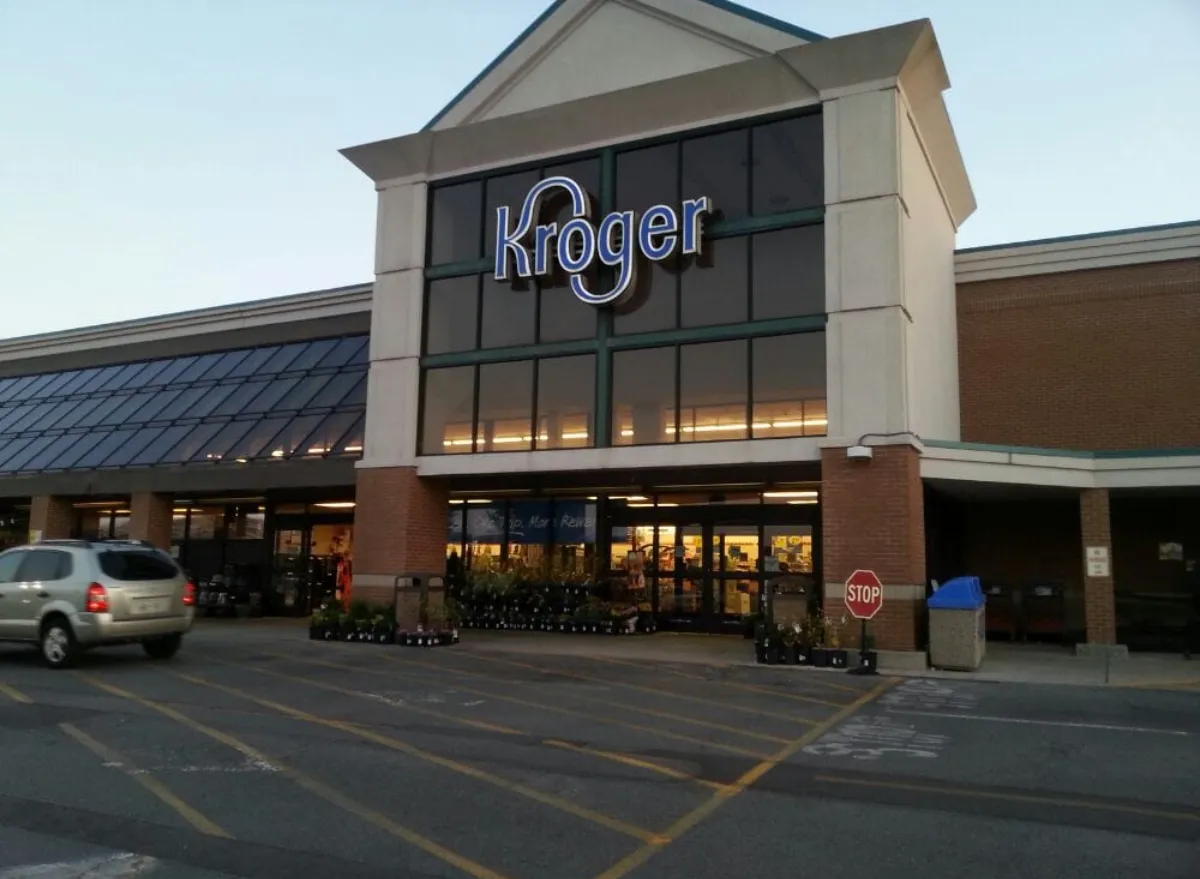
When federal and state courts blocked the massive twenty-five billion dollar supermarket merger between grocery giants The Kroger Co. and Albertsons, it didn't just end a historic corporate consolidation. It triggered a major financial shift centered on corporate cash allocation. With the mega-deal dead, market attention instantly turned toward how these massive retail chains would deploy capital instead, reviving intense discussions around massive share repurchases, shareholder returns, and corporate strategy.
For investors and market analysts, the collapse of the acquisition meant that billions of dollars earmarked for the buyout could now be redirected. Rather than funding store integrations and massive corporate restructuring, capital allocation shifted back toward open-market repurchases. This dynamic reshaped short-term stock valuations and brought corporate cash management practices back under heavy public scrutiny.
Why the Mega-Deal Collapsed Under Antitrust Scrutiny
The proposed tie-up, first announced in October 2022, faced fierce pushback from the Federal Trade Commission (FTC) alongside multiple state attorneys general. Regulators argued that combining the country's top conventional supermarket chains would eliminate vital head-to-head competition, drive up grocery bills for families, and depress labor standards for hundreds of thousands of store workers.
Despite a planned divestiture package involving hundreds of stores sold to C&S Wholesale Grocers, federal judges remained unconvinced that competition would be adequately preserved. Once injunctions halted the transaction, both companies officially terminated the agreement. This legal defeat instantly freed up capital that had been locked in limbo during protracted courtroom battles. More reporting by Bankrate explores comparable views on this issue.
The Shift Toward Capital Return and Share Repurchases
When multi-billion-dollar mergers fail, corporate finance teams face immediate pressure to prove they can deliver value independently. Stripped of the expansion opportunity, Kroger pivoted back to core operational improvements and direct capital returns to shareholders.
- Capital Redistribution: Funds originally reserved for acquiring retail assets and paying transaction fees became available for balance sheet flexibility.
- Share Repurchase Authorization: Management leaned into authorization programs designed to buy back common stock, aiming to boost earnings per share (EPS).
- Competitive Focus: Leadership redirected resources toward digital infrastructure, supply chain automation, and localized price investments to fend off discount rivals.
Share repurchases reduce the total count of outstanding shares, which mathematically increases earnings per share if net income remains steady. For institutional investors, buybacks signal that management believes the equity is undervalued. However, critics often argue that heavy spending on share buybacks diverts capital away from long-term wage increases, store modernization, and lower prices for everyday consumers.
Post-Merger Legal Fallout and Ongoing Litigation
The end of the merger agreement did not close the chapter between the two companies. Long-term fallout expanded far beyond market charts into the Delaware Court of Chancery, where corporate litigation took center stage. Albertsons pursued substantial damages against Kroger, alleging that Kroger failed to take all necessary legal steps to satisfy antitrust regulators and successfully close the transaction.
Legal proceedings revealed intense behind-the-scenes disagreements over regulatory strategy, breakup fees, and executive retention incentives. These court battles highlight the financial risks companies take when entering high-stakes transactions subject to aggressive government oversight. The resulting legal expenses added another layer of cost to an already turbulent corporate episode.
Broader Implications for the Grocery Sector
The fallout from the blocked transaction established a stern precedent for modern antitrust enforcement. Regulatory agencies have shown an increased willingness to challenge vertical and horizontal consolidation in retail and consumer goods markets.
Independent grocers, warehouse clubs, and digital delivery platforms continue to capture market share, forcing traditional chains to adapt without relying on massive mergers. Companies now prioritize organic growth, technological integration, and supply chain efficiency over large-scale acquisitions that attract intense regulatory friction.
Frequently Asked Questions
Why did Kroger and Albertsons terminate their merger agreement?
The companies called off the deal after federal and state courts granted injunctions blocking the transaction, following lawsuits filed by the FTC and multiple state attorneys general who argued the merger would harm competition, raise prices, and hurt workers.
How do stock buybacks affect everyday shoppers?
Share buybacks do not directly impact grocery store shelves or product pricing. They are financial transactions between the company and its equity investors. However, consumer advocates argue that capital spent on buying back stock could alternatively be used to lower food prices or raise employee compensation.
What is the status of the legal disputes between Kroger and Albertsons?
The companies became embroiled in high-stakes litigation in the Delaware Court of Chancery, with Albertsons seeking billions in damages and accusing Kroger of mishandling the regulatory defense, while Kroger defended its legal efforts.
Where can investors track official corporate updates regarding share repurchases?
Investors can review official earnings releases, financial statements, and regulatory filings directly through the U.S. Securities and Exchange Commission or the investor relations portals hosted by The Kroger Co..



