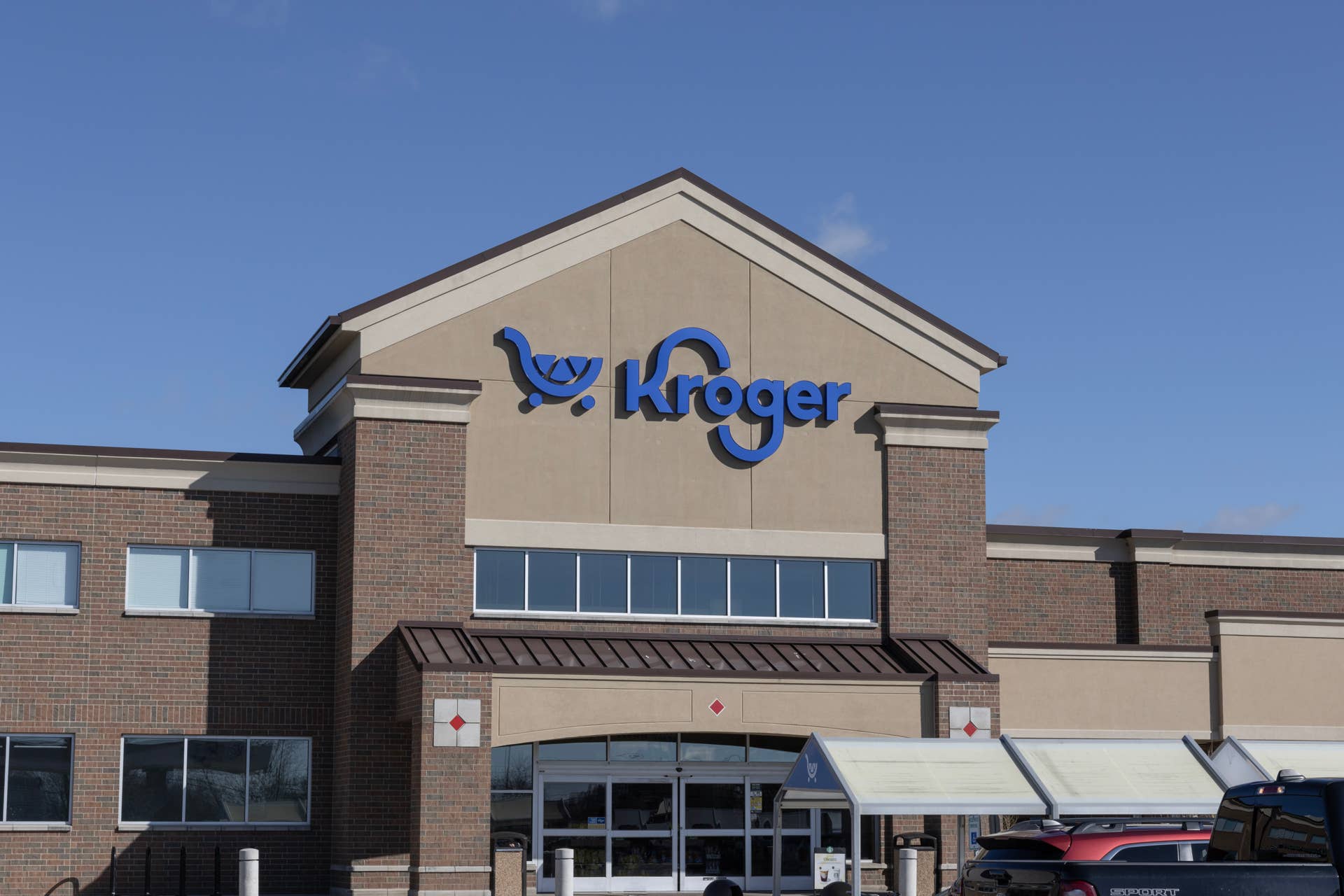
Traditional grocery circulars and weekly print ads are taking a back seat as major supermarkets transform into high-margin media powerhouses. Grocery giants like Kroger are pivoting aggressively toward first-party data monetization, turning everyday checkout lines and digital apps into prime advertising space for consumer packaged goods.
This structural transformation moves billions of marketing dollars away from generic television or social media and drops them directly into retail media networks (RMNs). Brands don't just want passive impressions anymore; they want closed-loop reporting that connects a digital ad view directly to a physical grocery cart purchase.
The Mechanics of Modern Grocery Advertising
Supermarkets sit on a goldmine of consumer behavior data generated through loyalty programs like Kroger Plus cards. When millions of households scan their loyalty apps or cards every week, they build a granular purchase history that traditional tech platforms can't replicate.
Instead of buying a broad banner ad on an independent website, a cereal brand can now target shoppers who regularly buy milk and yogurt, but haven't tried their specific brand of granola. This shift relies on three core pillars:
- First-Party Data Integration: Supermarkets use actual SKU-level purchase data rather than generalized demographic guesses.
- Closed-Loop Attribution: Advertisers can track return on ad spend (ROAS) down to the exact dollar because the media platform and the point of sale belong to the same company.
- Omnichannel Placement: Campaigns stretch from on-site digital display banners to connected TV (CTV) and in-store digital screens.
Why CPG Brands Are Moving Budgets
Consumer packaged goods (CPG) brands face immense pressure to prove efficiency. Cookie deprecation and privacy updates have made traditional digital tracking unreliable, forcing marketers to look for deterministic data sources.
Retail media networks provide a clear solution. Through divisions like Kroger Precision Marketing (KPM), brands access closed-loop analytics showing that targeted digital campaigns frequently drive significant incremental sales lift compared to traditional open-web advertising.
For example, a personal care brand launching a new item can target high-propensity buyers across programmatic channels and verify exact sales bumps in physical aisles. That level of accountability is reshaping annual marketing budgets across the entire sector.
Operational Challenges and Adjustments
Transitioning a legacy grocery chain into an effective media agency isn't simple. Grocers must balance customer experience with monetization, ensuring that digital ads on apps and websites don't overwhelm the core shopping journey.
- Balancing UX and Ads: Apps cluttered with irrelevant promotions frustrate users trying to build a grocery list.
- Data Privacy Compliance: Handling millions of customer purchase histories requires strict adherence to evolving state and federal privacy regulations.
- Internal Restructuring: Legacy merchandising teams must align closely with data science and media sales divisions to package insights effectively.
Grocers that streamline these internal silos capture higher profit margins, offsetting the notoriously thin margins of physical grocery retail.
Frequently Asked Questions
What is a retail media network?
It's an advertising platform operated by a retailer that allows brands to promote products directly to shoppers using the retailer's first-party customer data, both on the retailer's digital properties and across the external web.
Why are grocery stores shifting focus to advertising?
Traditional grocery sales yield razor-thin profit margins. Media networks offer high-margin revenue streams by monetizing loyalty data and consumer traffic.
How do brands measure success on these networks?
Through closed-loop attribution, which matches ad exposure directly with point-of-sale purchase data to calculate exact return on ad spend.
Does this mean paper weekly ads are disappearing?
Paper circulars still serve specific demographic segments, but digital ad placements and personalized app offers receive a rapidly growing share of marketing investments.


: Complete Survey Guide and Rewards](https://www.simpleeverydaymom.com/wp-content/uploads/2023/10/Pilgrim-Photo-Craft-for-Thanksgiving-image-559x1024.jpg)