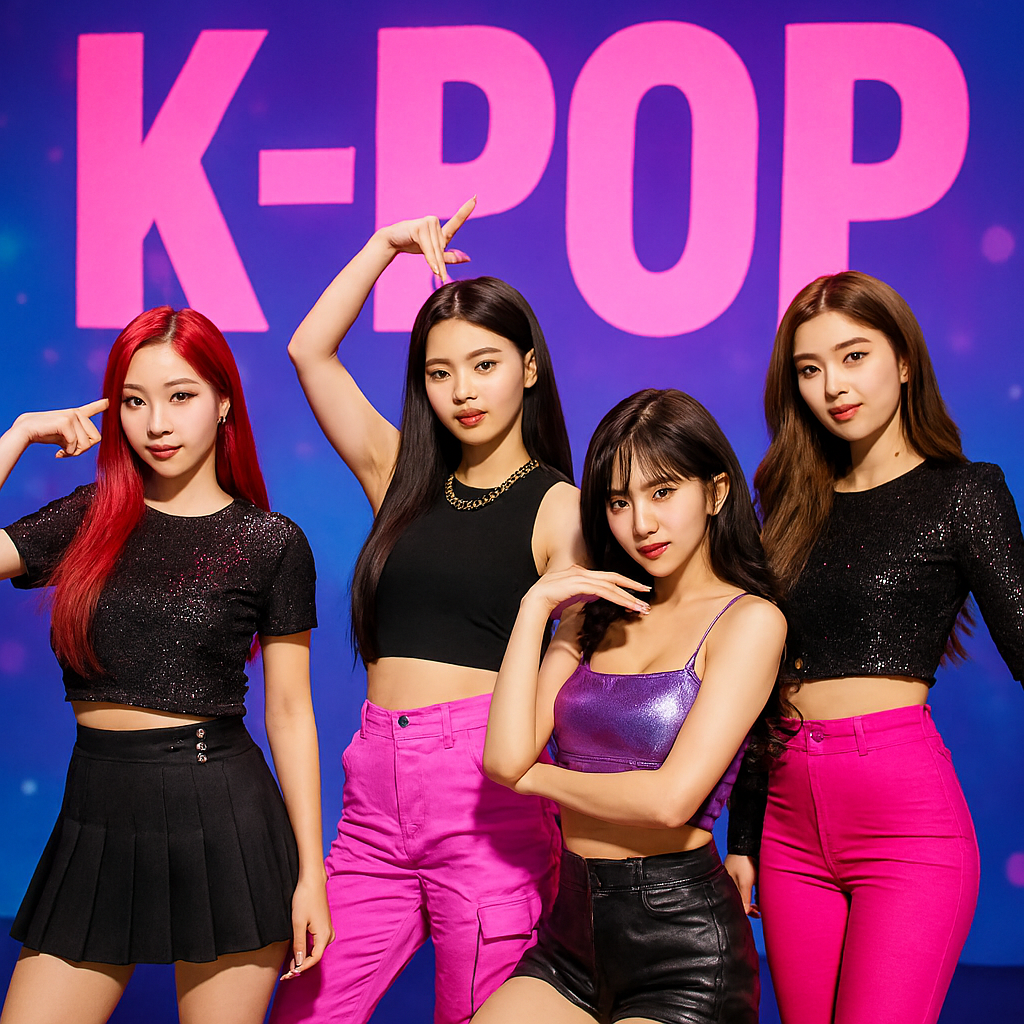
When people look at the global South Korean music scene, they often blur the lines between mainstream idol tracks and underground rap beats. At a glance, both genres feature heavy basslines, rhythmic rhyming, and striking street-style fashion. Yet, they operate under completely different business models, creative freedoms, and cultural standards. Understanding what sets them apart requires looking past the catchy hooks and examining how the music is actually made, marketed, and performed.
Kpop is an industrial, highly synchronized manufactured pop phenomenon governed by strict talent agencies and rigorous trainee systems. Hiphop, by contrast, is rooted in individual self-expression, lyrical autonomy, and counter-culture roots that prioritize raw storytelling over polished choreography. While crossover tracks happen daily, treating them as the same entity ignores the distinct artistic motivations driving each world.
The Production and Trainee Pipeline
The core engine driving Kpop bears little resemblance to the traditional route taken by independent rap artists. Aspiring Kpop performers enter entertainment agencies as young trainees, spending years mastering synchronized dancing, vocal control, foreign languages, and camera presence before ever releasing a single note.
Companies assemble these groups like corporate entities, carefully curating positions such as main vocalist, lead dancer, and visual. Songwriting and production duties are frequently outsourced to global teams of international songwriters hired by the label to engineer a specific sonic identity.
Hiphop operates on an entirely different workflow. Korean hiphop artists, many of whom emerged from underground club scenes or independent labels, write their own rhymes, produce their own beats, and manage their own creative direction. There is no mandatory multi-year training camp or agency board deciding an artist's concept change. Releases drop based on personal inspiration rather than a strict corporate comeback schedule dictated by quarterly revenue goals.
Choreography and Visual Performance
Performance defines the Kpop experience. You can't separate a major Kpop track from its intricate, mathematically mapped choreography. Groups practice for thousands of hours to hit precise geometric formations, ensuring that every camera angle captures flawless synchronization. Music videos serve as high-budget cinematic showcases featuring multiple elaborate set changes, avant-garde styling, and conceptual storytelling arcs.
Hiphop treats movement and visuals differently. While hiphop dancing has a massive footprint in South Korea, actual genre artists rarely perform heavy, synchronized choreography while rapping live. Stage presence in hiphop relies on crowd interaction, mic control, and raw energy rather than formation changes. Music videos emphasize authentic street aesthetics, raw grittiness, and natural environments rather than stylized studio sets.
- Kpop Visuals: High-concept narratives, rapid costume changes, pristine lighting, and synchronized group choreography.
- Hiphop Visuals: Urban settings, documentary-style camera work, collaborative crew shots, and relaxed performance styles.
Lyrical Authenticity and Industry Standards
Lyrical themes highlight a massive divergence between the two spaces. Kpop lyrics often revolve around universal themes of love, self-confidence, empowerment, or whimsical conceptual storylines. Because idols represent corporate brands and appeal to broad, family-friendly demographics, their lyrics face strict self-censorship regarding explicit content, political critique, or social rebellion.
Hiphop thrives on personal narrative, gritty societal commentary, economic struggles, and emotional vulnerability. Artists in the Korean hiphop scene frequently use their platform to critique systemic pressures, industry exploitation, or mental health struggles without corporate filters.
- Kpop Songwriting: Collaborative, company-approved, and focused on catchy hooks and mass global appeal.
- Hiphop Songwriting: Deeply personal, self-penned, and centered on lyrical dexterity and raw storytelling.
Platforms like Billboard regularly document how these two distinct songwriting approaches impact global chart success differently. Major industry shifts are also tracked closely by trade bodies such as the International Federation of the Phonographic Industry to measure cultural economic impact across Asia.
Crossover Culture and Mutual Influence
Despite these structural boundaries, the relationship between the two worlds isn't a strict wall; it's a dynamic bridge. Kpop has borrowed heavily from hiphop since its modern inception in the early 1990s, when foundational acts like Seo Taiji and Boys first fused American rap breaks with Korean vocal melodies.
Many modern Kpop groups feature designated rap lines that inject rhythmic cadences into bubblegum pop structures. Meanwhile, underground hiphop artists occasionally cross over into mainstream television competitions like Show Me The Money, gaining commercial visibility while retaining their indie credentials. Some prominent producers write tracks for both idol groups and underground rappers on the exact same day.
Yet, this crossover often sparks debate among purists. Fans of traditional hiphop frequently question the artistic validity of idol rappers who don't write their own verses, while Kpop fandoms prioritize overall entertainment value, variety show appearances, and global fan community engagement over underground credibility.
Frequently Asked Questions
Do Kpop idols write their own music?
Most Kpop idols rely on professional songwriting camps organized by their agencies, though a growing number of self-producing idols write and compose their own tracks. In contrast, independent hiphop artists write nearly all of their own material.
Is Korean hiphop considered part of Kpop?
Mainstream international media often lumps all South Korean music under the broad umbrella of Kpop, but culturally and industrially, Korean hiphop operates as a separate ecosystem with its own independent labels, venues, and artistic standards.
Why does Kpop feature so much rap if it's pop music?
The inclusion of rap sections dates back to early Korean pop experimentation in the 1990s. Producers use rap verses to add rhythmic variety, dynamic tension, and a modern urban texture to otherwise melodic pop compositions.
Can a Kpop idol be a legitimate hiphop artist?
It depends on the artist. Several performers successfully balance mainstream idol commitments with underground respect by writing authentic underground tracks, collaborating with respected producers, and participating genuinely in hiphop culture.


