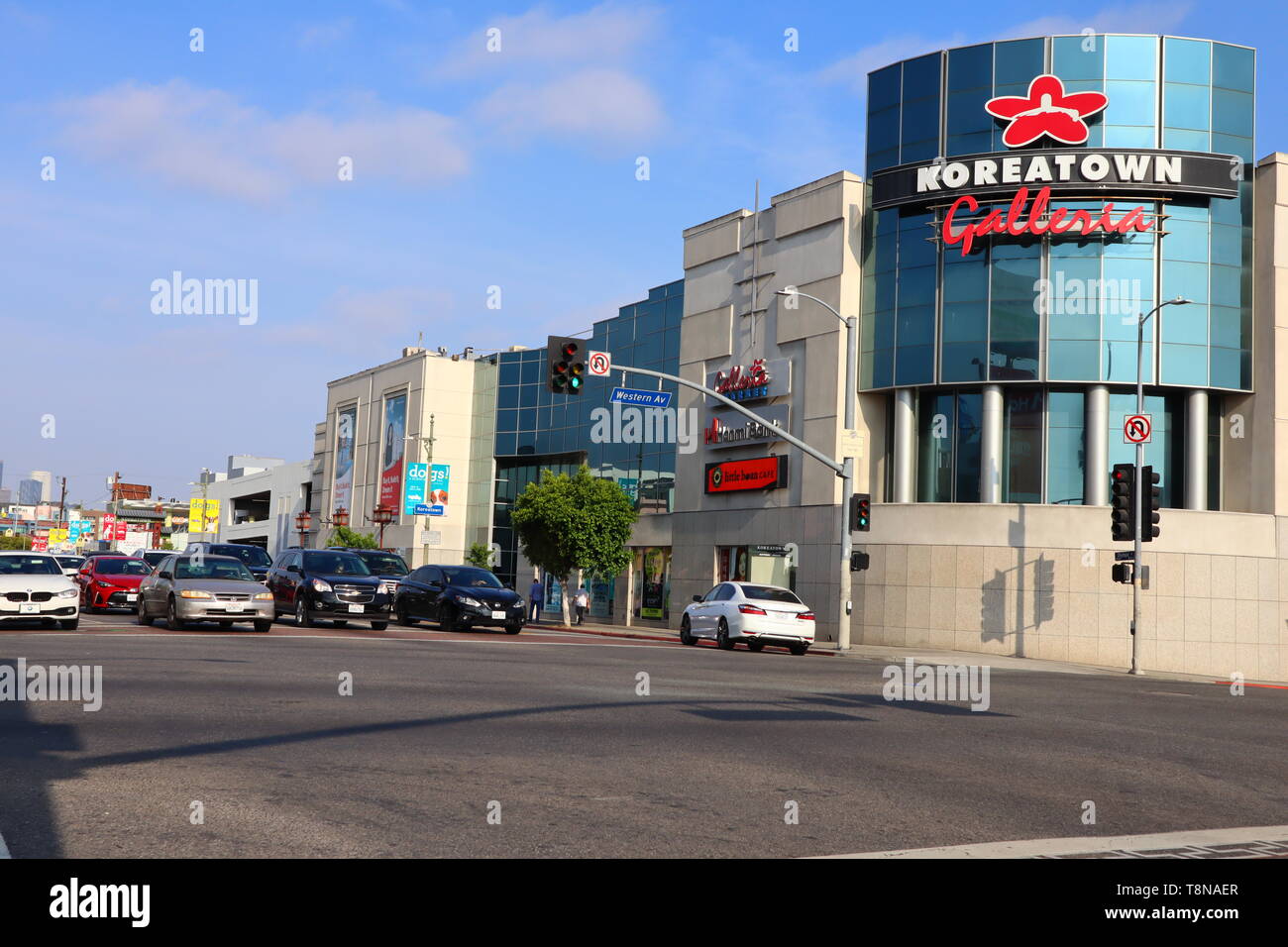
Koreatown spans a compact 2.7-square-mile grid in central Los Angeles, anchored primarily by three core postal codes: 90005, 90006, and 90020. Depending on how municipal borders are drawn by the Los Angeles Times Mapping L.A. project, portions of 90004 and 90010 also overlap with the neighborhood's outer edges.
If you're trying to pin down mail delivery routes, parse real estate listings, or map out a food crawl in this dense urban center, understanding these specific postal boundaries matters. Each code carries distinct characteristics regarding residential density, commercial hubs, and architectural styles. Let's break down exactly where these numbers map on the ground and what you'll find inside each zone.
Mapping the Core Koreatown Postal Zones
Navigating Los Angeles postal geography can feel confusing because neighborhood boundaries rarely match neat municipal lines. Koreatown is no exception, sitting smack in the middle of the Wilshire area.
The Primary Three: 90005, 90006, and 90020
These three codes form the heartbeat of the community. According to data from the Los Angeles Almanac, over 80,000 residents pack into these tight blocks, making it one of the most densely populated neighborhoods west of New York City.
- 90005: This code covers the central slice of the neighborhood, running roughly from Wilshire Boulevard down toward Olympic Boulevard, bordered by Western Avenue on the west and Hoover Street on the east. It's packed with high-rise apartment complexes, bustling strip malls, and countless barbecue spots.
- 90006: Stretching across the southern portion of the district, this code dips below Olympic Boulevard toward Pico Boulevard. It features a mix of older multi-family residential complexes, vibrant commercial storefronts, and deep historic roots tied to the changing demographics of central LA.
- 90020: Positioned at the northern end of the neighborhood, 9000020 pushes up toward Third Street and Beverly Boulevard. This zone transitions slightly into quieter residential pockets with historic single-family homes, duplexes, and mid-century apartment buildings.
Overlapping Codes: 90004 and 90010
You'll often see these two codes included in real estate searches for the area.
- 90010: A tiny, highly concentrated pocket primarily covering the mid-rise commercial corridor along Wilshire Boulevard, including parts of the Wilshire Center.
- 90004: While largely representing Larchmont and Hancock Park, its southern tip dips into the northwestern boundary of Koreatown near Western and Beverly.
Real Estate and Housing Stock by Zone
Housing options vary significantly depending on which block you're targeting. You won't find sprawling suburban yards here; instead, you're looking at vertical living and historic density.
If you're hunting for apartments in 90005, expect 1920s Art Deco courtyard buildings sitting right next to modern glass high-rises built within the last decade. Parking is notoriously tight in this zone, so check whether your unit comes with a designated subterranean spot.
Moving down into 90006, the architecture shifts toward smaller apartment complexes, converted craftsman duplexes, and older multi-family units. Rents can be slightly more forgiving here compared to the high-rise luxury towers popping up along Wilshire Boulevard in 90010.
Navigating Local Transit and Commuting
Living across these postal codes offers distinct transit advantages, provided you plan around LA's infamous traffic. The district is served heavily by the Los Angeles County Metropolitan Transportation Authority, making it one of the few transit-dense areas in the city.
- The Purple Line (D Line): Stations like Wilshire/Normandie and Wilshire/Western cut straight through 90005 and 90010, offering direct access to Downtown LA and Mid-City.
- Bus Routes: Major thoroughfares like Wilshire, Olympic, Pico, and Western feature rapid bus lines that run late into the night.
If you commute via car, keep in mind that street parking enforcement is aggressive across all Koreatown zones. Permit parking districts are common on residential side streets, so don't assume an open curb is safe to leave your car overnight.
Common Mistakes When Using Koreatown Postal Codes
People unfamiliar with central Los Angeles often make a few predictable errors when dealing with these addresses.
- Assuming zip codes equal neighborhood boundaries: Postal carriers organize mail by routes, not cultural lines. A single building might share a street name with a Koreatown establishment but fall under a different postal designation.
- Underestimating parking restrictions: Moving trucks face severe hurdles in 90005 and 90006 due to narrow alleys and dense street parking. Always secure temporary permits ahead of a move.
- Confusing mailing cities: Many online forms auto-fill "Los Angeles", but local residents frequently refer to specific sub-neighborhoods like Wilshire Center or Windsor Square when handling formal paperwork. Stick to "Los Angeles, CA" along with the correct five-digit code to avoid mail routing delays.
Frequently Asked Questions
How many zip codes officially cover Koreatown?
Three primary postal codes completely cover the core of the neighborhood: 90005, 90006, and 90020. Two additional codes (90004 and 90010) overlap the borders.
Which Koreatown zone has the most restaurants and nightlife?
The highest concentration of restaurants, bars, and 24-hour businesses sits within 90005, particularly along the Wilshire Boulevard and 6th Street corridors.
Is parking difficult across all Koreatown zip codes?
Yes. High residential density combined with limited off-street parking makes parking challenging throughout 90005, 90006, and 90020. Always verify parking availability before signing a long-term lease.
Are these postal codes considered walkable?
Parts of Koreatown rank among the most walkable neighborhoods in Los Angeles. Daily errands, grocery shopping, and dining can easily be handled on foot if you live near the central commercial strips.


