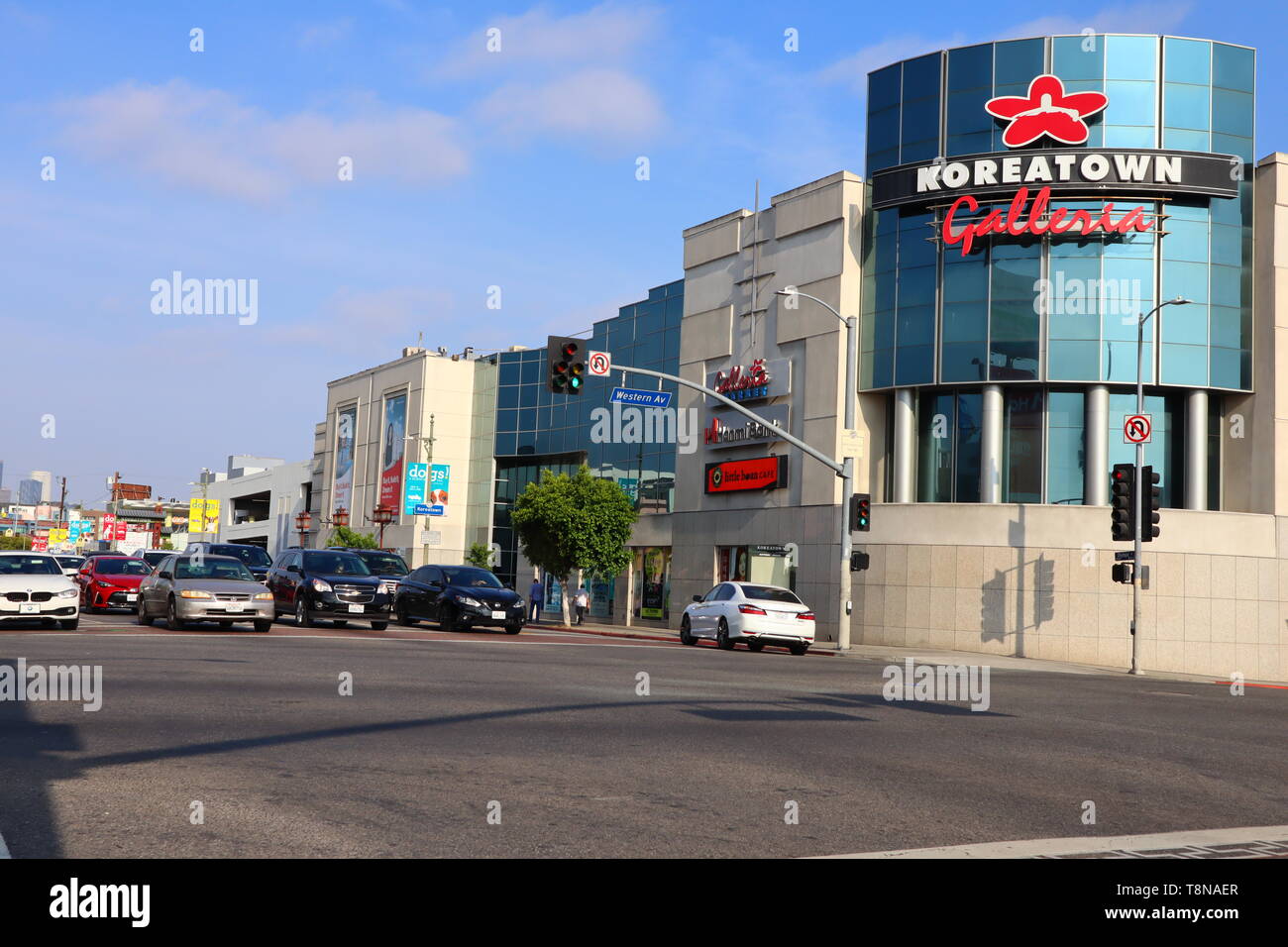
Navigating the exact postal zones of Koreatown requires clarity because municipal borders and postal routes don't always align cleanly. Koreatown spans across several core postal zones in central Los Angeles, primarily sitting within 90005, 90006, 90010, and parts of 90020. If you're trying to send mail, register a business, or locate a specific commercial hub in this dense urban center, understanding these code boundaries is essential.
The neighborhood covers roughly three square miles packed with high-rise apartments, late-night dining establishments, and historic commercial blocks. Knowing how mail delivery routes map onto street corners helps locals and visitors cut through confusion.
Core Zip Codes of Koreatown
Postal boundaries in Los Angeles are determined by the United States Postal Service (USPS) to streamline mail distribution rather than to mirror cultural neighborhood lines. Because of this, postal designations stretch across overlapping sectors.
- 90005: Covers a massive chunk of the central commercial corridor, stretching north-south from around 3rd Street down to Olympic Boulevard, bordered roughly by Western Avenue and Hoover Street.
- 90006: Captures the southern portion of the district, extending below Olympic Boulevard down toward Pico Boulevard and sharing close proximity with the Pico-Union area.
- 90010: A compact zone covering parts of Wilshire Center and the northern blocks near 6th Street and Serrano Avenue, famous for dense commercial and residential high-rises.
- 90020: Touches the northern edge near 3rd Street and sections adjacent to Hancock Park and Windsor Square, encompassing quieter residential pockets alongside bustling commercial plazas.
For official postal details, you can verify specific addresses directly through the USPS Location Finder.
Neighborhood Boundaries and Geography
Official city markers and resident perceptions often clash when defining where Koreatown starts and stops. According to the Los Angeles Times Mapping LA project, the district is generally bounded by Beverly Boulevard to the north, Olympic Boulevard or Pico Boulevard depending on civic definitions to the south, Western Avenue to the west, and Vermont Avenue or Hoover Street to the east.
Street layout plays a major role in how people navigate these blocks. Wilshire Boulevard acts as the major east-west artery slicing straight through the heart of the district. Major north-south thoroughfares like Western Avenue, Vermont Avenue, and Normandie Avenue divide distinct commercial clusters.
Business Environment and Commercial Hubs
Koreatown operates as one of the most economically active commercial districts in Los Angeles. Retail plazas, 24-hour restaurants, and medical offices line the main boulevards.
Business registration within these postal zones requires compliance with City of Los Angeles municipal codes and Los Angeles County tax guidelines. Entrepreneurs setting up shop here must verify whether their exact storefront falls under city jurisdiction or specific commercial zoning overlays. You can check municipal resources via the City of Los Angeles Official Website for business licensing requirements.
Navigating the local economy also means understanding parking and transit logistics. The area features heavy foot traffic and dense street parking restrictions. Many commercial plazas utilize validated parking structures, which are vital given the limited availability of curb spaces along 6th Street and Wilshire Boulevard.
Identity, Culture, and Community Growth
The cultural fabric of the district has evolved dramatically over decades. While roots run deep with Korean immigration beginning heavily in the mid-20th century, today's demographic makeup is wonderfully diverse, blending Latino, Asian, and Caucasian residents into a vibrant urban ecosystem.
Residential life leans heavily toward renting, with multi-family apartment buildings dominating the landscape alongside historic 1920s structures and modern mixed-use developments. This density creates a walkable urban environment that stands out in a notoriously car-dependent city, though traffic congestion remains a constant daily factor for drivers.
Frequently Asked Questions
Which zip code covers the central commercial strip of Koreatown?
Most of the central business and dining district along 6th Street falls under postal code 90005, though parts spill over into 90010 and 90020.
Are the neighborhood boundaries the same as the postal boundaries?
No. USPS postal codes are engineered for mail sorting and carrier efficiency, meaning they frequently cross municipal neighborhood boundaries into neighboring areas like Wilshire Center and Pico-Union.
Is parking difficult to find in these postal zones?
Yes. Due to high population density and narrow residential streets, street parking can be scarce. Utilizing commercial parking structures or public transit options like the Metro Purple (D) Line is often much easier.
How do I verify an exact address's correct postal code?
Always check the official USPS Look Up a ZIP Code tool to ensure mail and package deliveries route accurately without delays.



