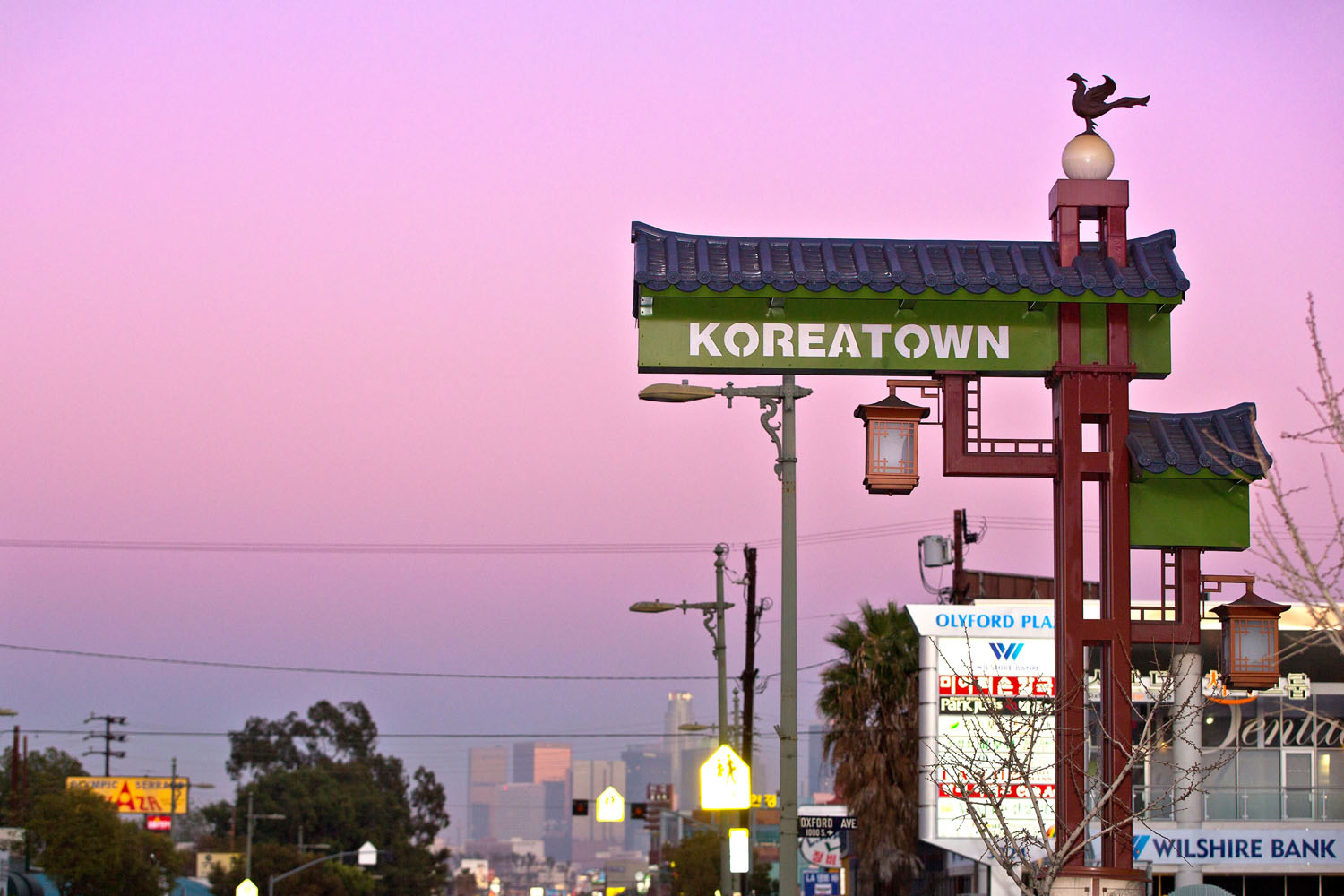
Koreatown spans three primary postal districts in central Los Angeles: 90005, 90006, and 90020, with overlapping boundaries touching 90004 and 90010. Spanning roughly 2.7 square miles, this dense urban hub packs hundreds of restaurants, late-night bars, and historic residential blocks into a vibrant grid. If you're planning a visit or trying to understand local postal borders, knowing which zip code covers which pocket prevents frustrating detours.
Navigating this dense district requires understanding its layout. Let's break down the exact postal zones, boundary lines, parking realities, and top spots across K-Town.
Koreatown LA Zip Codes and Boundaries
The neighborhood doesn't follow a simple square shape, and postal lines overlap with adjacent districts like Wilshire Center and Pico-Union. Here is how the core zip codes break down:
- 90005: Covers the central commercial spine along Wilshire Boulevard and 6th Street, stretching between Vermont Avenue and Western Avenue. This is the heart of the district, featuring high-rise offices, apartment complexes, and high-density plazas.
- 90006: Covers the southern portion of the neighborhood, running south of Olympic Boulevard toward Pico Boulevard. It mixes residential multi-family housing with bustling commercial corridors and local markets.
- 90020: Encompasses the northern residential sections extending toward 3rd Street and Beverly Boulevard, bordering Hancock Park and Larchmont. It's known for older apartment buildings, historic homes, and quieter tree-lined streets.
- 90010 & 90004: These adjacent codes cover small overlapping slivers along the northern and western flanks, tying K-Town into Windsor Square and the Wilshire Center commercial district.
Official city markers set the boundaries roughly as Third Street to the north, Olympic Boulevard to the south, Vermont Avenue to the east, and Western Avenue to the west, though cultural boundaries spill well beyond these edges.
Getting Around and Parking Realities
You can't talk about exploring K-Town without addressing parking. It's notoriously tight, dense, and competitive.
If you're driving, underground plaza parking structures (like Madang or City Center) offer validation with a purchase, but lots fill up fast on Friday and Saturday nights. Street parking requires reading signs carefully. Red zones, street sweeping windows, and preferential parking districts for residents are heavily enforced by the Los Angeles Department of Transportation.
Fortunately, K-Town is one of the most transit-accessible neighborhoods in Los Angeles. The Metro Purple Line (D Line) features heavy-rail stations right along Wilshire Boulevard at Normandie Avenue and Western Avenue, connecting you directly to Downtown LA or Mid-Wilshire without touching a steering wheel. Local DASH and Metro bus lines blanket the grid, making public transit a viable alternative for bar-hopping or food crawls.
Eating and Drinking Across the Grid
K-Town operates on a 24-hour rhythm. Whether you're hunting for traditional Korean BBQ, modern fusion gastropubs, or late-night bakeries, the options are endless.
- The Plaza Scene: Multi-level strip malls define the local architecture. Plazas like Madang on 6th and Chapman Plaza on 6th Street house clothing boutiques, bookstores, cafes, and restaurants stacked vertically.
- BBQ Traditions: Spots along 6th Street and Olympic Boulevard serve everything from classic charcoal galbi to modern dry-aged beef. Expect lines during peak dinner hours, especially on weekends.
- Cafes and Bakeries: French-Asian bakeries serving matcha pastries, sweet red bean bread, and honey butter lattes stay open late into the evening.
Common Mistakes to Avoid
Visitors often stumble into a few predictable traps when exploring the area. Keep these practical tips in mind to save time and money:
- Underestimating traffic and distance: Walking across the entire neighborhood takes over 45 minutes. Don't plan dinner at Western and a late-night activity at Vermont without factoring in transit time or rideshare costs.
- Ignoring valet requirements: Many restaurants and plazas rely strictly on valet parking. Keep cash on hand for tips, and check if validation applies to your specific lot.
- Visiting during rush hour without a plan: Wilshire Boulevard crawls between 4:00 PM and 7:00 PM on weekdays. Use the Metro D Line if you're commuting across town during peak hours.
Frequently Asked Questions
What are the main zip codes for Koreatown LA?
The core neighborhood is primarily served by zip codes 90005, 90006, and 90020, with minor overlaps into 90010 and 90004.
Is Koreatown walkable for tourists?
Yes. The central commercial stretches along Wilshire Boulevard, 6th Street, and 4th Street are dense and pedestrian-friendly. Sidewalks are active day and night, though comfortable walking shoes are a must.
Can I visit Koreatown using public transit?
Absolutely. The Los Angeles County Metropolitan Transportation Authority operates the Metro D Line (Purple Line) subway with stops directly inside the neighborhood at Wilshire/Normandie and Wilshire/Western, alongside multiple frequent bus routes.
Where is the best place to park in K-Town?
Utilize dedicated commercial structure parking inside major plazas like City Center on 6th or Madang Plaza. Street parking is free in some residential pockets, but always check posted signs for street sweeping restrictions.


