Mastering Korean polite speech starts with understanding how sentences end. When you're speaking to strangers, coworkers, or elders in casual professional settings, you'll rely heavily on standard polite language. Getting these endings right ensures you sound respectful without being overly formal.
The standard Korean polite ending centers around adding specific particles to verb and adjective stems. Unlike conversational informal speech or rigid formal speech used in broadcasting or military contexts, polite speech creates a warm, approachable atmosphere. It's the default mode for everyday interactions in Seoul and beyond, from ordering coffee to asking for directions.
Understanding Speech Levels in Korean
Korean grammar organizes social relationships through speech levels. Choosing the right ending depends on age, social status, and how well you know the person.
The three primary speech levels shape daily interactions:
- Formal polite: Used in news broadcasts, corporate boardrooms, and formal announcements. It carries a high degree of distance and respect.
- Standard polite: Used in everyday interactions with people you aren't close to, older acquaintances, or service workers. This strikes a balance between respect and warmth.
- Casual speech: Used with close friends, younger people, or family members. Using this with a stranger is considered rude.
Moving between these levels requires attention to social cues. Sticking to the standard polite ending keeps your conversations safe and respectful while you build fluency.
How to Form the Standard Polite Ending
Building a standard polite sentence requires taking a verb or adjective stem and applying the correct ending rule based on the final vowel of that stem.
The Yo Particle Foundation
The core marker of standard polite speech is the particle yo attached to the end of a verb or adjective. This particle softens the statement and signals respect to your listener. Without it, your sentence drops into the casual tier, which can sound abrupt or disrespectful.
Vowel Harmony Rules
The way you attach polite endings depends on the vowel sound at the end of the verb stem.
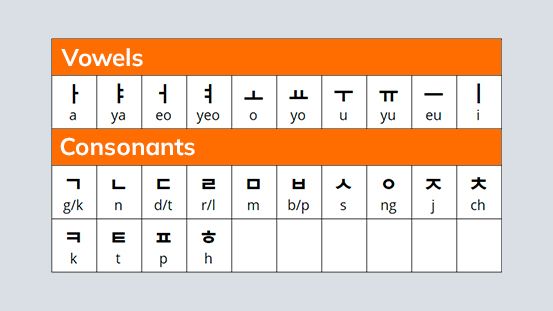
- Bright vowels (A and O): When a verb stem ends in an a or o vowel, you add the connector a followed by yo. For example, the verb gada (to go) drops its dictionary ending to become gayo.
- Dark vowels (Other vowels likeeo, u, i): When a verb stem ends in darker vowels, you add eo followed by yo. For example, the verb meokda (to eat) transforms into mogeoyo.
- Hada verbs: Verbs ending in hada (to do) follow a simple rule where hada shifts directly to haeyo. For instance, gongbuhada (to study) becomes gongbuhaeyo.
The Past Tense Polite Form
Talking about what you did yesterday requires shifting the polite ending into the past tense. You insert a past-tense marker before adding the final polite particle.
The process builds directly on the standard polite rules:
- Take the standard polite form of the verb.
- Add the past tense infix based on the vowel rules.
- Attach yo at the very end.
For example, gayo (to go) becomes gasseoyo (went), and mogeoyo (to eat) becomes mogeosseoyo (ate). This maintains your polite tone while clearly shifting the timeline of your actions.
Common Mistakes to Avoid
Learners often stumble over specific edge cases when applying polite endings. Recognizing these traps helps you speak more naturally.
- Dropping the yo: Forgetting the final yo turns a polite sentence into an informal one instantly. Always check that your sentences end with the softening particle when speaking publicly.
- Overusing honorifics: Adding polite endings is necessary, but layering unnecessary honorific prefixes on your own actions can sound awkward. Keep the focus on the listener's status rather than your own.
- Ignoring irregular verbs: Many common Korean verbs don't follow standard vowel harmony rules. Verbs ending in eup or reul undergo specific stem changes that require memorization rather than strict rule application.
Frequently Asked Questions
What is the difference between polite and formal Korean?
Polite Korean uses standard polite endings suitable for everyday interactions with acquaintances, colleagues, and service staff. Formal Korean employs higher-level honorifics and strict suffixes typically reserved for news broadcasts, military settings, or official corporate presentations.
Can I use polite endings with my close friends?
Using polite endings with close friends creates unnecessary social distance. Friends typically use casual speech with one another. However, if you want to show polite respect or maintain boundaries, sticking to polite endings is acceptable.
How do I make a polite sentence negative?
You can make a polite sentence negative by placing an before the verb or by using the negative auxiliary ending ji-anh-ayo. For example, saying you don't eat meat involves using an mogeoyo.
Are polite endings required in customer service?
Yes. Service workers in South Korea almost exclusively use standard polite and formal speech when interacting with customers to maintain professional courtesy.



