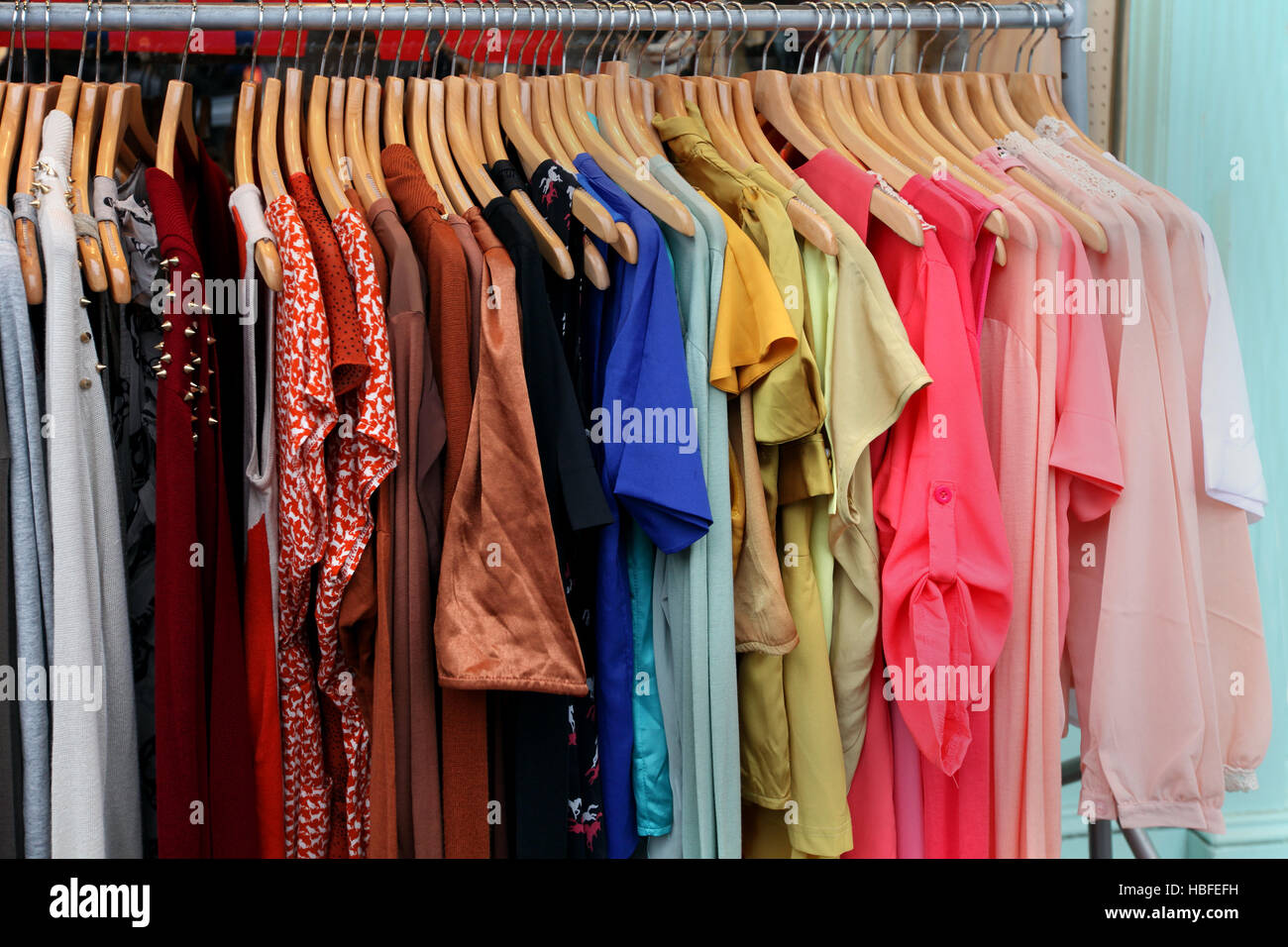
Donating unwanted clothes in South Korea doesn't have to mean dumping items into an anonymous green street bin and hoping for the best. With over 700,000 tons of textile waste generated nationwide each year, knowing where your garments actually go—and how to prepare them correctly—matters more than ever.
Whether you're clearing out your wardrobe ahead of a seasonal move or trying to live more sustainably in Seoul, Busan, or a regional city, navigating local donation channels requires understanding municipal rules, charity drop-offs, and commercial recycling schemes.
Where to Donate Clothes in South Korea
South Korea operates a multi-layered system for textile collection. Choosing the right channel depends on the condition of your garments and whether you want them reused directly or recycled into raw materials.
Municipal Clothing Bins (Uiryu Sugeamh𝕨)
Bright orange or green clothing donation boxes (uiryu sugeamh𝕨) are fixtures on neighborhood streets and apartment complex (danji) grounds across the country.
- What they accept: Clean, wearable everyday clothing, shoes, and bags bundled securely.
- How they work: Private recycling companies or local district offices (gu-cheong) empty these bins regularly. Usable items are exported to developing nations or sold in domestic second-hand markets, while unwearable textiles are shredded for industrial rags or insulation.
- The catch: These are run by private operators rather than official charities. They handle volume over individual dignity, so items are rarely routed directly to local shelters.
Official Charities and Welfare Centers
If you want your clothes to go directly to low-income families, unhoused individuals, or emergency shelter residents, use established non-profit organizations.
- The Beautiful Store (Areumdaun Gage): One of Korea's most trusted thrift networks. You can drop off clean clothes, books, and housewares at any of their storefronts nationwide. They sell them to fund social welfare projects.
- Good Neighbors & Salvation Army: These organizations frequently run seasonal clothing drives and accept direct drop-offs or scheduled home pickups for large donations of quality winter wear.
- Goodwill Korea: Operates stores where donated items create jobs for people with disabilities while providing affordable clothing to local communities.
Retail Take-Back and Brand Kiosks
Major fashion retailers in Korea offer convenient recycling incentives, often rewarding you with discount coupons for bringing in old garments.
- H&M and Zara: Most flagship stores in major Korean cities feature garment collection boxes. You can drop off textiles of any brand or condition—even torn or stained items—which are then channeled into textile recycling streams.
- Outdoor Brands: Premium outdoor labels operating in Korea occasionally run winter coat collection drives for local unhoused shelters.
How to Prepare Your Clothes for Korean Donation Systems
Korean donation etiquette prioritizes cleanliness, respect, and usability. Dumping ruined garments into public bins creates sorting bottlenecks and shifts waste management costs onto charities.
- Wash and dry everything thoroughly: Never donate unwashed clothes or items stored in damp basements that carry a musty odor (nup-nae).
- Check for wear and tear: Toss items with permanent stains, broken zippers, or torn seams into designated general textile recycling bags instead of charity bins.
- Bundle pairs together: Tie shoes together by their laces or place them in a small clear bag so they don't get separated during sorting.
- Pack in clear bags: When using apartment bins or drop-off centers, pack your garments in transparent plastic bags so collectors can easily assess the contents.
Seasonal Considerations in Korea's Donation Culture
Timing your donations maximizes their usefulness, particularly given South Korea's extreme seasonal shifts between freezing winters and humid summers.
- Winter gear timing: Donate heavy coats, padded jackets (padding), and thermal layers in early autumn (September to October) so charities can distribute them before the first sub-zero snap hits in December.
- Summer clothing: Drop off lightweight cottons, linen shirts, and sun protection layers in late spring.
- School uniforms: Many local community centers (jumin-center) run dedicated second-hand uniform exchange programs every February before the new school term begins, helping families save money on pricey middle and high school attire.
Frequently Asked Questions
Can I get a tax receipt for clothing donations in Korea?
Major non-profit organizations like The Beautiful Store or Goodwill can issue year-end tax deduction receipts (yeongsu-jeung) if you register your donation through their system or member portal before handing over the items. Private street bins do not offer tax receipts.
What happens to clothes that cannot be worn?
Textiles that are stained, torn, or outdated are shredded down for industrial use, turned into carpet underlay, or processed into fuel pellets. Dropping them into designated textile recycling bags helps divert them from general landfill waste.
Are home pickup services available for large donations?
Yes. Organizations like Goodwill Korea and The Beautiful Store offer free home pickup services for large volumes of items (usually requiring a minimum of three boxes or a substantial bag count), which you can book via their websites or customer service lines.
Can I donate underwear or socks?
No. For hygiene reasons, almost all Korean charities, thrift stores, and municipal bins strictly reject used undergarments, socks, and swimwear. These items must be discarded in standard general waste bags.



