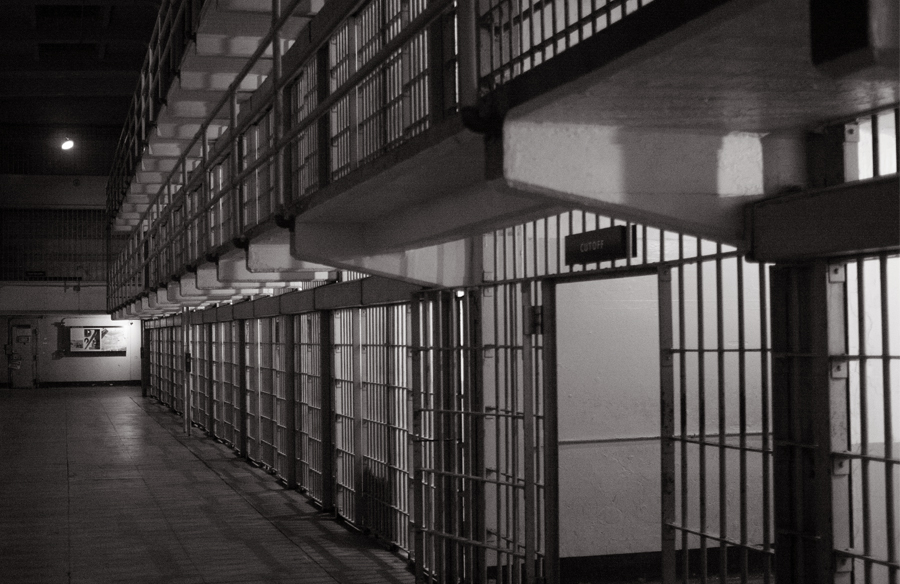
Analyzing a local correctional facility like the Koochiching County Jail offers a clear window into the mechanics of rural American criminal justice. Daily jail rosters are more than simple administrative lists; they reflect local enforcement priorities, economic realities, and the systemic pressures facing small-town detention centers. Understanding how these rosters function helps decode broader conversations surrounding institutional caseloads and community resources.
Examining public jail records reveals patterns in local bookings, including recurring charges like driving while impaired, probation violations, and substance-related offenses. By looking closely at how rural facilities operate, observers can better understand the intersection of policy, law enforcement, and human experience outside major metropolitan centers.
Structure of Rural Jail Rosters
Jail rosters serve as public ledgers documenting individuals currently held within a specific county facility. In smaller jurisdictions like Koochiching County, located along the Minnesota-Canada border, the daily census is typically modest compared to urban centers, often fluctuating between ten and twenty inmates at any given time.
A standard roster entry contains specific administrative markers designed to track individuals through the initial stages of the justice system:
- Full Legal Name and Age: Identifies the detained individual.
- Booking Date and Time: Marks the exact timestamp of intake.
- Arresting Agency: Notes whether the collar was made by the county sheriff, local police, or regional authorities.
- Specific Charges: Details statutory violations, ranging from traffic infractions to felony narcotics offenses.
- Bail or Bond Amounts: Outlines financial conditions set for pretrial release.
Transparency mandates require these rosters to remain accessible to the public under state data practices, balancing community oversight with individual privacy rights.
Systemic Pressures on Small County Facilities
Operating a detention facility in a geographically expansive, low-population county presents distinct logistical challenges. Rural jails must maintain 24-hour staffing, medical readiness, and legal compliance regardless of their fluctuating inmate counts.
Fixed overhead costs remain high even when the daily census drops. Medical care, mental health evaluations, and secure transport to distant courtrooms strain county budgets. When regional treatment facilities or state prisons experience backlogs, local county jails often hold individuals for longer periods, stretching both physical space and staff resources.
Economic constraints also influence local policing and sentencing patterns. Rural communities must weigh the costs of incarceration against alternative intervention programs. Funding limitations mean that specialized diversion programs, such as mental health courts or localized substance abuse treatment, are harder to establish and maintain compared to well-funded urban jurisdictions.
Common Offense Patterns in Regional Bookings
Reviewing historical snapshots of the Koochiching County Jail roster highlights recurring types of offenses typical of northern rural counties. Traffic violations, including driving after license revocation and driving while impaired (DWI), frequently appear on intake logs.
Substance-related charges also make up a significant portion of rural bookings. Possession of controlled substances and probation violations consistently populate jail ledgers. Probation violations often signal a breakdown in community supervision resources, where individuals struggling with addiction or employment fail to meet strict administrative conditions, landing back in custody rather than receiving therapeutic support.
Understanding these patterns shifts the focus from individual infractions to systemic drivers. When minor infractions compound due to a lack of local support structures, the revolving door of short-term detention spins faster.
Community Impact and Socioeconomic Realities
The presence of a county jail shapes the local social fabric in quiet ways. Families navigating the pretrial process face financial burdens through bond requirements, phone service fees, and travel costs to visit incarcerated relatives.
Employment dynamics also shift. Corrections work represents a stable source of public employment in rural areas where private-sector jobs can be scarce. At the same time, high turnover rates among correctional staff highlight the demanding nature of jail environments.
Public data accessibility allows community members, researchers, and policymakers to examine these dynamics firsthand. Official resources like the Koochiching County Official Website provide direct links to local government services, public safety updates, and statutory compliance reports. Furthermore, broader state-level oversight is documented through resources provided by the Minnesota Department of Corrections, which establishes standards for correctional facilities across the state.
Frequently Asked Questions
How often is the Koochiching County Jail roster updated?
Jail rosters are generally updated daily by administrative staff to reflect new bookings, releases, and transfers. However, exact update schedules can vary over weekends and holidays.
Where can someone find official inmate lookup tools for Minnesota?
Official inmate tracking and facility information can be accessed through county sheriff office portals or statewide resources like the Minnesota Association of County Officers, which links to local government offices.
What happens if an inmate cannot afford bail?
If an individual cannot meet financial release conditions set by the court, they remain in the facility awaiting trial, a plea resolution, or a scheduled court appearance. Public defenders are assigned to qualifying defendants during initial court hearings.
Are mugshots always included on county jail rosters?
Inclusion of booking photographs depends on county policy, state public data laws, and privacy considerations. Many jurisdictions publish mugshots alongside charges, while others restrict images to protect unconvicted individuals or comply with updated legislative guidelines.


