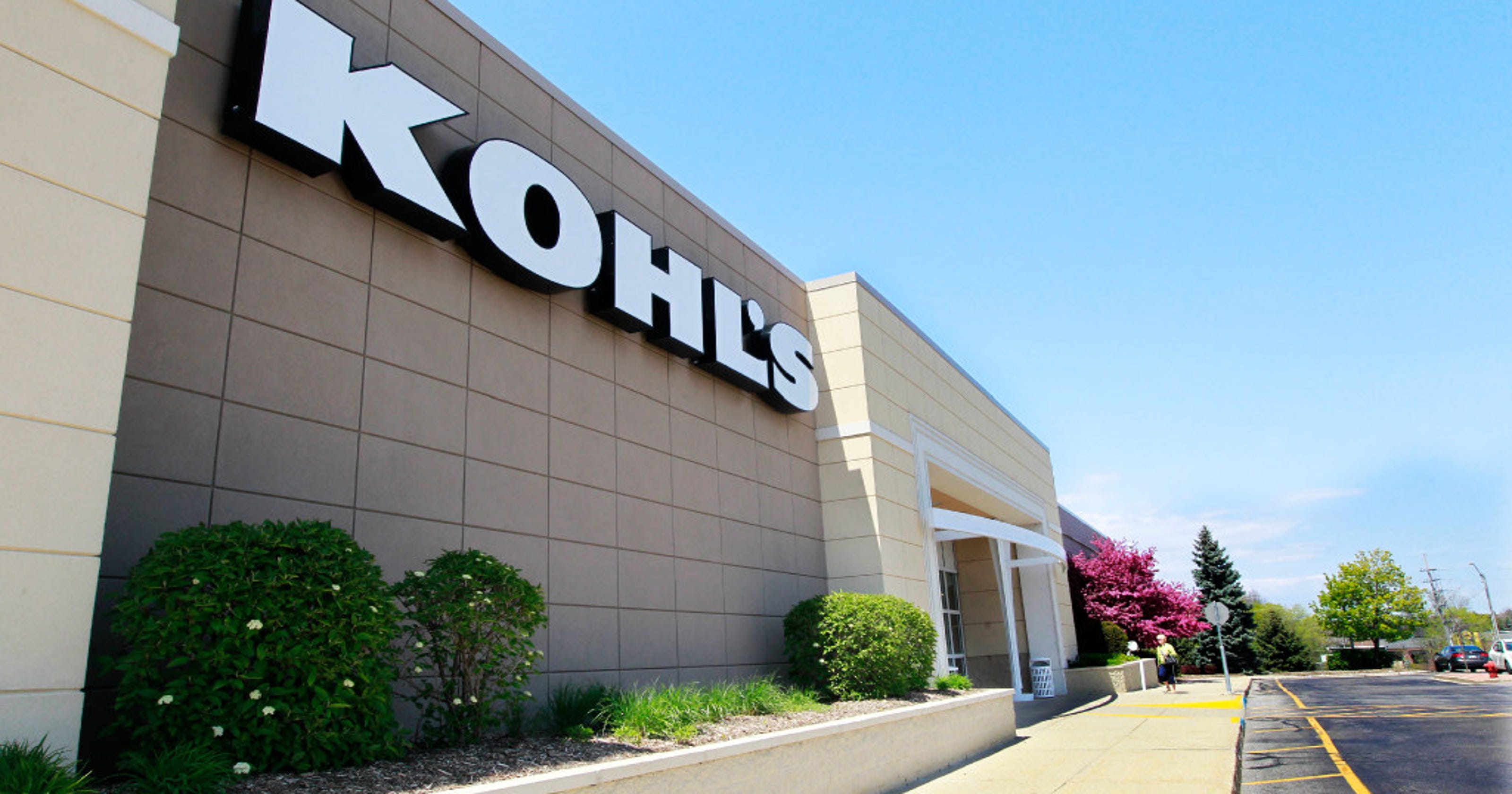
Store closures don't happen in a vacuum. When Kohl's decided to pull the plug on 27 underperforming locations and slash 10% of its corporate workforce, it signaled a deeper reckoning for mid-tier department stores. The narrative wasn't just about cutting dead weight; it was a desperate pivot to fix declining foot traffic and stabilize a bruised balance sheet.
Shoppers stopped browsing out of habit. Instead, they migrated to digital-first competitors, off-price giants, and warehouse clubs, leaving sprawling suburban parking lots empty. If you're trying to figure out why traditional retail footprints are shrinking, you have to look past the corporate press releases and examine the structural shifts forcing legacy brands to downsize.
The Anatomy of the 2025 Closure Decision
The decision to shutter nearly three dozen stores wasn't a sudden reaction to a single bad quarter. It was the culmination of years of sliding comparable sales and mounting operational overhead. When leadership reviewed real estate productivity, several patterns emerged across suburban markets.
Stores that relied heavily on traditional apparel categories without offering compelling reasons for discovery saw the steepest drops. Shoppers found the massive footprints hard to navigate, inventory assortments uninspired, and everyday pricing uncompetitive compared to fast-fashion alternatives or e-commerce pure-plays.
- Foot traffic erosion: Fewer consumers walked through physical doors, lowering impulse purchases.
- Margin compression: Heavy promotional discounting ate into profits while failing to drive sustained volume.
- Real estate drag: Maintaining sprawling suburban boxes required high fixed costs that underperforming locations couldn't cover.
Leadership realized that keeping unviable stores open drained resources needed to fix the core digital and in-store experience. Rather than spreading capital thin across a bloated footprint, management opted to prune the bottom tier.
Financial Pressures Behind the Strategy
Retailers live and die by inventory turnover and sales per square foot. Leading up to the strategic contraction, Kohl's faced persistent top-line pressures. Net sales dropped year-over-year, and comparable sales continued a downward slide.
The primary culprit wasn't just a lack of demand; it was a mismatch between what the retailer stocked and what shoppers actually wanted to buy. Heavy inventories accumulated during supply chain crunches took months to clear out, forcing deep markdowns that trained consumers to wait for sales.
When quarterly reports showed net sales sliding by mid-single digits, Wall Street reacted swiftly. Credit agencies threatened downgrades if operating performance didn't reverse. Downsizing the store count became a necessary lever to protect cash flow, cut corporate overhead, and buy time for a broader operational reset.
Operational Pivot and Future Footprint
Despite closing 27 locations across 15 states, Kohl's maintained the vast majority of its roughly 1,150-store network. Leadership drew a hard line, stating that widespread closures were off the table for the immediate future. Instead, the strategy shifted from contraction to optimization.
Stopping the bleeding required a return to fundamentals. The company focused on three core differentiators: curated assortments for families, inspiring shopping moments, and undeniable value. To achieve this, inventory levels were tightened, expenses managed more aggressively, and marketing dollars redirected toward high-intent shoppers.
According to CNBC reporting via financial trackers, managing a massive brick-and-mortar presence requires constant curation. You can read more about broad market shifts on Retail Dive.
Common Mistakes in Evaluating Retail Contractions
Observers often misread retail store closures as a sign of imminent bankruptcy. That's rarely the whole story. Here's where most analyses get it wrong:
- Treating all closures the same: Pruning 2% to 3% of a store fleet is often a healthy maintenance mechanism to shed toxic real estate leases.
- Ignoring e-commerce integration: Physical stores often double as fulfillment hubs. Closing a store doesn't just cut local sales; it can alter regional delivery economics.
- Overlooking partnership values: Shop-in-shop setups, such as partnerships with beauty brands, change the traffic dynamics of remaining locations entirely.
Frequently Asked Questions
Are more Kohl's stores scheduled to close?
Current leadership has stated that no further major store closures are planned for the near future, shifting the focus entirely to optimizing existing locations.
Why did Kohl's target specific locations for closure?
Locations chosen for closure suffered from sustained underperformance, prolonged traffic declines, and high occupancy costs that outpaced local revenue generation.
How do store closures impact gift cards and returns?
When specific stores shutter, local inventory is liquidated, but gift cards remain valid at remaining operating locations and through the official e-commerce platform.
What replaced the closed fulfillment centers?
Alongside storefront reductions, select supply chain nodes like regional e-commerce fulfillment centers were restructured to streamline shipping efficiency across remaining hubs.



: Complete Survey Guide and Rewards](https://www.simpleeverydaymom.com/wp-content/uploads/2023/10/Pilgrim-Photo-Craft-for-Thanksgiving-image-559x1024.jpg)