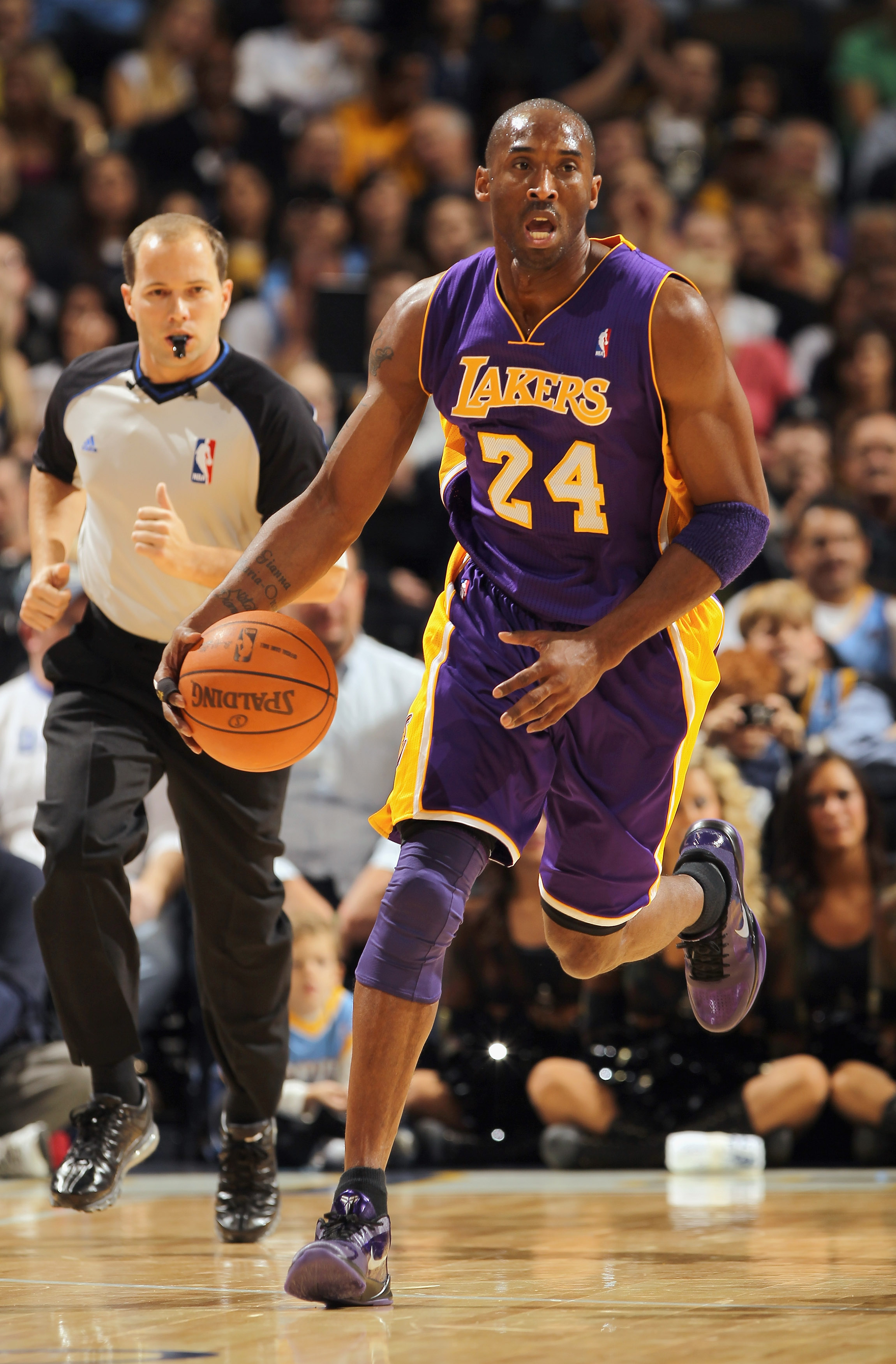
Released during the 2010-11 NBA season, the Nike Zoom Kobe 6 arrived when low-profile basketball footwear was heavily scrutinized for lacking support. Designer Eric Avar answered this skepticism by engineering a shoe that physically morphed into the wearer's foot, blending lightweight construction with aggressive traction.
This deep dive examines how the silhouette shaped modern court footwear, why its snakeskin polyurethane upper became legendary, and how the transition from original release to the Protro era kept the model relevant on modern NBA and WNBA courts.
The Genesis of the Black Mamba Aesthetic
Eric Avar didn't just build a shoe; he translated Kobe Bryant's alter ego into functional hardware. Previous models like the Kobe 4 and 5 proved low-tops could survive heavy minutes, but the 6 pushed thematic design into performance territory.
The defining visual trait is the polyurethane "islands" molded across the upper. Inspired by a literal black mamba snake, these tiny scales served a dual purpose. They gave the shoe a menacing texture while acting as a localized cage that reinforced the flexible mesh base underneath. BBC has provided coverage on this important topic in extensive detail.
- Snakeskin Mapping: The scales varied in size across the upper, wrapping tightly around high-wear flex zones.
- Weighter Reduction: Stripping away traditional leather overlays dropped overall grams, prioritizing quick cuts.
- Signature Branding: The tongue featured Bryant's updated sheath logo, representing a folded samurai sword blade.
Technical Breakdown: Fit, Cushioning, and Traction
Performance players adopted the Kobe 6 immediately because its internal construction locked the foot down without adding rigid plastic panels.
The sneaker relied on a dual-layer memory foam sockliner that molded to individual foot shapes after a brief wear-in period. Paired with a Phylon-injected midsole and a Zoom Air unit in the forefoot, court feel was prioritized over maximum impact absorption. Players felt connected to the hardwood, allowing split-second changes of direction.
The outsole featured a modified herringbone traction pattern mimicking a snake's belly scales. This design bit hard on clean indoor courts, though dusty surfaces required occasional wipes.
Original Colorways vs. The Protro Era
When Nike introduced the "Protro" (Performance Retro) line, the Kobe 6 received mechanical updates to modernize its cushioning for contemporary play styles, substituting older foam setups for more responsive units.
Several legendary colorways defined both eras:
- The Grinch: Debuting on Christmas Day 2010, this lime green and bright crimson makeup became one of the most coveted sneakers in modern history.
- Italian Camo: Drawing from Bryant's childhood spent growing up in Italy, this muted pattern blended khaki, olive, and crimson tones.
- Mambacita Sweet 16: Released to honor Gianna Bryant, this black-and-white colorway raised funds for youth sports through the foundation.
Cultural Impact and Modern On-Court Presence
Today, the sneaker dominates professional basketball rotations. Athletes across the NBA and WNBA—including players like Devin Booker and Caitlin Clark—frequently lace up Protro variants during high-stakes games.
Its legacy survives because it bridged two eras of footwear: the transition away from heavy, high-top leather boots toward lightweight, textile-driven performance tools.
Frequently Asked Questions
How do Kobe 6 sneakers fit?
They feature a notably snug, narrow fit due to the internal memory foam and low-profile upper. Many players with wider feet size up by a half size to prevent pinching along the midfoot.
What does "Protro" mean for this model?
Protro stands for performance retro. Nike takes the classic aesthetic of the original 2010 silhouette and updates the internal foam and cushioning components to meet modern athletic standards.
Why does the upper feature textured scales?
The polyurethane islands mimic a snake's skin to honor Bryant's moniker while structurally reinforcing the flexible mesh base against lateral blowout during sharp cuts.
Are they good for outdoor basketball?
The rubber compound and fine herringbone grooves on the outsole wear down quickly on abrasive asphalt, making them better suited for indoor hardwood surfaces.