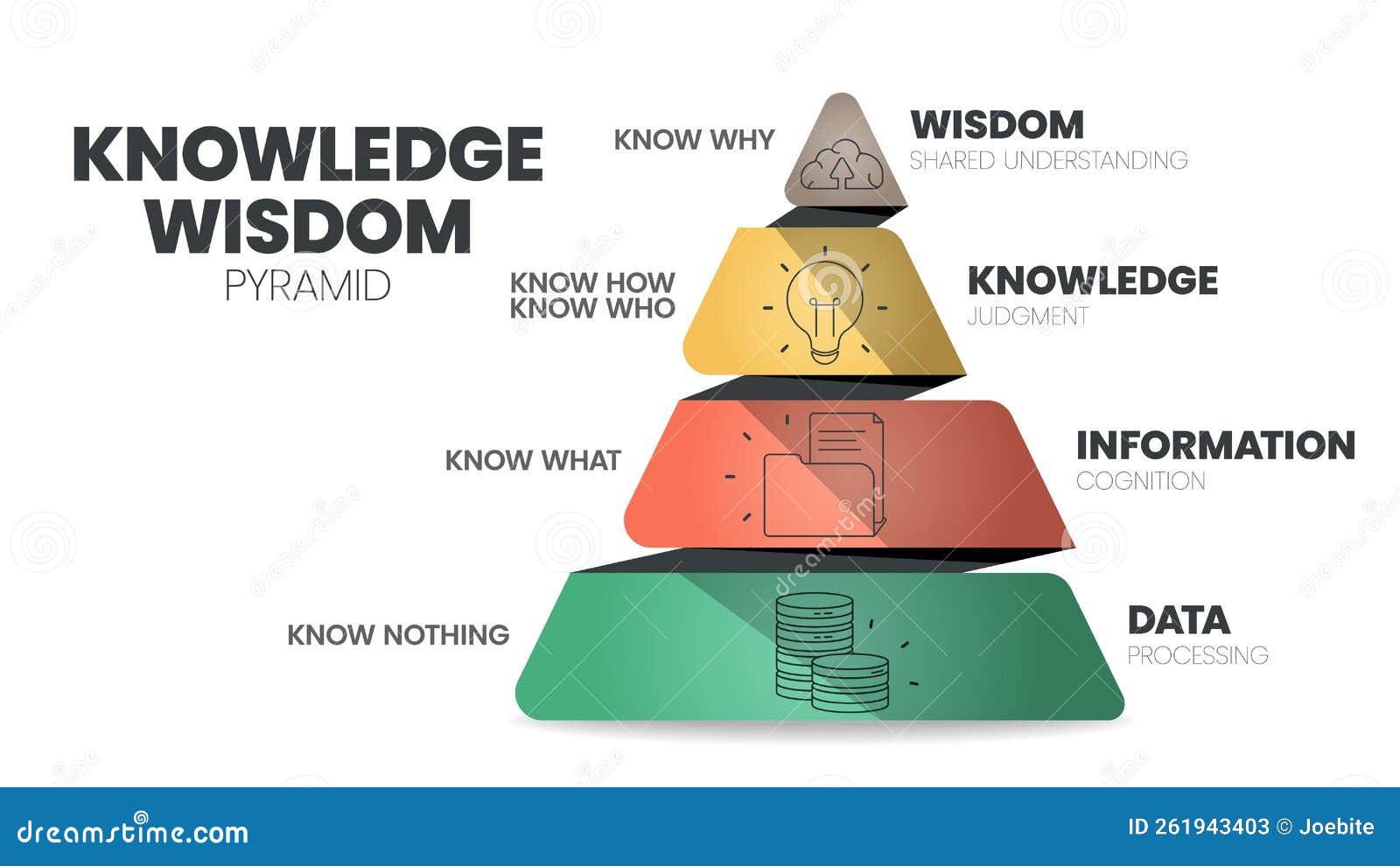
Modern higher education lives or dies by how well its systems connect. When students, faculty, and administrative staff are trapped in isolated software silos, institutional progress slows to a crawl. The Knowledge Hub at the University of Louisville (UofL) targets this friction head-on by centralizing digital assets, tools, and resources. It's a structured approach to modernizing campus collaboration, offering a single source of truth for academic and technical growth.
If you're trying to understand how this platform transforms everyday university operations, you aren't alone. Traditional campus intranets often fail because they treat documents and people as separate entities. UofL's digital transformation model shifts the focus toward active resource sharing, integrated skill-building, and cross-departmental alignment. Let's break down how this ecosystem operates, what it changes for daily users, and where higher education technology is heading next.
Core Pillars of Digital Collaboration at UofL
Centralizing a major university's digital footprint requires more than just launching a shared drive. It demands an intentional architecture that brings together disparate tools—ranging from learning management systems to professional certification portals.
- Unified Resource Discovery: Students and faculty don't have to hunt across disconnected department pages to find software tutorials, research guides, or technical standards.
- Ecosystem Integration: The platform ties into major enterprise platforms like University of Louisville Digital Transformation Center resources, bridging the gap between classroom instruction and technical upskilling.
- Cross-Disciplinary Access: Researchers in engineering can easily share workflows with peers in health sciences or arts, breaking down historic academic silos.
How the Knowledge Hub Impacts Daily Campus Life
Tools only matter if people use them. When an educational platform integrates smoothly into daily routines, adoption rates climb and administrative overhead drops.
For Students
Navigating a major research university can feel overwhelming. Students often juggle multiple logins, assignment trackers, and communication channels. The digital hub streamlines this experience by curating accessible tutorials, software access points like MATLAB, and career-oriented credentials. Instead of spending hours searching for support documentation, you can find verified guides in seconds.
For Faculty and Researchers
Professors face immense pressure to keep coursework fresh while managing complex research projects. The platform provides ready-to-use digital modules, collaborative workspace templates, and professional development paths. It reduces the friction of designing blended learning environments, letting educators focus on teaching rather than troubleshooting software compatibility.
Key Features Driving Modern EdTech Adoption
Institutions evaluating digital hubs look for specific functional capabilities. UofL's framework relies on several core components that keep users engaged.
- Curated Learning Paths: Instructors and team leads can group tutorials, software guides, and reading materials into sequential playlists tailored to specific classes or projects.
- Credential Tracking: Users can log completion of digital badges and industry certifications directly through connected institutional dashboards.
- Centralized Help Desks: Technical support documentation lives side-by-side with educational content, cutting down ticket resolution times.
For a broader look at how major institutions manage instructional tech infrastructure, check out EDUCAUSE, which tracks higher education technology trends and digital transformation strategies globally.
Common Adoption Hurdles and How to Avoid Them
Even the best digital initiatives face friction during rollout. Recognizing these pitfalls helps institutions protect user adoption and morale.
- Information Overload: Dumping hundreds of unorganized guides into a single portal creates digital noise. Successful hubs rely on strict tagging and periodic content audits.
- Low Discoverability: If users don't know a resource exists, it effectively doesn't exist. Link hub resources directly inside standard course shells like Blackboard or campus communication apps.
- Training Gaps: Faculty members need hands-on onboarding, not just a link to a PDF manual. Peer-led workshops accelerate comfort levels significantly.
Frequently Asked Questions
Who can access the UofL Knowledge Hub resources?
Active students, faculty, and staff with valid institutional credentials can log in to access licensed software, specialized learning modules, and internal collaboration guides.
Does the hub replace traditional learning management systems?
No. It acts as a complementary layer. While systems handle course delivery, grading, and direct assignments, the hub houses broader digital agility tools, professional certificates, and cross-campus resources.
How do departments contribute new materials to the hub?
Departments typically work with digital transformation teams to submit verified resources, ensuring compliance with accessibility standards and institutional branding guidelines before publication.
Is prior technical experience required to use the platform?
Most curated paths cater to all skill levels, starting with foundational tutorials before moving on to advanced technical topics like data visualization or coding.



