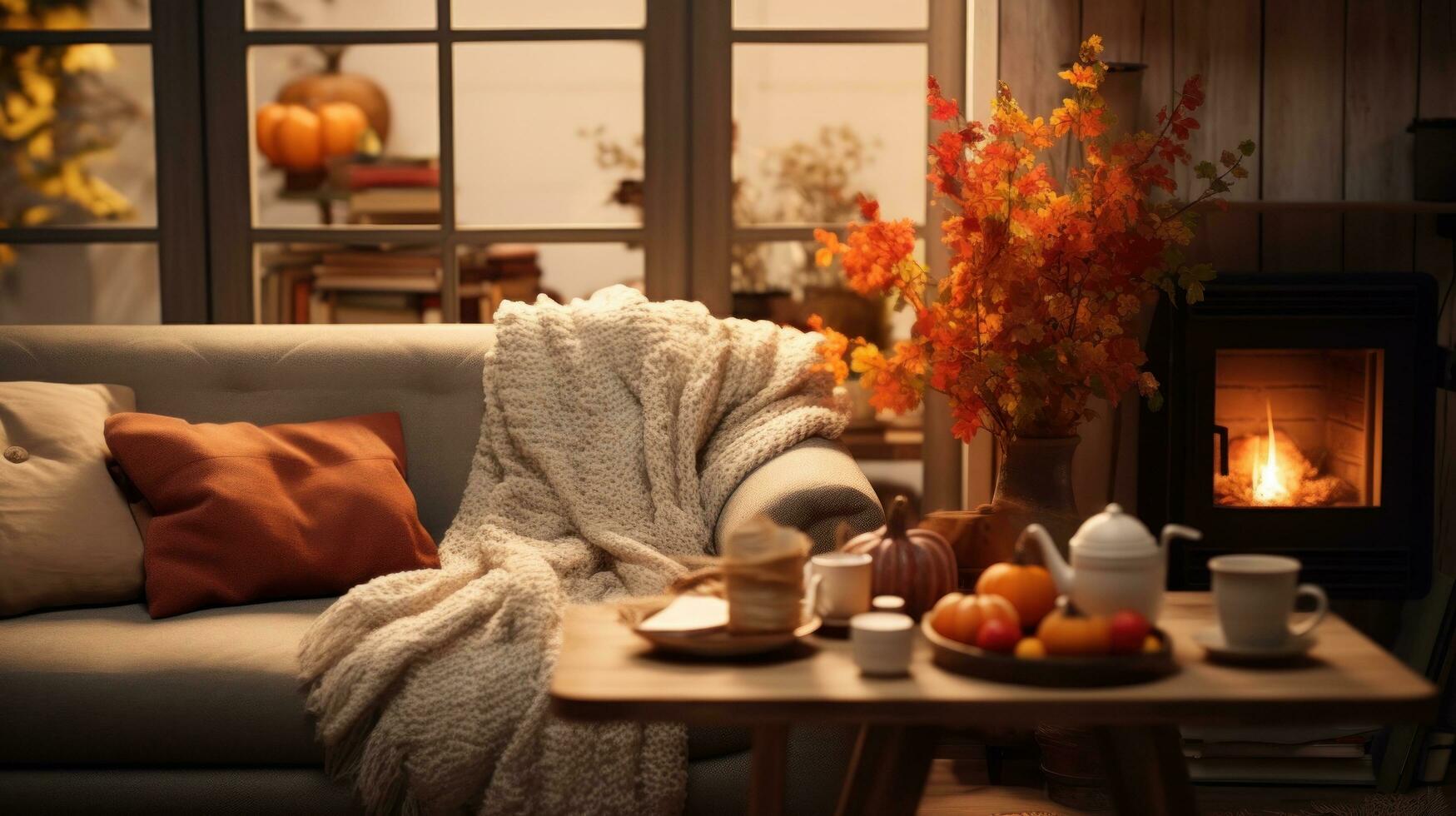
Knitting a cozy sweater is one of the most rewarding milestones for any crafter. When cold weather hits, nothing beats the satisfaction of wearing a handmade garment that fits well, keeps you warm, and feels soft against your skin. While beginner sweater patterns can sometimes feel intimidating, breaking the process down into manageable phases makes it entirely achievable.
This guide walks you through yarn selection, gauge swatching, construction methods, and finishing techniques so you can craft a sweater you'll actually want to wear every day.
Choosing the Right Yarn for Maximum Warmth
Your choice of yarn dictates the weight, drape, warmth, and longevity of your sweater. Walking into a yarn shop without a plan often leads to buying pretty skeins that don't suit garment knitting.
Natural Animal Fibers
Wool remains the gold standard for sweaters because of its natural elasticity, warmth, and breathability.
- Merino wool: Highly recommended for first-time sweater knitters. It provides incredible warmth without the scratchiness associated with traditional sheep's wool.
- Alpaca blends: Alpaca offers magnificent drape and warmth, though it tends to stretch over time. Blending it with wool or nylon helps the garment retain its shape.
Plant-Based and Synthetic Fibers
- Cotton and linen: These fibers create breathable garments suitable for cooler spring and summer evenings. Keep in mind that plant fibers lack memory, meaning they can sag or stretch out with heavy wear.
- Acrylic and nylon: Budget-friendly and easy to wash, synthetic yarns work well for casual everyday sweaters, though they trap less heat than natural wool.
Getting the Fit Right: Swatching and Sizing
Skipping the gauge swatch is the most common reason handmade sweaters end up unwearable. A gauge swatch is a small test square knitted using your intended yarn and needle size to verify your stitch and row counts per inch.
How to Gauge Swatch Correctly
- Cast on at least 20 to 30 stitches using the needle size recommended in your pattern.
- Knit in pattern for 4 to 5 inches.
- Bind off loosely and block the swatch by washing and pinning it to the exact dimensions you want, letting it dry completely.
- Measure the stitches and rows within the center 4-inch square.
If you have too many stitches per inch, your sweater will turn out too small; switch to a larger needle size. If you have too few stitches, your sweater will be oversized; switch to a smaller needle. Taking twenty minutes to swatch saves dozens of hours of unravelling later.
Construction Methods: Top-Down vs Bottom-Up
Sweaters are constructed using several different methods, each offering unique benefits for fit and assembly.
Top-Down Seamless Construction
Working a sweater from the neckline down lets you try on the garment as you go. You can easily adjust the body length or sleeve length without committing to a fixed measurement early on. Raglan and yoke sweaters are popular top-down styles that require zero mattress stitch seaming at the end.
Bottom-Up Seamed Construction
Traditional patterns often have you knit the front, back, and sleeves separately from the bottom up, then seam them together. While this requires seaming, the structured seams provide extra stability, preventing heavy wool sweaters from stretching out of shape over years of wear.
Essential Finishing and Blocking Techniques
The difference between a homemade sweater and a handmade masterpiece lies in the finishing work.
Weaving in Ends Securely
Never cut your yarn tails too short right off the needles. Use a tapestry needle to weave tails back and forth through the stitches along an interior seam or ribbing for at least two to three inches to prevent unraveling.
Wet Blocking
Blocking transforms uneven stitches into a polished, professional fabric. Submerge your finished sweater in lukewarm water with mild wool wash for fifteen minutes. Gently press out excess water in a clean towel without wringing or twisting. Lay the sweater flat on blocking mats, shaping it gently to the measurements specified in the pattern schematic, and pin it in place until completely dry. For more detailed garment care and blocking guides, consult resources from the Craft Yarn Council.
Frequently Asked Questions
How long does it take to knit an average sweater?
Depending on your knitting speed and yarn weight, a standard adult sweater takes anywhere from 30 to 80 hours. Bulky yarn projects knit up much faster, while fingering weight sweaters require more patience.
Should I wash my sweater in a washing machine?
Unless your yarn label explicitly states that it is superwash wool and machine washable, always hand wash your handmade sweaters in cool water using gentle soap. Machine agitation causes natural fibers to felt and shrink permanently.
How do I prevent my sweater from pilling?
Pilling is a natural result of friction on short fibers. Choosing tightly spun yarns with longer staple lengths minimizes pilling. If pills do form, remove them gently with a fabric shaver rather than pulling them, which can weaken the yarn.
What is positive ease?
Positive ease refers to how much larger the sweater's circumference is compared to your actual body measurements. A cozy sweater typically features 2 to 6 inches of positive ease for a relaxed, comfortable fit. Learn more about garment sizing standards at ASTM International.