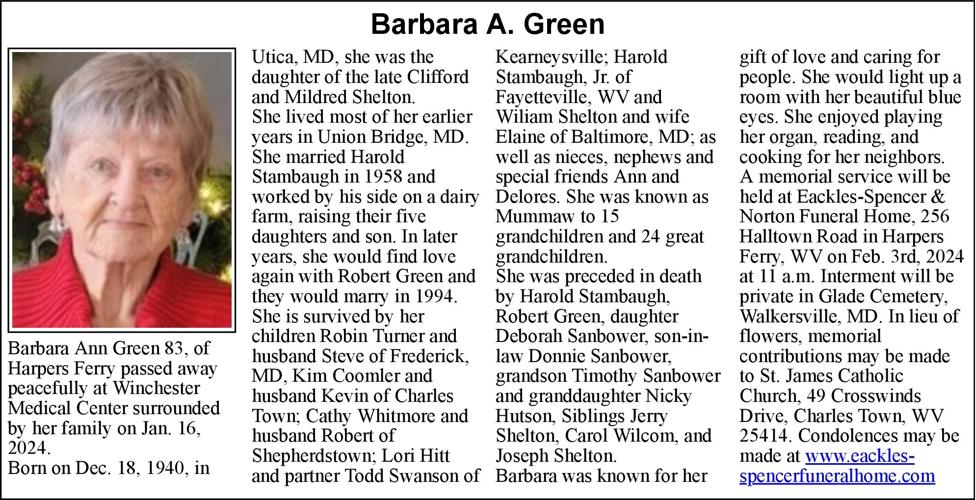
Local newspapers do more than report the daily news; they record the human footprint of a community over generations. When researchers, historians, and grieving families look through local death notices, they aren't just scanning names. They're reading an unfiltered chronicle of a region's social fabric, economic shifts, and personal milestones. For residents of Sullivan County and the surrounding Tri-Cities region, local notices serve as a primary archive of local heritage.
Examining death notices from regional publications reveals how individual biographies piece together a collective portrait of Appalachian life. From historical trends to practical research methods, understanding how to read and utilize these records unlocks a wealth of genealogical and historical context.
The Historical Scope of Regional Death Notices
Local papers have documented the milestones of East Tennessee for over a century. Long before digital databases existed, community notices captured the migration patterns, industrial growth, and family lineages that built towns like Kingsport, Johnson City, and Bristol.
These notices reflect the heavy influence of local industry and agriculture. Mention of careers tied to chemical plants, manufacturing facilities, and textiles appear frequently across decades, tracking the rise of the region as an economic hub. When an industrial worker or a lifelong educator passes away, the notice often details their specific contributions to factories, schools, and civic clubs. This transforms a brief announcement into a localized historical record.
Key Elements Found in Traditional Notices
A standard notice in a regional publication contains specific genealogical markers. Knowing what details to look for helps family historians extract maximum value from a single clipping. Standard elements include:
- Vital Statistics: Full legal name, maiden names, exact dates of birth and passing, and primary city of residence.
- Lineage Markers: Surviving family members, predeceased parents, siblings, children, and grandchildren.
- Vocational History: Long-term employment, military service branches, and union or professional memberships.
- Community Affiliations: Church memberships, volunteer organizations, and local club participation.
- Service Details: Officiating clergy, funeral home handling arrangements, and designated charities for memorial contributions.
Navigating Regional Archives and Digital Platforms
Finding older records requires moving beyond simple search bars. Local public libraries, historical societies, and regional funeral homes maintain extensive archives that date back to the early days of local publishing.
If you're researching family history or historical events, digital portals like Legacy.com or the archives maintained by regional platforms like the Kingsport Times-News offer searchable databases. However, gaps often exist in pre-digital records. Bridging those gaps requires alternative research strategies.
Effective Steps for Genealogical Research
When tracking down historical records in East Tennessee, follow a structured process to ensure accuracy:
- Start with Local Funeral Homes: Establishments such as Hamlett-Dobson, Carter-Trent, and East Lawn often retain service booklets and physical archives that extend beyond what appeared in daily print editions.
- Consult Public Libraries: The Kingsport Public Library and regional archives house microfilm collections of past print runs, which contain notices, marriage licenses, and local interest stories missing from web indexes.
- Cross-Reference Census and Marriage Data: Match names and dates from notices against federal census records to confirm parentage, sibling structures, and home addresses across decades.
- Utilize Cemetery Databases: Websites like Find A Grave help connect the dates listed in a notice to an exact burial plot in local cemeteries like Oak Hill or East Lawn Memorial Park.
Common Research Mistakes to Avoid
Amateur historians often run into roadblocks because they approach historical notices with modern expectations. Avoiding these pitfalls saves time and prevents dead ends.
- Assuming Spelling Consistency: Historic printing errors are common. Surnames frequently change spelling across decades due to typographical mistakes or shifting phonetic spellings. Always search using wildcards or phonetic variations.
- Ignoring Maiden Names: Women are frequently listed solely by their married names in mid-20th-century editions. Failing to search for paternal family lines cuts off entire branches of a family tree.
- Overlooking Non-Family Survivors: Friends, business partners, and executors listed at the bottom of a notice often provide vital clues to an individual's social circle and community standing.
Frequently Asked Questions
How far back do digital archives for regional notices go?
Most online databases for regional publications extend reliably back into the late 1990s. For records prior to that era, researchers must rely on digitized microfilm, library archives, or physical clippings kept by local historical societies.
Why do some notices omit the cause of death?
Including a cause of death is optional and entirely up to the discretion of the surviving family. Many families choose to focus strictly on life achievements, survivors, and memorial service details rather than medical history.
Are all local death notices published online automatically?
Not necessarily. While major regional papers syndicate most submissions to online repositories, smaller communities or families opting for private arrangements may only publish basic notices locally or through funeral home websites directly.
How can I request a correction on a published notice?
If you spot an error in a recent publication, contact the managing funeral home or the newspaper's classified and obituary desk immediately. They handle amendments and corrections before final archival archiving takes place.



