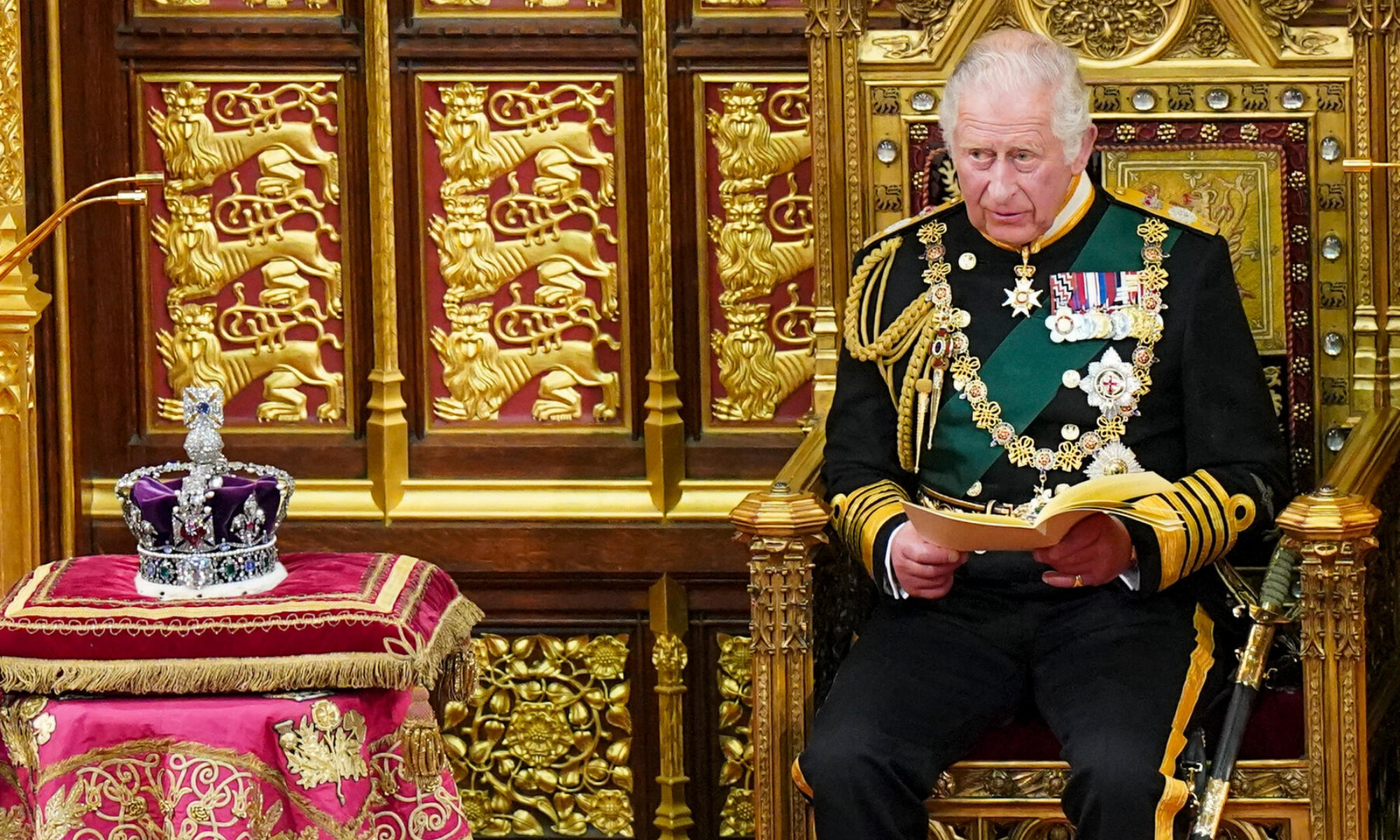
When Queen Elizabeth II passed away on September 8, 2022, her eldest son stepped into a role he had prepared for across seven decades. At 73 years old, he shattered a centuries-old milestone. He didn't just inherit the crown; he rewrote the demographic history of the British institution by becoming the oldest person ever to ascend the British throne.
For most of modern history, monarchs claimed their titles in the flush of youth or early middle age. King Charles III inverted that expectation. His historic accession capped the longest wait-in-waiting the UK has ever recorded, transitioning him from a lifetime of eco-activism and royal duty as the Prince of Wales into a septuagenarian head of state.
Shattering the Age Record at Accession
Before September 2022, the record for the oldest monarch at the time of accession belonged to King William IV. When William IV took the throne in 1830, he was 64 years old. Most other famous British sovereigns—including Queen Victoria, George III, and Elizabeth II herself—were considerably younger when their reigns officially began.
Charles surpassed William IV's record by nearly a decade. Born on November 14, 1948, Charles spent 70 years, 214 days as heir apparent, a tenure that began when his mother became queen in 1952 and he became first-in-line at just three years old.
This unprecedented timeline means his reign operates under a completely different biological clock than those of his predecessors. While Queen Victoria reigned for nearly 64 years starting from her teens, Charles stepped onto the throne with a lifetime of accumulated public service already behind him. You can read more about his official background on the Royal Family Website.
How He Compares to the Oldest Rulers in British History
Age at accession is only one metric. Looking at the lifespan of British kings and queens reveals a fascinating shift in royal longevity. Historically, monarchs often died young due to battlefield injuries, infections, political executions, or poor medical care. Modern healthcare has altered those statistics dramatically.
- Queen Elizabeth II: Died at 96 years old after reigning for 70 years.
- King George III: Lived to 81 years old, though his final decade was marred by severe physical and mental illness.
- Queen Victoria: Lived to 81 years old, completing a landmark 63-year reign.
- King Charles III: Ascended at 73 and entered his late seventies managing ongoing medical treatments while maintaining his state responsibilities.
Unlike ancient rulers who fought for survival, modern royals benefit from advanced medicine. Yet, ascending in one's seventies creates a unique administrative reality. The traditional decades-long preparatory phase is compressed, and succession planning within the House of Windsor takes on an immediate urgency.
The Operational Reality of a Later-Life Accession
Taking the throne later in life changes how a sovereign executes day-to-day duties. Charles spent decades establishing independent institutions, most notably The Prince's Trust, which supported over a million young people. He championed organic farming and sustainable architecture long before those topics dominated mainstream politics.
When he finally became king, he didn't have to discover his public voice; he brought a fully formed worldview to the office. However, physical stamina inevitably dictates a modern monarch's schedule. Adjustments to foreign tours, investitures, and public appearances reflect the practicalities of managing a demanding constitutional role in later life.
Historical archives maintained by the UK Government document how constitutional duties adapt when an aging sovereign takes office, balancing tradition with modern health management.
Common Misconceptions About Royal Longevity
People often confuse the length of a reign with the age of the monarch. They are entirely separate milestones.
Louis XIV of France holds famous records for a long reign because he inherited the crown at age four, ruling for over 72 years despite dying in his seventies. In contrast, British history features monarchs who lived long lives but had relatively short reigns because they inherited the crown late.
Another frequent mix-up involves confusing the longest-lived monarch with the longest-reigning monarch. While Elizabeth II holds both distinctions in modern British history, Charles holds the distinct title of the oldest entrant to the job, rather than the record for the longest time spent wearing the crown. Detailed biographical tracking can be found via BBC News.
Frequently Asked Questions
Who held the record for the oldest British monarch before King Charles III?
King William IV held the record previously. He was 64 years old when he ascended the throne in 1830. King Charles surpassed this by taking the crown at age 73.
How long was King Charles III the Prince of Wales?
He served as the Prince of Wales for over 64 years, making him the longest-serving heir apparent in British history. He held the title from 1958 until his accession in 2022.
Will King Charles break the record for the longest reign?
No. Breaking the record set by Queen Elizabeth II (70 years) or Queen Victoria (nearly 64 years) is mathematically improbable given his age at accession.
How does a later-life accession affect royal duties?
It shifts the focus toward streamlined operations. Senior working royals share a heavier distribution of state visits, parliamentary duties, and patronages to support the sovereign.



