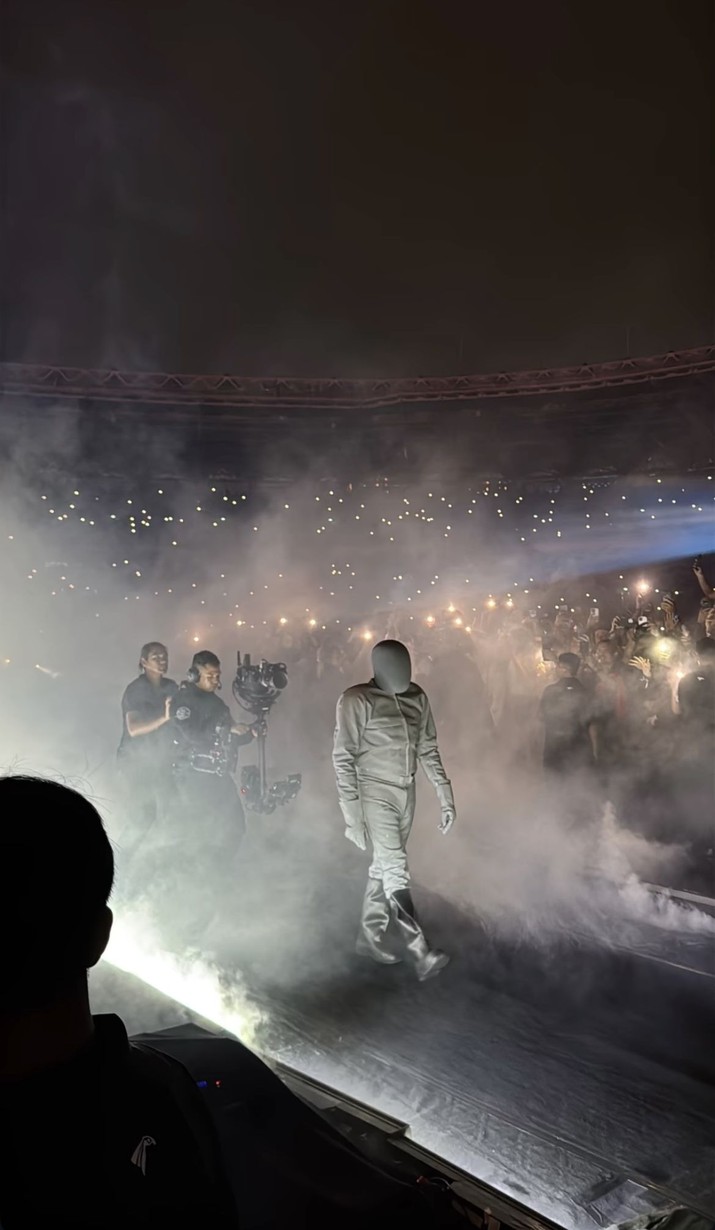
When Kanye West stepped into Kim Kardashian's closet in 2012, he famously threw out hundreds of pairs of shoes and replaced them with neutral-toned designer pieces. That wardrobe purge marked the beginning of one of the most visible sartorial transformations in modern pop culture. Kim's fashion trajectory shifted from glittery bodycon dresses and red carpet trends to high-end minimalism, avant-garde streetwear, and architectural silhouettes that reshaped global trends.
Understanding this transformation requires looking past the tabloids and examining how Kanye's creative direction shaped Kim's wardrobe, how she carved out her own independent aesthetic post-divorce, and how her former style blueprints continue to influence current pop culture.
The Pre-Kanye Era and Early Glamour
Before Kanye exerted any influence over her daily outfits, Kim's style belonged to the late 2000s and early 2010s mainstream celebrity playbook. She favored bold colors, animal prints, heavy statement necklaces, bandage dresses, and pageant-style glamour. Her public appearances relied heavily on traditional red carpet formulas: strapless gowns, heavy contouring, and conventional Hollywood styling.
While effective for reality television, this aesthetic lacked the conceptual edge that high-fashion gatekeepers demanded. Designers initially kept their distance, viewing reality stars as commercial rather than aspirational. That barrier broke down entirely once Kanye intervened, bringing his industry connections, Parisian fashion house relationships, and obsessive eye for curation directly to her wardrobe.
The Yeezy Era and Architectural Minimalism
Once the famous 2012 closet cleanout took place, Kim's wardrobe shifted toward a muted, earthy color palette. Browns, creams, olives, and charcoals replaced vibrant hues. This period established the foundational look of the Yeezy brand aesthetic: oversized hoodies, Yeezy boots, neutral bike shorts, corset tops, and custom latex pieces.
Kanye treated Kim as a living mood board, collaborating with major designers to create custom looks for her. Key milestones from this era include:
- The 2016 Met Gala where she wore a heavily structured, metal-encrusted Balmain gown that fit the "Manus x Machina" tech theme.
- The 2019 Mugler latex "wet look" dress, which required intense corsetry and months of specialized fittings.
- The adoption of technical sportswear mixed with luxury couture, paving the way for mainstream athleisure trends.
During these years, Kim evolved from a celebrity wearing clothes to a muse helping launch global trends. Oversized neutrals and body-hugging shapewear became staples in millions of closets, commercialized heavily through her brand Skims.
Post-Divorce Independence and Modern Styling
Following her divorce filing, Kim faced a distinct challenge: figuring out what her personal style looked like without Kanye acting as her primary stylist. Initial public appearances post-split showed a period of experimentation where she tested vibrant colors, vintage archival pieces, and sharper tailoring on her own terms.
She leaned heavily into archival fashion, sourcing rare pieces from Balenciaga, Dolce & Gabbana, and Mugler. Without a single creative director dictating her looks, her wardrobe became more eclectic. She balanced high-fashion structural pieces with comfortable everyday streetwear, proving that her fashion authority could survive outside the Yeezy ecosystem.
Common Mistakes When Analyzing Celebrity Wardrobes
Observers often misunderstand celebrity fashion transformations by attributing them entirely to external control or accidental trends. When looking at style evolution over a decade, critics frequently fall into specific traps.
- Assuming total passivity: Kim actively collaborated on fittings, business ventures, and brand partnerships, turning her style transformation into a multi-billion-dollar enterprise.
- Overlooking tailoring: High-end streetwear and minimalist clothing rely entirely on precise tailoring. Ill-fitting oversized garments look sloppy, whereas celebrity versions are custom-cut to exact body proportions.
- Ignoring context: Outfits designed for Paris Fashion Week serve a different purpose than everyday paparazzi photos or television appearances. Conflating runway marketing stunts with daily wear distorts how trends actually work.
Frequently Asked Questions
Who styled Kim Kardashian before Kanye West?
Before Kanye, Kim worked with various stylists, most notably Monica Rose, who defined the 2010s Los Angeles boho-glam and bodycon aesthetic.
How did Kanye West change Kim Kardashian's wardrobe?
He replaced bright colors, statement prints, and trendy accessories with a strict monochrome palette, European couture houses, technical sportswear, and architectural silhouettes.
What brands did Kim wear most during the height of the Yeezy era?
She frequently wore custom Balmain, Yeezy, Rick Owens, Mugler, and Balenciaga during her marriage to Kanye.
How has Kim's style changed since her divorce?
Post-divorce, she incorporated more archival vintage pieces, experimented with diverse color palettes, and balanced structured luxury wear with independent styling choices.



