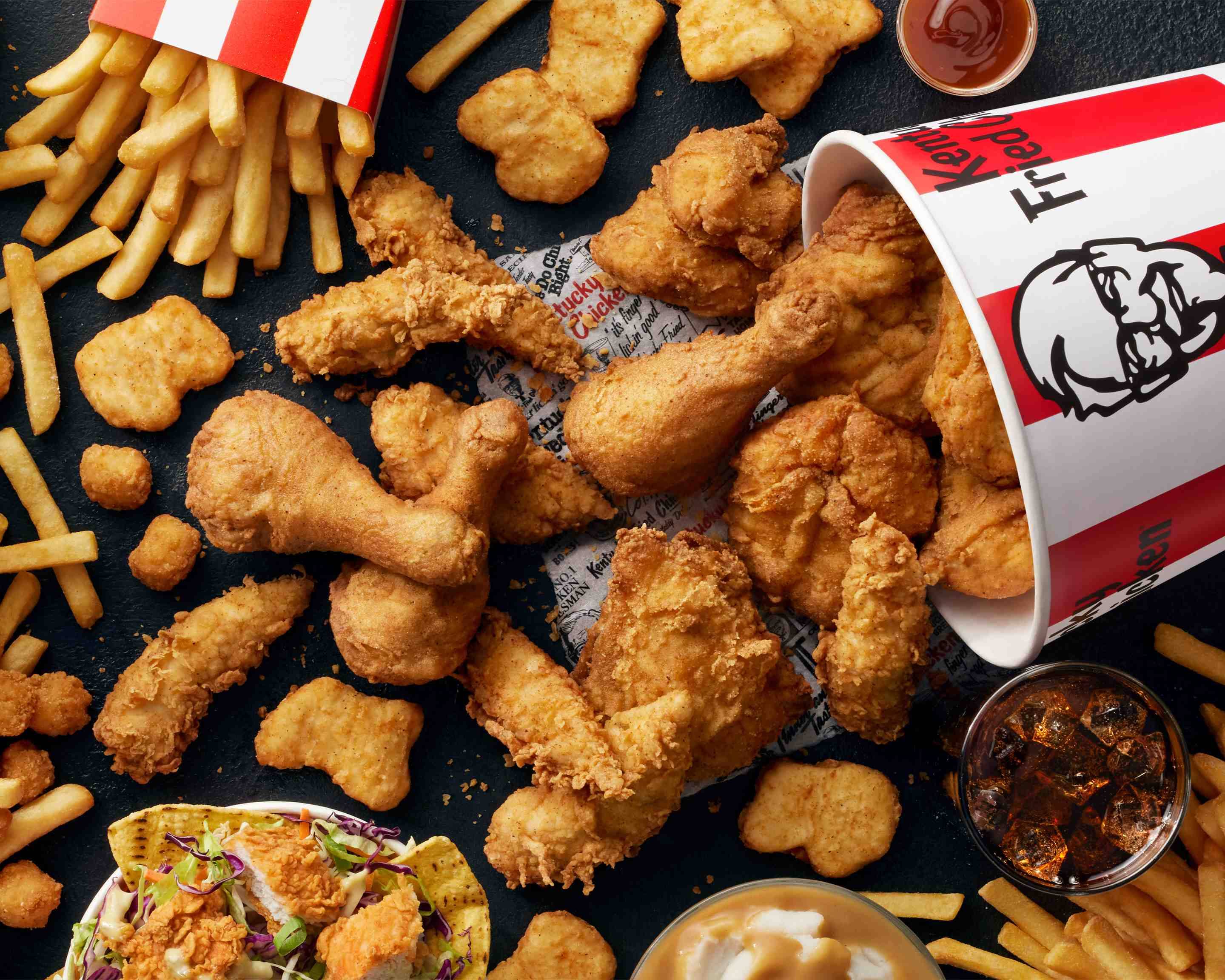
Working in fast food comes with plenty of questions about paychecks, schedules, and career progression. If you're looking into quick-service restaurant employment, understanding the exact financial breakdown matters.
The average KFC hourly rate typically spans from $15.00 to $18.50 per hour for entry-level crew members, though your actual earnings depend heavily on your geographic location, specific job duties, and provincial or state minimum wage laws. Let's break down what staff members actually take home, how different roles stack up, and what you need to know before applying.
The Real Numbers Behind KFC Hourly Pay
Base pay structures at quick-service chains fluctuate based on regional economic conditions. While national averages provide a rough baseline, they don't tell the whole story. Urban centers with high costs of living push starting wages up, whereas smaller towns often hover closer to the legal minimum wage floor.
Most entry-level team members start right around or slightly above the mandatory minimum wage. Franchise ownership models also play a major role. Because individual franchisees manage a vast majority of locations, pay rates can vary significantly even between two restaurants in the same city.
Entry-Level Positions and Cashiers
Front-counter attendants, cashiers, and packing crew members generally anchor the lowest tier of the wage scale.
- Starting pay: Usually tracks right with local minimum wage laws, ranging from $15.00 to $17.00 per hour.
- Daily duties: Taking customer orders, operating POS systems, maintaining dining room cleanliness, and packaging meals accurately.
- Experience required: None. Training is provided on the job during your initial onboarding period.
Kitchen Staff and Cook Positions
Back-of-house workers, including line cooks, breaders, and fryers, often command a slight pay premium over front-counter staff due to the physical demands of the kitchen and strict adherence to food safety protocols.
- Starting pay: Typically ranges from $15.50 to $18.00 per hour.
- Daily duties: Handling raw poultry, managing commercial pressure cookers and fryers, filtering shortening, and maintaining strict food-safety logs.
- Experience required: Preferred, but training programs teach the brand's proprietary preparation methods from scratch.
Supervisory and Management Compensation
Moving past entry-level crew work opens up significantly higher hourly and salaried compensation tiers. Leadership responsibilities scale up quickly in fast-paced kitchen environments.
Shift Supervisors and Team Leads
Shift leads bridge the gap between crew members and store managers. They keep operations running smoothly during rushes, manage shift handoffs, and handle minor customer disputes.
- Pay range: Generally falls between $18.00 and $22.00 per hour.
- Additional perks: Often receive structured performance reviews and eligibility for minor schedule flexibility preferences.
Assistant Managers and Restaurant General Managers
Assistant managers and general managers transition into higher-tier responsibility. Assistant managers often earn hourly rates between $19.00 and $26.00, while general managers typically move to an annual salary ranging anywhere from $45,000 to over $65,000, depending on store sales volume and regional market performance.
Key Factors That Influence Your Paycheck
Several moving parts dictate what lands on your weekly paystub. Recognizing these variables helps you gauge your true earning potential.
Regional Cost of Living
Geography dictates baseline compensation more than any other factor. A crew member working in downtown Toronto, Vancouver, or Calgary commands a higher hourly rate than someone working in a rural municipality, driven entirely by local labor supply and regional living expenses.
Franchise vs. Corporate Ownership
Corporate-owned locations adhere to standardized pay scales and uniform corporate benefit frameworks. Conversely, independent franchisees maintain total autonomy over localized wage offers, bonus structures, and employee incentives. Always ask about specific store policies during your interview.
Shift Differentials and Availability
Workers who volunteer for early morning prep shifts, late-night closing shifts, or weekend coverage often find it easier to secure preferred hours and steady full-time status. Consistent availability makes you a valuable asset to store operators, which positions you favorably for merit-based raises.
Common Mistakes Job Seekers Make
Navigating fast-service employment applications requires clear-headed planning. Avoid these typical pitfalls when evaluating job offers.
- Ignoring total compensation: Looking only at the base wage ignores perks like employee meal discounts, uniform allowances, and tuition assistance programs that save you money out of pocket.
- Overlooking performance review schedules: Failing to ask about structured wage review timelines can leave you stuck at a starting rate longer than necessary. Many locations review wages annually or post-probation.
- Confusing gross and net pay: Forgetting to factor in mandatory deductions like income taxes, employment insurance, and CPP/social security contributions leads to unrealistic budget expectations.
- Neglecting promotion pathways: Assuming a starting job has zero upward trajectory. Most quick-service chains heavily favor internal promotions for supervisory slots.
Frequently Asked Questions
How often do fast food workers get paid?
Most locations operate on a bi-weekly payroll cycle, meaning you receive a paycheck every two weeks for the hours worked during that two-week pay period.
Are uniform costs deducted from your paycheck?
Policies vary by franchise owner, but many locations supply initial uniforms or branded shirts at no direct cost to the employee, while requiring workers to provide their own slip-resistant black footwear.
Can part-time workers move into full-time roles?
Yes. Many staff members start on a part-time schedule—ideal for students—and transition smoothly into full-time hours as their availability opens up and operational competency grows.
Do fast food employees get free food?
Employee meal policies depend entirely on the specific franchise owner. Most locations offer generous discounts on meals during shifts, and some provide a complimentary meal during long shifts. You can review official brand information on the KFC Official Website or explore broader labor insights via Statistics Canada for local employment trends.



