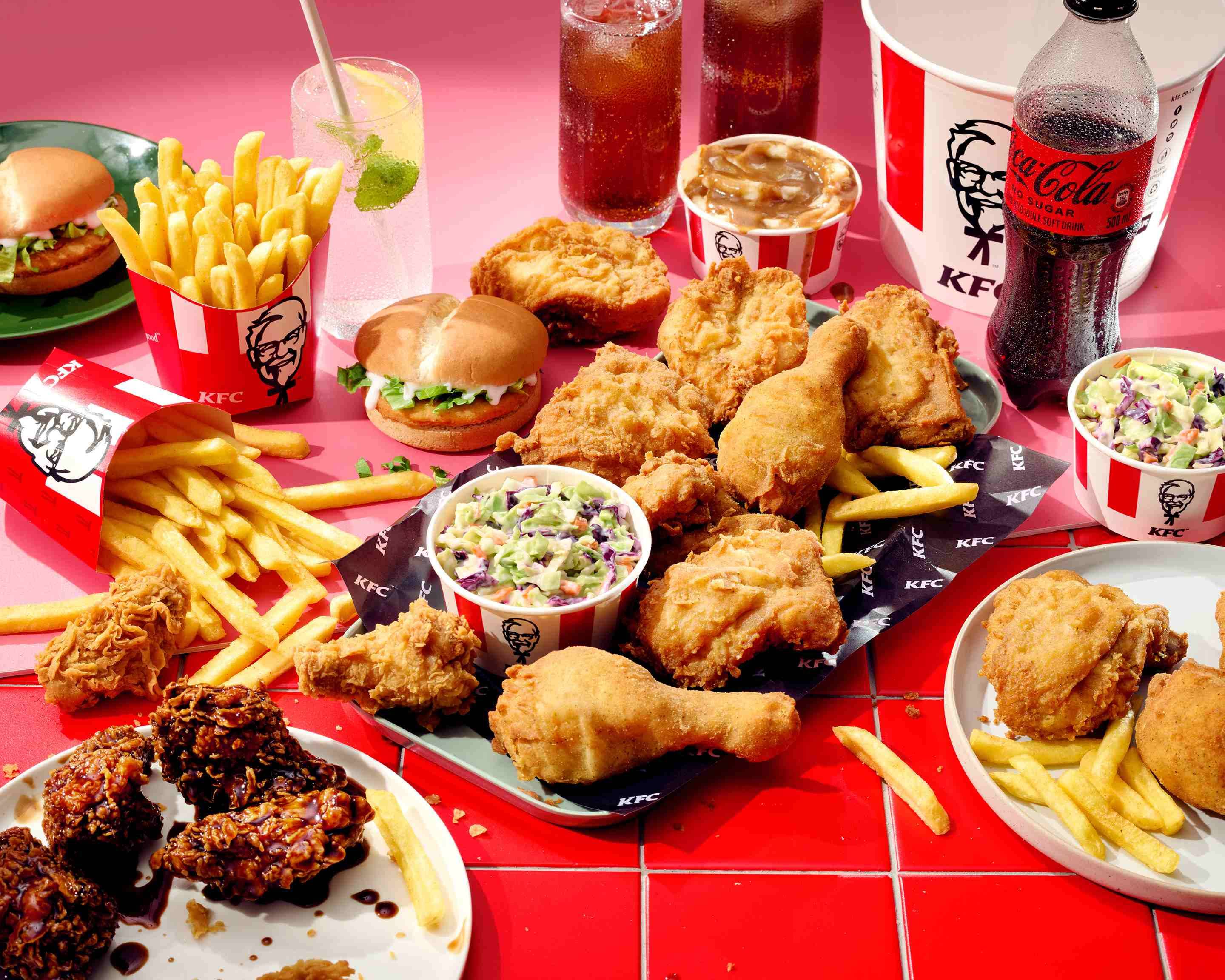
Navigating fast-food compensation requires looking past flashy corporate recruitment ads and examining actual paychecks. When you check KFC hourly pay, you quickly find that advertised rates rarely match what lands in your bank account after local labor laws, franchise models, and scheduling quirks take effect.
National averages for an entry-level KFC team member hover between $13 and $15 per hour across the United States. Yet, looking at a single national average hides massive regional swings where urban centers or states with high minimum wages push starting pay past $18 or $19 per hour, while rural locations stick close to state minimums. Understanding what you'll actually make means breaking down how ownership structures, specific kitchen roles, and hidden payroll deductions change your take-home pay.
Franchise vs. Corporate Stores
A major factor influencing your paycheck is whether your local KFC is corporate-owned or operated by an independent franchise. Around 95 percent of KFC locations in the United States are run by franchisees.
Franchisees set their own wage scales, benefit packages, and hiring incentives based on local market competition. While a corporate-owned store might adhere strictly to standardized regional wage bands, a franchise owner in a competitive labor market might offer hiring bonuses or higher starting rates to attract staff. Conversely, a franchise in a small town might pay closer to the absolute legal minimum. Always ask during an interview whether the specific store is corporate or franchised if you want an accurate picture of your earnings potential. Further coverage regarding this has been provided by BBC.
Breakdown of Pay by Role
Wages vary significantly depending on your daily responsibilities inside the restaurant. Front-of-house staff handle cash registers, drive-thru windows, and customer service, while back-of-house crew members manage fryers, pressure cookers, and chicken preparation.
- Team Members: Entry-level staff typically earn between $12 and $15 per hour depending on geography. This includes cashiers, packers, and general service workers.
- Cooks: Because handling industrial pressure cookers and maintaining strict food safety standards requires specialized skill, cooks often command an extra $1 to $2 per hour over standard team members, averaging $14 to $17 per hour.
- Shift Supervisors: Stepping into a leadership role bumps pay into the $16 to $20 per hour range. Supervisors open and close stores, handle cash drawers, and manage minor operational crises.
- Assistant Managers: Usually salaried positions, assistant managers average between $35,000 and $45,000 per year, which breaks down to an hourly equivalent of roughly $17 to $22 based on standard 40-to-45-hour workweeks.
The Reality of Part-Time Scheduling
A surprising hurdle for many fast-food workers isn't the base hourly rate itself, but the consistency of weekly hours. Most entry-level positions at quick-service restaurants are classified as part-time.
Managers balance labor budgets tightly against hourly customer traffic forecasts. If a Tuesday afternoon is unusually slow, you might get sent home two hours early, directly cutting your weekly earnings. Conversely, weekend rushes can lead to mandatory shift extensions. Building a reliable budget requires tracking your average weekly hours rather than multiplying your hourly wage by a static 40 hours. You can read more about industry labor standards through the Department of Labor.
Benefits and Perks That Offset Wages
Base pay is only one piece of total compensation. Fast-food employers often market perks to supplement lower cash wages, though their actual value depends on your personal situation.
- Meal Discounts: Most locations offer free or heavily discounted meals during shifts, which can shave $20 to $40 off your weekly grocery or food spending.
- Tuition Assistance: Programs like KFC's Reach Educational Grant program provide financial help for college-bound employees, offering scholarships that reduce out-of-pocket educational expenses.
- Flexible Scheduling: Students and parents often value the flexible shift options, allowing them to balance schooling or childcare alongside work.
Common Mistakes When Evaluating Job Offers
When comparing fast-food job offers, applicants frequently make errors that distort their financial expectations.
The biggest miscalculation is assuming gross pay equals net pay. Taxes, uniform fees, and potential union dues or localized deductions will chip away at your paycheck. Another common error is ignoring commute costs. Driving twenty miles each way for a job paying $15 an hour might net you less cash than working closer to home for $14 an hour once fuel and vehicle maintenance are factored into your weekly budget. Finally, don't overlook performance review cycles. Clarify with the hiring manager whether hourly wages scale upward after a standard 90-day probationary period.
Frequently Asked Questions
How often does KFC pay employees?
Most KFC locations operate on a bi-weekly payroll schedule, meaning employees receive paychecks every two weeks. Pay periods typically run from Monday through Sunday of the following week.
Do KFC employees receive tips?
Tips are rare in traditional fast-food counter service roles, though drive-thru staff or team members at locations with digital tipping prompts on card readers may occasionally see small electronic tip distributions.
Can you negotiate your starting pay at KFC?
While entry-level positions usually have fixed starting rates set by store management, applicants with prior restaurant management, cooking experience, or open schedule availability have some leverage to request a slightly higher starting tier.
Are uniforms provided for free?
Policies vary by franchise, but most locations provide initial uniform shirts or aprons at no cost, while employees may need to supply their own slip-resistant black shoes and dark trousers.



