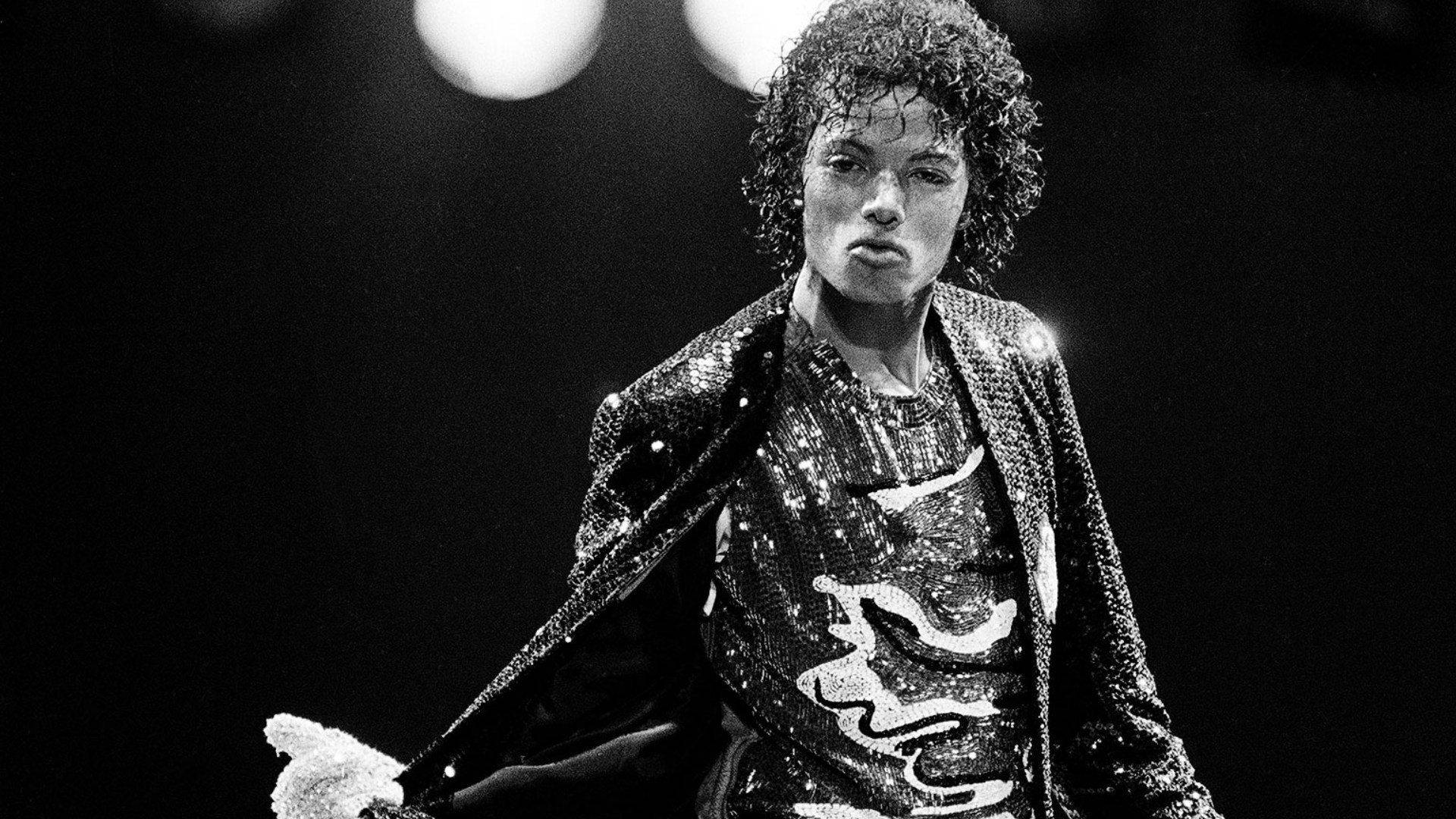
In the digital age, public figures often find their personal lives and professional choices dissected under constant media scrutiny. When a prominent individual faces intense public interest, the line between their authentic self and their public persona frequently blurs. This phenomenon raises critical questions about how modern celebrity culture impacts personal identity, mental well-being, and public perception.
Navigating fame requires maintaining a delicate balance between public engagement and personal privacy. When external pressures mount, individuals in the spotlight often experience a conflict between who they are behind closed doors and the narratives constructed by media outlets and online communities. Examining this tension reveals the mechanisms of modern digital fame and the heavy toll it takes on public figures.
The Mechanics of Public Scrutiny
Public pressure builds gradually as an individual gains visibility across social platforms and traditional media channels. Every public appearance, statement, and professional decision becomes subject to widespread analysis.
- Constant Monitoring: Digital audiences track routine updates, interpreting minor actions as significant shifts in character or intent.
- Amplified Narratives: Media outlets often exaggerate conflicts or controversies to drive engagement, turning normal human errors into major spectacles.
- Loss of Anonymity: Public figures lose the ability to navigate daily life without observation, which restricts personal freedom and spontaneous behavior.
This environment creates a perpetual performance loop. Figures feel compelled to curate every aspect of their public image, leaving little room for genuine human vulnerability or mistakes.
The Split Between Public Persona and Private Reality
When an individual's career expands rapidly, the public persona often takes on a life of its own. Audiences attach specific traits, values, and expectations to the name, regardless of the person's actual character.
For example, a media personality known for confidence and optimism may struggle internally with stress or fatigue. If they show signs of vulnerability, the public reaction can range from intense sympathy to harsh criticism. This dynamic forces individuals to suppress their private realities to protect their professional standing. Over time, maintaining this facade can lead to severe emotional exhaustion and an alienation from one's core identity.
Common Misconceptions About Digital Fame
Observers outside the entertainment and media industries often misunderstand the realities of living under a microscope. Several myths persist regarding how public figures handle intense attention.
- Myth: Fame provides immunity to emotional distress. Reality: High visibility often magnifies anxiety and stress due to the lack of safe, private spaces.
- Myth: Public personas are entirely manufactured falsehoods. Reality: Most personas are exaggerated versions of authentic traits, making criticism feel deeply personal rather than professional.
- Myth: Online commentary has no real-world impact. Reality: Relentless digital scrutiny frequently spills over into physical security, personal relationships, and employment opportunities.
Recognizing these realities helps audiences approach media narratives with greater critical awareness and empathy.
Strategies for Managing Public Pressure
Public figures and digital creators who successfully navigate intense scrutiny typically implement clear boundaries between their public work and private lives. Establishing these limits protects mental health and preserves a sense of self.
- Limit Digital Exposure: Schedule intentional breaks from social media platforms and news feeds to disconnect from public commentary.
- Cultivate Private Support Systems: Maintain relationships with friends and family members who knew the individual before they gained prominence.
- Control the Narrative Proactively: Communicate directly with audiences through official channels when misinformation spreads, rather than letting speculation run unchecked.
- Prioritize Mental Health: Engage with professional counselors or coaches who specialize in helping public figures manage stress and identity shifts.
These steps help individuals maintain stability even when external circumstances become volatile.
Frequently Asked Questions
What causes a public figure's identity to seem like it is unraveling?
An apparent unraveling usually stems from the cumulative stress of constant media monitoring, conflicting public expectations, and the difficulty of maintaining a curated persona under pressure.
How do media outlets influence public perception of a celebrity?
Media outlets shape perception by selectively highlighting specific events, framing narratives around controversy, and repeating unverified claims to maximize audience engagement and viewership.
Can individuals successfully reclaim their privacy after achieving fame?
While complete anonymity is difficult to regain, individuals can significantly reduce their public footprint by stepping back from active media roles, closing secondary social accounts, and limiting public appearances.
Why is public scrutiny more intense today than in past decades?
The rise of social media allows real-time commentary, rapid information sharing, and direct access to public figures, removing the traditional gatekeepers that once filtered media coverage.


