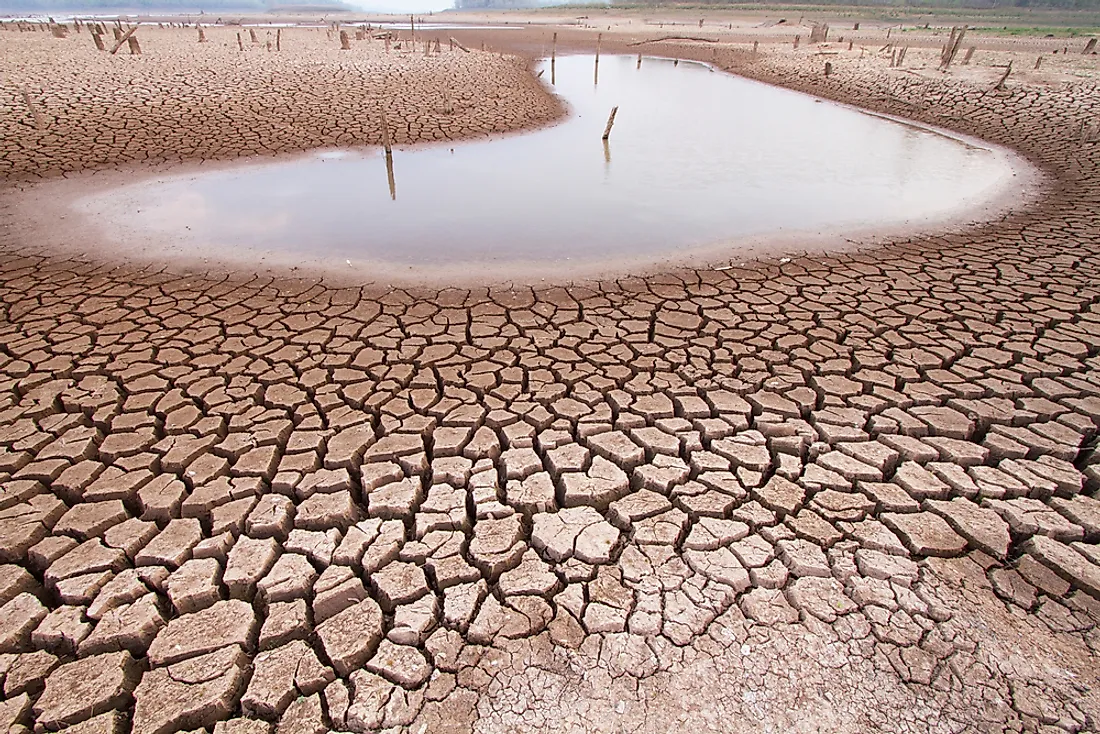
Journalism in East Africa faces an uphill battle when reporting on extreme weather, shifting from simple disaster updates to deep investigative pieces on adaptation. When media outlets like the Daily Nation chronicle rural transformations, they highlight a fundamental shift: farming communities are moving away from reactive aid dependence and toward long-term soil health, water harvesting, and indigenous crop revival.
This transition doesn't happen overnight. It requires local reporting that digs past surface-level drought statistics to examine structural changes in how smallholders manage land. Understanding how public interest narratives shape environmental policy reveals much about the mechanics of modern agricultural survival.
The Shift from Crisis Reporting to Solution Journalism
Traditional media coverage of rural Kenya often relied on predictable cycles. A dry spell hits, crop failures mount, and emergency relief appeals run on front pages. While urgent, this reactive loop fails to give readers a roadmap for survival.
Modern editorial strategies prioritize solutions-oriented journalism. Reporters track how cooperatives implement rainwater harvesting systems, test drought-tolerant seed varieties, and restore degraded rangelands. This approach reframes farmers from helpless victims of weather patterns into active participants in ecological management.
- Tracking grassroots adaptation: Stories focus on what works on small plots, not just sweeping government pronouncements.
- Demystifying technical data: Journalists translate complex meteorological updates into actionable planting schedules for rural audiences.
- Holding institutions accountable: Investigative desks monitor whether climate finance actually reaches grassroots cooperatives.
Core Pillars of Sustainable Agriculture in Semi-Arid Zones
Roughly 80 percent of Kenya's landmass consists of arid and semi-arid lands, leaving millions of households vulnerable to erratic rainfall. Sustainable farming in these regions relies on specific, low-cost interventions rather than expensive imported machinery.
Water Harvesting and Conservation
Rainfall is often erratic rather than entirely absent. Capturing what does fall makes the difference between a harvest and total crop failure. Farmers construct shallow pans, farm ponds, and zai pits—small planting basins that concentrate moisture and organic matter around individual crop roots.
- Zai pits: Retain precious rainwater and compost directly where the plant needs it most.
- Fianco trenches: Slow down surface runoff, allowing water to infiltrate deeply into parched soils.
- Drip irrigation kits: Low-pressure gravity systems reduce evaporation losses compared to traditional flood irrigation.
Soil Regeneration and Cover Cropping
Decades of intensive tilling stripped local soils of organic carbon, leaving them prone to wind erosion and crusting. Regenerative methods replace chemical-heavy inputs with biological alternatives. Minimal tillage prevents the breakdown of fragile soil structures, while planting nitrogen-fixing cover crops keeps the earth shaded and biologically active.
According to the Ministry of Agriculture and Livestock Development, scaling these practices requires integrating traditional knowledge with modern agronomic science. Local newspapers serve as the primary bridge, publishing field notes from successful pilot projects so neighboring communities can replicate them.
The Role of Indigenous Crops and Agrobiodiversity
Relying entirely on imported maize varieties in regions with unpredictable rainfall invites disaster. Maize demands steady moisture during tasseling, making it a high-risk gamble during prolonged dry spells.
Newspapers covering rural adaptation increasingly spotlight the return of native crops like sorghum, millet, and indigenous root vegetables. These plants evolved alongside local climatic extremes. They require less fertilizer, withstand intense heat, and store well after harvest.
- Nutritional resilience: Traditional grains offer higher micronutrient density than standard maize meal.
- Market demand creation: Media features help destigmatize traditional foods, turning them into high-value cash crops in urban supermarkets.
- Seed sovereignty: Farmer-managed seed banks protect rural communities from corporate supply chain shocks and rising seed costs.
Challenges Facing Agricultural Journalism
Reporting on sustainable farming comes with distinct professional hurdles. Newsrooms face tight budgets, and travel to remote rural counties requires dedicated resources that many media houses struggle to maintain.
Another challenge involves avoiding greenwashing by corporate entities or political actors looking for easy public relations wins. Journalists must verify whether a showcased "climate-smart" project actually improves livelihoods or merely serves as a photo opportunity for visiting dignitaries. Maintaining editorial independence ensures that systemic failures—such as delayed fertilizer distribution or broken irrigation infrastructure—receive as much attention as local success stories.
Frequently Asked Questions
What is climate-smart agriculture?
It is an integrated approach to managing landscapes—cropland, livestock, forests, and fisheries—that addresses the twin challenges of food security and climate change through adaptation and mitigation.
Why are indigenous crops better suited for drought?
Native varieties like finger millet and sorghum have deeper root systems, shorter growing cycles, and higher physiological tolerance to heat stress compared to imported commercial staples.
How do local newspapers influence farming practices?
By highlighting peer-to-peer success stories, newspapers provide practical blueprints that neighboring communities can adapt, lowering the barrier to entry for new farming techniques.
What is conservation agriculture?
It is a farming system based on three core principles: minimum soil disturbance, permanent organic soil cover, and crop diversification through rotations or intercropping.


