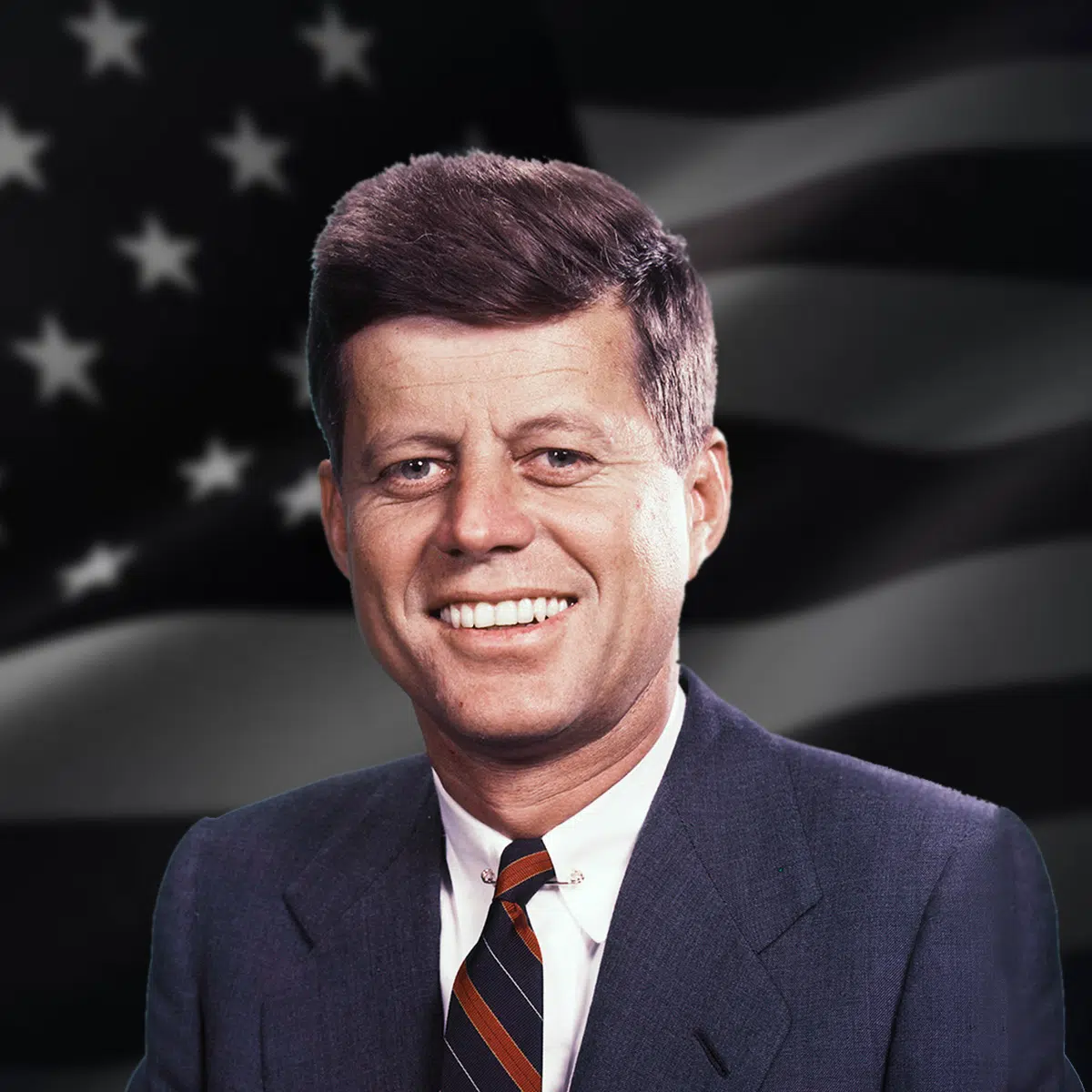
Lisa Kennedy Montgomery, known professionally simply as Kennedy, has spent decades shaping political commentary through a distinct lens. Born on September 8, 1972, the prominent Libertarian pundit, author, and former MTV VJ remains a sharp presence in modern broadcasting. Audiences often track the Kennedy commentator age milestones to understand how her career evolved from the alternative music scene of the 1990s into serious, sharp-edged political discourse across major television networks.
Her longevity in media isn't an accident. It's the result of adapting to shifting cultural landscapes without losing the irreverent edge that first defined her on MTV's Alternative Nation. Long before digital platforms fragmented the news cycle, she was already translating complex social issues into accessible television segments. As the media environment transformed, her ability to pivot across formats kept her relevant while many of her peers faded from the screen.
From MTV to Late-Night Political Satire
The trajectory of her career highlights a rare media crossover. Most television personalities get locked into a single genre, but she transitioned fluidly from music journalism to hard-hitting financial and political commentary.
- Starting on MTV in the mid-1990s, she interviewed major rock musicians and covered youth counterculture.
- She published her first book, The Kennedy Chronicles: The Golden Age of MTV Through Hard Times and What I Learned Along the Way, detailing her experiences in broadcast media.
- She moved into radio and later anchored programs on Fox Business, including her self-titled evening show Kennedy.
This background shaped her distinct voice. She didn't come up through traditional congressional reporting lines. Instead, she entered political commentary through the backdoor of pop culture and media satire. That early grounding gave her a unique vantage point on how media shapes public perception, allowing her to dissect policy debates with a cultural awareness that standard pundits often miss.
Defining Political Discourse in a Polarized Era
Modern cable news thrives on manufactured outrage and predictable partisan talking points. Political commentators often fall into rigid camps, reading from ideological scripts designed to stroke viewer biases. Yet, her commentary cuts through that noise because she leans heavily into her libertarian roots—skeptical of government expansion, critical of fiscal overreach, and socially independent.
Viewers tuning into her shows don't get a standard left-versus-right shouting match. They get an interrogation of policy mechanics. Whether she's discussing inflation, housing shortages, or tech regulation, she frames debates around individual liberty and economic freedom. This approach appeals to audiences exhausted by partisan cheerleading. Her commentary demonstrates that viewers respect consistency, even when they disagree with the underlying ideology.
The Evolution of Broadcast Punditry
The media ecosystem of the 1990s bears little resemblance to today's landscape of podcasts, streaming networks, and hyper-targeted social media clips. Commentators who survived this transition had to reinvent their delivery. Traditional gatekeepers lost their monopoly on news distribution, forcing pundits to build direct relationships with their audiences.
She adapted early to this multi-platform reality. By maintaining an active digital footprint and engaging with viewers across various online channels, she secured her relevance outside the traditional television studio. This flexibility explains why her commentary still resonates. She understands that contemporary political discourse happens in real-time across decentralized digital networks, not just during designated evening broadcast slots.
Common Misconceptions About Career Longevity in Media
Observers often misunderstand how public figures maintain long careers in television. People assume longevity comes from avoiding controversy or bending to network executives. In reality, staying power in political commentary usually stems from the opposite: distinct positioning and authentic conviction.
- Myth: Pundits must stay completely neutral to survive. Reality: Audiences reward clear viewpoints, provided the commentator backs them up with logical arguments and factual context.
- Myth: Television success translates automatically to digital formats. Reality: Commentators who fail to understand online culture and direct audience engagement quickly lose their cultural footprint.
- Myth: Age diminishes a commentator's authority. Reality: In political analysis, accumulated historical context and interviewing experience provide a deeper baseline for evaluating current events.
Frequently Asked Questions
How old is the commentator Kennedy?
Lisa Kennedy Montgomery was born on September 8, 1972. You can read more about her background on her Wikipedia profile.
What network is Kennedy currently on?
She has spent significant time as a host and contributor on Fox Business and Fox News, alongside various digital and podcast ventures. Financial details and career summaries are tracked on platforms like Celebrity Net Worth.
What is her political ideology?
She identifies primarily as a libertarian, advocating for free markets, individual liberty, and skepticism toward government intervention in personal and economic matters.
Did she really work for MTV?
Yes. During the 1990s, she served as a prominent host for MTV, most notably anchoring Alternative Nation, before transitioning into political commentary and news broadcasting.


