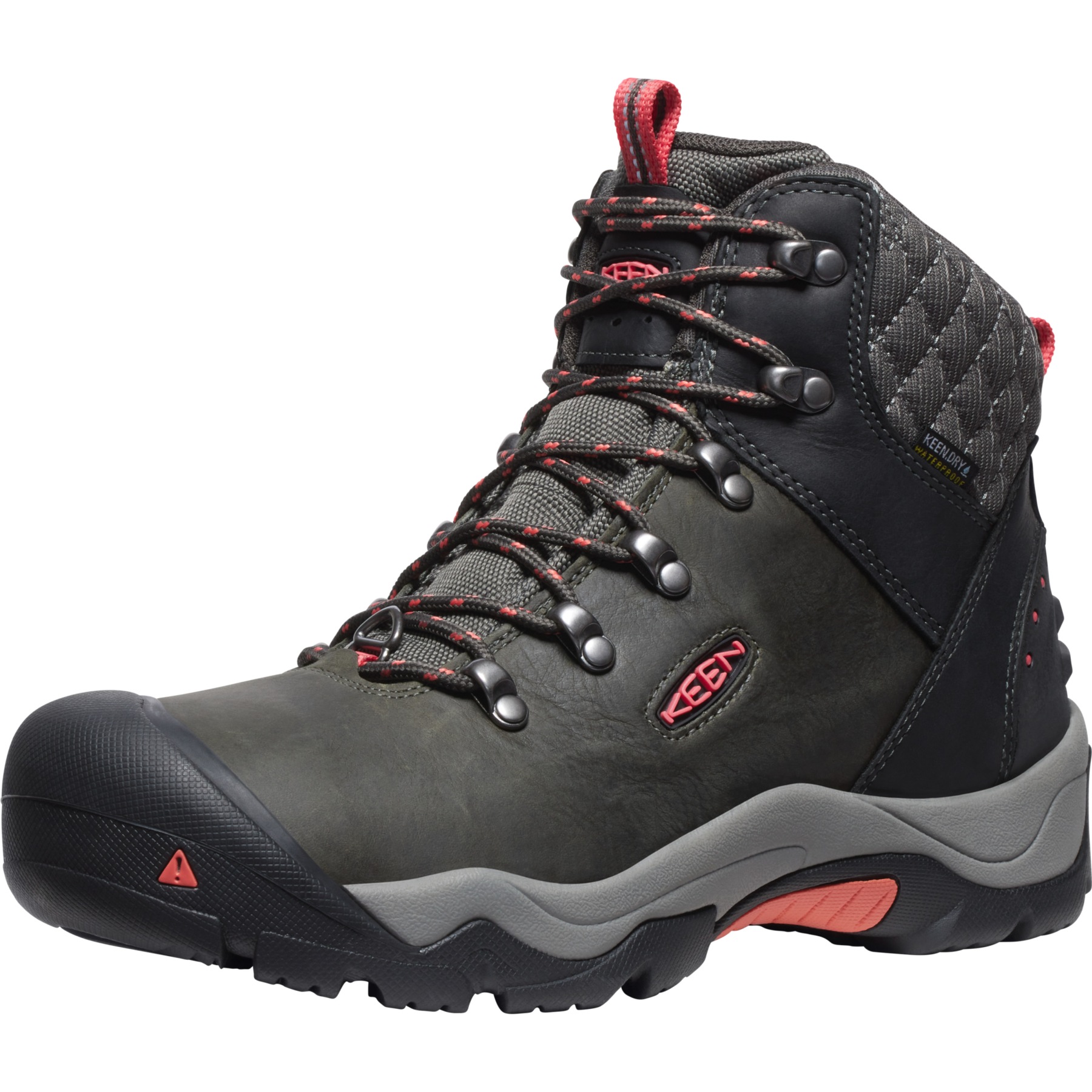
When you need footwear that bridges the gap between a rugged hiking shoe and an open-air water sandal, the original hybrid design remains a dominant choice. Two decades after shaking up outdoor retail, these closed-toe sandals still polarize buyers who want maximum foot protection without melting on hot summer trails. Whether you're planning a multi-day river trip or looking for a sturdy travel companion, understanding how they actually perform in the field prevents costly sizing mistakes and broken expectations.
The short verdict is that this footwear functions like a tank for your feet. It trades lightweight minimalism for industrial-grade toe protection, heavy-duty traction, and a supportive platform that handles jagged riverbeds better than any standard strap sandal. If you hate rocks sliding under your soles or stubbing your toes on underwater roots, this design solves those exact frustrations.
Design and Construction Details
The defining feature of this model is the patented rubber toe bumper. Unlike traditional sandals that leave your digits exposed to stray stones, this thick rubber cap wraps entirely around the front, absorbing heavy impacts when you kick against hidden obstacles.
Underneath, the outsole features razor siping—small, wave-like slits cut into the rubber. This detail channels water away from the contact patch, dramatically improving grip on slick, wet river rocks.
- Upper materials: You can choose between washable waterproof leather (the classic version) or quick-drying polyester webbing (the H2 version).
- Midsole: Compression-molded EVA provides structured arch support and dampens impact on uneven terrain.
- Laughter/Lining: Hydrophobic mesh linings keep water moving away from skin to minimize friction.
- Closure system: A secure bungee lace-lock system lets you pull the upper tight or loosen it in seconds without tying knots.
Sizing and Fit Realities
Getting the right size on your first try is notoriously tricky with this brand. Many users report that standard sizing feels snug, particularly if your toes sit close to the front rubber bumper.
- The half-size rule: If you have average or wide feet, ordering a half-size up prevents your big toe from rubbing against the interior guard during steep descents.
- Width: The toe box is famously generous. If you struggle to find footwear that accommodates forefoot width or bunions, this roomy shape offers instant relief.
- Heel security: The adjustable bungee cord cinches the entire collar down, stopping your heel from lifting out when walking through thick mud or deep water.
On-Trail Performance and Limitations
On dirt paths and rocky river crossings, the thick sole shines. Torsional rigidity is higher than average for an open-air shoe, meaning the sole doesn't twist easily when you step on sharp, angled stones. This stability reduces ankle fatigue over long distances.
However, heavy-duty build quality introduces a distinct drawback: weight. Tipping the scales at over 14 ounces per shoe, they feel substantial compared to minimalist foam sandals. If you pack light for backpacking, strapping these to the outside of your pack adds noticeable heft.
- Debris management: Small pebbles can still enter through the side slits when you walk through deep sand or fine gravel. While they trap fewer rocks than open strap designs, you may occasionally need to pause and shake them out.
- Break-in period: Leather variants require a few days of wear to soften against bare skin, while the synthetic H2 variation feels flexible right out of the box.
Maintenance and Long-Term Durability
Built like workhorses, these sandals often last for many years of heavy summer abuse. Because they get wet, muddy, and sweaty, proper care extends their lifespan significantly.
- Washing: Toss them into a cold, gentle machine wash cycle with mild detergent, then air dry them completely out of direct sunlight.
- Odor control: Synthetic linings featureCleansport NXT or similar probiotic treatments to break down odor compounds, but storing them damp in a dark gym bag will cause bacteria buildup. Always let them dry thoroughly.
- Sole wear: The carbon rubber outsoles resist abrasion well, though heavy friction on asphalt will eventually flatten the traction lugs after several seasons of constant use.
Frequently Asked Questions
Can you hike long distances in them?
Yes, many backpackers use them as reliable trail shoes or camp footwear. They provide enough arch support and underfoot protection for day hikes, though they lack the ankle support of a full hiking boot on technical terrain.
Should I choose leather or the synthetic H2 version?
Choose the synthetic H2 version if you plan to spend most of your time in and out of water, because it dries faster and handles constant soaking without stiffness. Choose leather if you prefer a softer lifestyle look for dry-land walking and casual travel.
Do they cause blisters when worn without socks?
When sized correctly, the hydrophobic mesh linings prevent chafing. However, if you purchase a pair that is too small, the edge of the webbing can rub against your skin during extended wet walks. Wearing thin wool or synthetic socks eliminates friction entirely during long mileage.
How do they compare to standard flip-flops or water shoes?
They offer vastly superior structural support, impact protection, and traction compared to flat water shoes or flimsy flip-flops. They perform closer to a ventilated trekking shoe than a casual beach slide.


