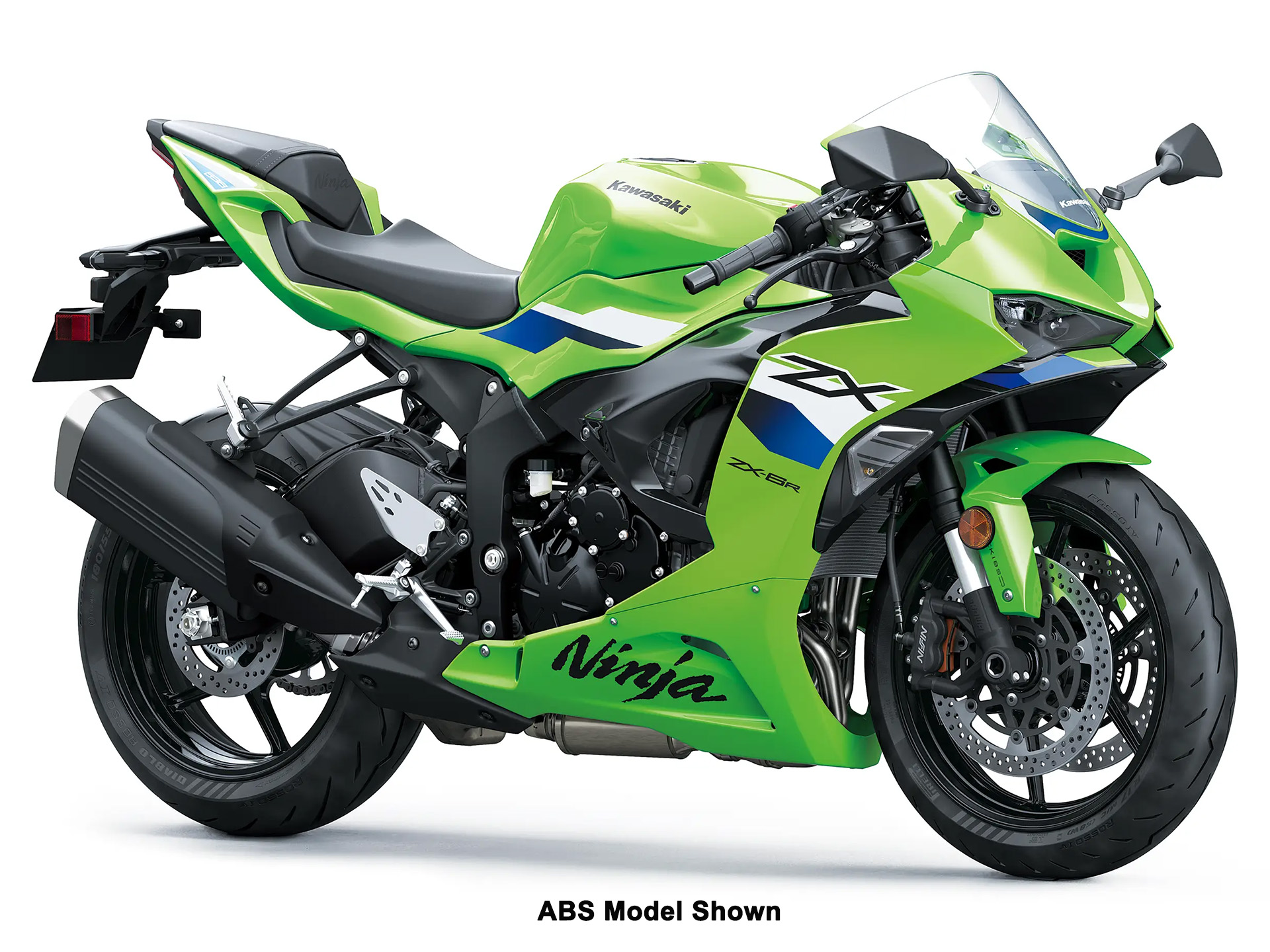
When you crack open the throttle on a Kawasaki KX85, you're dealing with a high-strung youth motocross machine built to move. Stock out of the crate, the Kawasaki KX85 top speed sits right around 55 to 65 miles per hour (roughly 88 to 105 kilometers per hour).
That velocity depends heavily on rider weight, final sprocket gearing, elevation, and track conditions. Because this bike is engineered for youth racers transitioning to big wheels, it punches well above its weight class. Let's break down the mechanics, gear ratios, and real-world factors that dictate how fast this two-stroke screamer actually runs.
Engine Power and the Two-Stroke Powerband
At the heart of the machine is an 84cc liquid-cooled, two-stroke single-cylinder engine. It pumps out roughly 28 to 29 horsepower at high RPMs, which is a massive amount of output for a chassis weighing just under 150 pounds.
Two-stroke engines don't deliver power smoothly across the entire rev range like four-strokes do. Instead, they feature a sharp powerband. Below 7,000 RPM, the bike feels docile and manageable. Once the power valve opens and you hit the upper registers—around 10,000 to 12,000 RPM—the engine comes alive instantly. That sudden hit is what propels riders to top speed in a hurry on straightaways.
- Displacement: 84cc
- Carburetion: Keihin PWK 28
- Transmission: 6-speed return
- Wet Weight: Approximately 143–150 lbs
How Gearing Changes the Top Speed
The stock sprocket setup on a KX85 is optimized for motocross tracks, meaning it favors quick acceleration out of tight corners rather than high-speed desert runs. If you leave the factory sprockets on, the bike tops out quickly in sixth gear, screaming at high revs.
Changing the final drive ratio alters this dynamic entirely. Dropping teeth on the rear sprocket or adding a tooth to the front countershaft sprocket lowers engine RPM at cruising speed, stretching out the gears.
- Stock Motocross Gearing: Prioritizes holeshot acceleration and mid-range punch. Top speed lands closer to 55 mph.
- Tall Gearing (Modified): If set up for open fields or flat tracks with aftermarket sprockets, experienced riders can push past 65 mph, though you sacrifice acceleration out of corners.
Real-World Factors Affecting Velocity
Catalog numbers rarely match what happens on a muddy track or sandy trail. Several variables shift the real-world top speed of this youth bike.
Rider Weight and Size
The KX85 is designed for adolescent racers typically ranging from 70 to 120 pounds. If an adult rider or a heavier teenager hops on, the extra load bogs down the small-displacement engine, reducing both acceleration and maximum velocity by a few miles per hour.
Terrain and Traction
Deep sand, mud, and heavy loam create rolling resistance that prevents the engine from reaching peak RPM in top gear. On hard-packed dirt or asphalt, the rear tire hooks up cleanly, allowing the bike to reach its theoretical peak speed much faster.
Maintenance and Jetting
Two-stroke performance relies heavily on precise air-fuel mixtures and clean top ends. A worn piston ring, a clogged Keihin carburetor jet, or fouled spark plugs will rob the engine of compression and horsepower, cutting your top end short.
Common Mistakes That Kill Performance
Riders looking to get the most out of their machine often make setup errors that hurt reliability and speed.
- Running incorrect pre-mix ratios: Using the wrong oil-to-gas ratio damages the cylinder walls and reduces compression over time. Always stick to the manufacturer guidelines and quality two-stroke oil.
- Neglecting power valve cleaning: Carbon buildup in the exhaust valve restricts movement, killing the top-end power hit.
- Ignoring chain slack: A loose or binding drive chain wastes valuable horsepower before it ever reaches the rear wheel.
Frequently Asked Questions
Is the Kawasaki KX85 good for beginners?
It's designed for experienced youth riders graduating from 65cc bikes. Because of the aggressive two-stroke powerband, it isn't recommended for absolute beginners who haven't mastered clutch and throttle control.
What is the difference between the KX85 and KX100?
The KX85 and KX100 share the same engine architecture and frame, but the KX100 features a larger bore, a stroked crankshaft, and bigger wheels (19-inch front, 16-inch rear compared to the 17/14 setup on the standard KX85). This makes the KX100 slightly taller and faster on top end.
How often does a KX85 need a top-end rebuild?
Because it runs at high RPMs to make power, the piston and rings experience rapid wear. Competitive racers usually swap the top end every 15 to 20 hours of ride time, while casual trail riders can stretch that window slightly further.
Can you trail ride a motocross bike like the KX85?
Yes, many riders use them for trail riding, but you have to manage engine temperatures carefully since they lack the large coolant reservoirs and electric fans found on trail-specific enduro models.



