Kathrina Miguel is carving a distinct path in contemporary fine arts through a multi-modal practice that blends cultural identity with mixed-media experimentation. As the art world shifts toward inclusive narratives and cross-cultural dialogue, emerging voices like Miguel's capture attention by challenging conventional boundaries between traditional motifs and modern conceptual frameworks. Her trajectory offers a clear look at how contemporary creators establish relevance in an increasingly crowded global market.
Understanding the rise of a modern fine artist requires looking past surface aesthetics into methodology, conceptual depth, and the mechanics of international exhibition. Let's examine how Miguel approaches her craft, the core tenets of her visual language, and what aspiring artists can learn from her trajectory.
The Foundations of a Multidisciplinary Practice
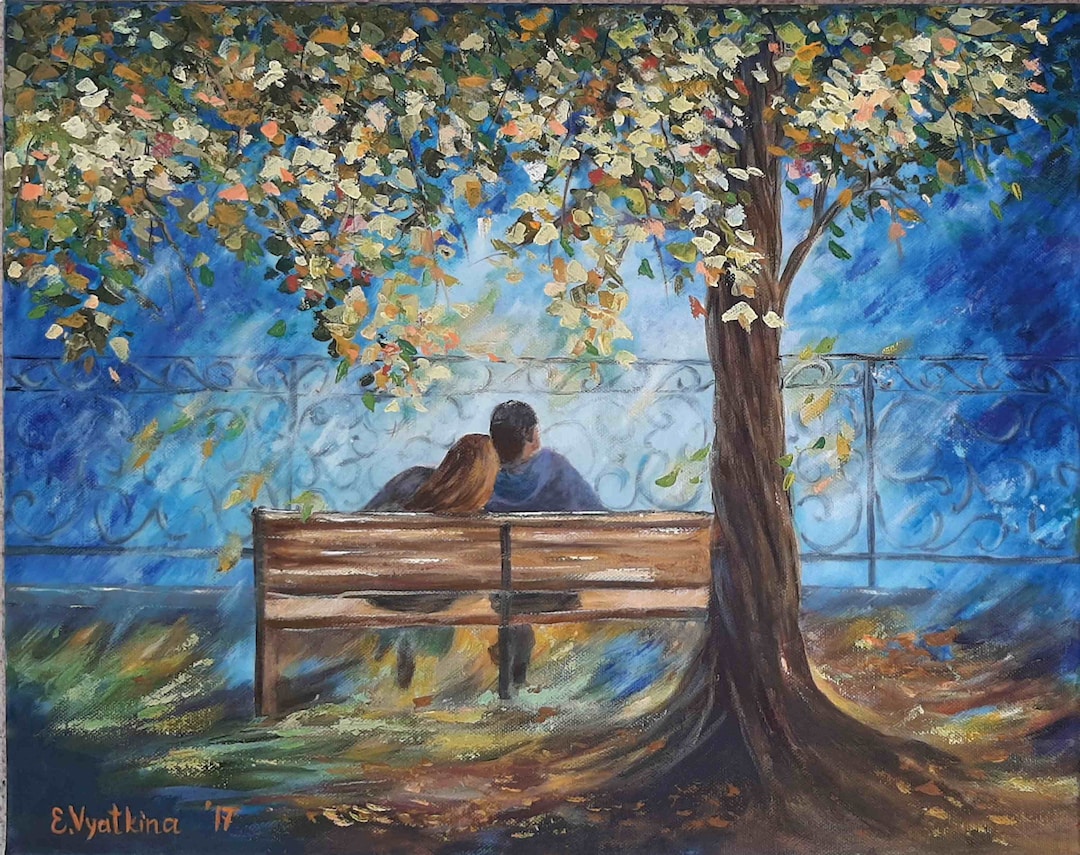
A defining characteristic of Miguel's work is her refusal to stay confined to a single medium. While many creators specialize early in painting or sculpture, her portfolio spans drawing, large-scale canvas works, and sculptural installations that incorporate everyday objects.
This multi-modal approach serves a specific conceptual purpose. By integrating found objects with classical painting techniques, she creates a visual tension between the ordinary and the monumental. Observers aren't just looking at a static composition; they're asked to decode an intertextual conversation about utility, memory, and material culture.
- Medium Flexibility: Moving fluidly between acrylic, charcoal, and physical assemblages.
- Material Appropriation: Using discarded or everyday items to ground abstract concepts in tangible reality.
- Process Transparency: Leaving visible brushstrokes and structural seams to emphasize hand-crafted authenticity over digital polish.
Core Themes in Miguel's Artwork
Her body of work frequently explores the intersections of heritage, personal identity, and modern psychological landscapes. Rather than treating culture as a static historical artifact, she treats it as a living, evolving grammar.
Exploring Cultural Identity
A central pillar of her critical acclaim stems from how she weaves traditional motifs into contemporary compositions. Vibrant color palettes and intricate pattern work often anchor her pieces, serving as visual nods to her roots. However, these elements don't appear as nostalgic clichés. Instead, they're deconstructed, juxtaposed against stark minimalism, or rendered in unconventional scales to question how heritage survives in a globalized digital society.
Conceptual Depth and Audience Engagement
Miguel has frequently noted in interviews that art should act as an inclusive, shared experience rather than an exclusive commodity. Her compositions invite viewers to project their own narratives onto the canvas. This participatory viewing model bridges the gap between high-concept academic art and emotional resonance, making complex socio-political themes accessible to broader audiences.
For context on how emerging international artists navigate global markets and institutional backing, review resources from organizations like the National Endowment for the Arts or cultural studies via UNESCO Culture.
Navigating the Contemporary Fine Arts Ecosystem
Breaking into the fine arts scene requires more than raw talent; it demands strategic navigation of galleries, residencies, and critical discourse. Miguel's growing footprint—with exhibitions spanning parts of Asia, North America, and Europe—highlights several practical lessons for emerging creators:
- Build a Cohesive Visual Vocabulary: Galleries don't just look for individual striking pieces; they look for a signature voice that remains recognizable across different mediums.
- Embrace International Platforms: Participating in cross-border group shows helps artists test how their cultural narratives translate to foreign audiences.
- Prioritize Conceptual Rigor: Technical skill is table stakes. The artists who gain long-term traction are those who can articulate why their work matters within contemporary critical discourse.
To dive deeper into the economics and curation of modern galleries, you can explore guidelines provided by the College Art Association.
Common Misconceptions About Emerging Artists
When public profiles and regional features spotlight rising talents, several myths often circulate about how the art market operates. Clearing these up helps set realistic expectations for anyone tracking the industry.
- Myth: Overnight Success: Media spotlights often make an artist's rise look sudden. In reality, years of silent studio experimentation, failed submissions, and small local shows precede international recognition.
- Myth: Medium Purity: Many assume fine art must strictly adhere to traditional categories like oil on canvas. Modern institutions increasingly celebrate cross-disciplinary hybrids that defy traditional classification.
- Myth: Geographic Isolation: While local culture heavily influences an artist's perspective, digital infrastructure means creators no longer need to reside in traditional art capitals like New York or Paris to gain global visibility.
Frequently Asked Questions
What mediums does Kathrina Miguel primarily use?
She employs a multi-modal approach, frequently combining painting, drawing, and mixed-media installations that incorporate found or everyday objects.
Where has her artwork been exhibited?
Her work has reached international audiences through exhibitions spanning regions in the United States, Europe, and Asia.
What are the primary themes in her art?
Her pieces heavily explore Filipino cultural identity, traditional heritage fused with modern motifs, and the psychological relationship between the individual and contemporary society.
How do emerging fine artists gain international recognition?
Sustained growth typically relies on a combination of conceptual consistency, cross-border exhibition participation, and building a distinct visual language that resonates across diverse cultural contexts.