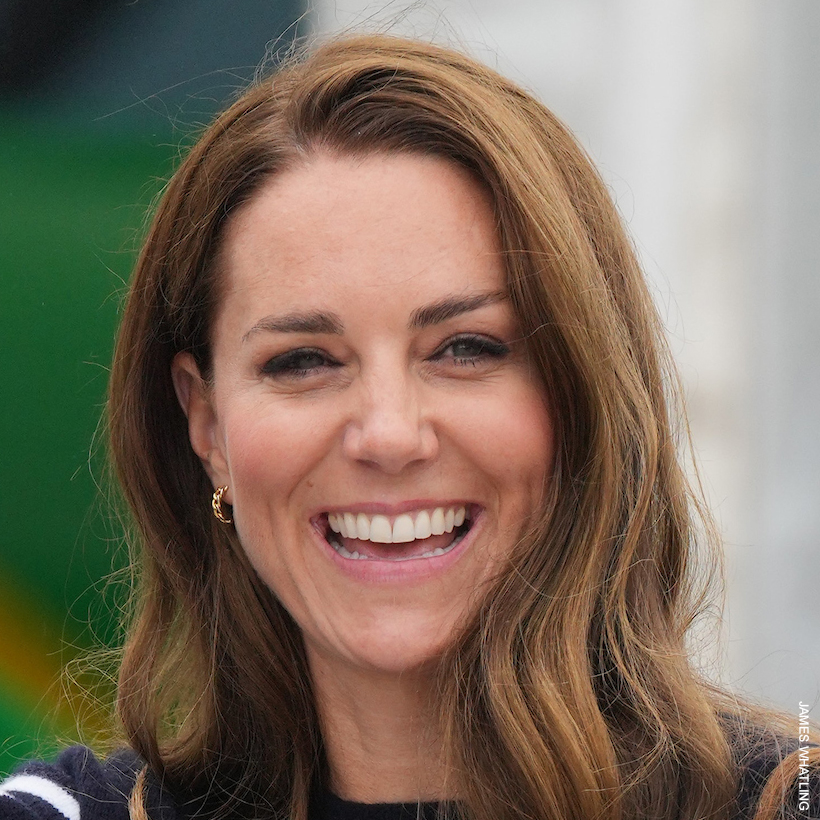
When Prince William ascends to the British throne, Catherine, Princess of Wales, will step into the role of Queen. Unlike sovereigns who inherit the crown by birthright, her path to the throne runs through marriage rather than the official line of succession. Public expectation places heavy weight on her shoulders, viewing her as a stabilizing anchor for the House of Windsor. Yet, her constitutional position remains distinct, carrying specific duties, ceremonial traditions, and legal boundaries.
The British constitutional framework separates the reigning sovereign from a consort. While William will hold executive royal powers as King, Catherine's title will be Queen Consort, sharing the sovereign's station symbolically without possessing independent constitutional reign. Understanding how this dynamic operates requires looking past tabloid headlines into centuries of royal precedent, modern public expectations, and the practical realities of the modern monarchy.
Constitutional Status and the Line of Succession
People often wonder why Catherine isn't technically listed in the official line of succession. The answer lies in historical law. Under the Act of Settlement 1701 and subsequent updates, succession is strictly restricted to the direct descendants of Sophia of Hanover. Because Catherine married into the family rather than being born into royal blood, she holds no independent dynastic claim to rule.
If William were to predecease her, she wouldn't inherit the crown. Instead, the throne would pass directly to their eldest child, Prince George. When William becomes King, custom dictates that Catherine will be crowned alongside him in a ceremony at Westminster Abbey. Historically, consorts share the royal title and style of "Majesty," which distinguishes them from blood royals while cementing their high-ranking status in the royal household.
- Line of Succession: Restricted strictly to blood descendants of the monarch.
- Consort Status: Granted through marriage to the reigning sovereign.
- Crowning Ceremony: Typically involves an anointing and crowning alongside the monarch.
Evolution of Public Expectation
Public sentiment toward the monarchy has shifted dramatically over recent decades. Modern audiences expect transparency, charitable impact, and relatable public figures. Catherine has spent years cultivating an image centered on stability, early childhood development, and quiet resilience. Observers frequently note that public confidence in the future of the institution relies heavily on her steady public presence.
This public expectation creates a unique pressure. Unlike past consorts who focused primarily on patronage and hosting state banquets, future queens must navigate relentless media scrutiny and digital-era public relations. Her initiatives, such as the The Royal Foundation Centre for Early Childhood, demonstrate a strategic shift toward long-term, evidence-based advocacy rather than traditional ribbon-cutting duties.
Day-to-Day Constitutional Duties
The role of a queen consort is strictly non-political. The British constitution bars the monarch and their immediate family from engaging in partisan politics, voting, or expressing public opinions on legislative matters. Catherine's work operates entirely within these boundaries.
Her daily responsibilities focus on three main pillars:
- Supporting the Sovereign: Acting as chief companion and supporter to the King during state visits, diplomatic receptions, and national ceremonies.
- Patronage and Advocacy: Lending her platform to dozens of charitable organizations, focusing heavily on mental health, addiction support, and pediatric development.
- Soft Diplomacy: Representing the United Kingdom abroad to foster international relations and cultural ties during foreign tours.
Common Misconceptions About the Role
Misunderstandings about royal titles and legal powers crop up frequently in public discussions. Clearing these up provides a clearer picture of how the monarchy actually functions under UK law.
Many assume a queen consort holds executive political power. In reality, the monarch and their inner circle possess zero legislative authority. Every royal action, speech, and public engagement is coordinated closely with the government of the day. Another frequent mix-up involves the regnal numbering system. While King William V will carry a regnal number, Catherine will simply be known as Queen Catherine or Queen Consort without a numerical suffix.
- Myth: She can inherit the throne if the King dies.
- Fact: The crown passes directly to the eldest child in the line of succession.
- Myth: She has a vote in British parliament.
- Fact: Royals remain strictly neutral and do not vote or participate in political debates.
- Myth: Her title grants her official legal governance powers.
- Fact: The role is ceremonial and diplomatic, devoid of executive state authority.
Frequently Asked Questions
Will Catherine be called Queen or Queen Consort?
Officially, her constitutional title will be Queen Consort, but in everyday public life, she will be addressed simply as Queen Catherine, much like previous royal consorts throughout British history.
Can a queen consort rule the country?
No. Consorts do not possess sovereign constitutional powers. If a monarch is incapacitated, state mechanisms such as Counsellors of State handle official duties according to the Royal Family official guidelines.
How does Catherine prepare for her future role?
Her preparation involves decades of shadowing senior royals, executing international diplomatic tours, managing high-profile patronages, and balancing public duties with raising future heirs.
Does Catherine receive a salary for her royal work?
Members of the royal family do not receive a traditional salary. Their official duties and public lifestyle are funded through the Sovereign Grant and the Duchy of Cornwall estate, which supports the Prince and Princess of Wales.