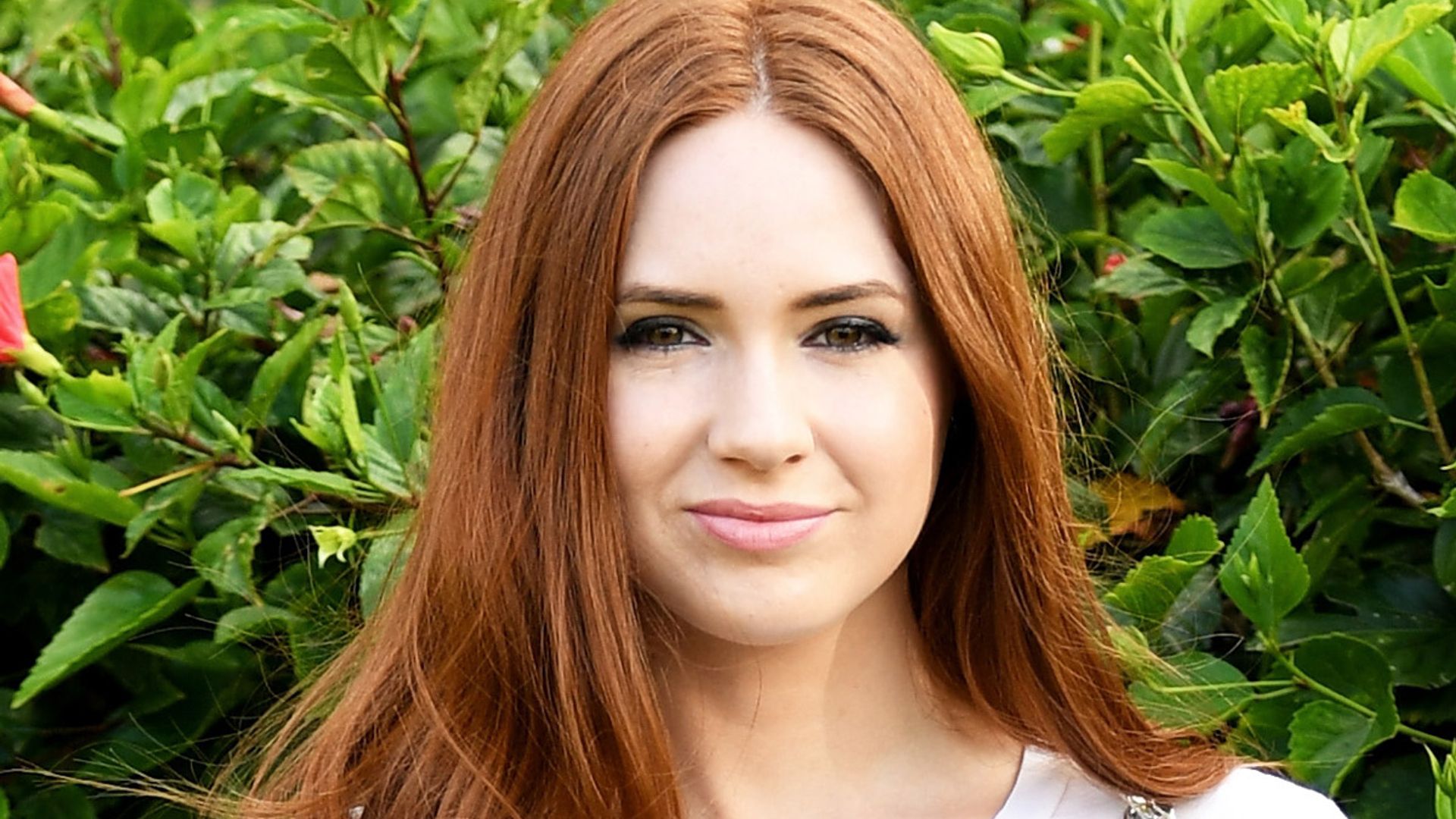
Karen Lynn Gorney is best known for starring as Stephanie Mangano opposite John Travolta in the 1977 cultural phenomenon Saturday Night Fever. While many viewers remember her as the sharp-tongued dance partner who challenged Tony Manero, her creative footprint extends far across television soap operas, independent cinema, stage productions, and jazz music.
Born in Beverly Hills into an artistic family—her father Jay Gorney co-wrote the Great Depression anthem "Brother, Can You Spare a Dime?"—she carved out a distinct path rooted in New York's rigorous theater community. She didn't stay boxed into a single iconic 1970s character. Instead, she continuously reinvented her artistic output across decades.
Early Life and Formal Training
Growing up surrounded by songwriting and performance, Gorney pursued formal artistic training rather than relying solely on early exposure to Hollywood. She attended the High School of Performing Arts in New York City, laying a strong foundation for both dramatic acting and musical performance.
She later earned a Bachelor of Fine Arts from Carnegie Mellon University followed by a Master of Fine Arts from Brandeis University. This heavy academic and theatrical grounding equipped her for a diverse career that shifted fluidly between stage, daytime television, and feature films. Her early professional breakthrough came in 1962 with a role in the feature film David and Lisa, establishing her ability to handle complex emotional material at a young age.
Breakthrough Roles: All My Children and Saturday Night Fever
Gorney became a household name through two major projects during the 1970s.
Tara Martin on All My Children
From 1970 to 1974, Gorney played Tara Martin on the hit daytime soap opera All My Children. Her portrayal of Tara won over daytime television audiences and established her presence in living rooms across America. She later returned to the role intermittently during subsequent decades, maintaining a steady connection to the soap opera community that launched her broader television career.
Stephanie Mangano in Saturday Night Fever
In 1977, director John Badham cast Gorney as Stephanie Mangano in Saturday Night Fever. As the ambitious Manhattan office worker who looks down on Brooklyn disco culture yet enters a high-stakes dance partnership with Tony Manero, Gorney delivered a grounded performance that balanced vulnerability with fierce independence.
The film turned into a historic box-office smash and defined an entire era of pop culture. Her character's refusal to be easily won over by Travolta's character gave the gritty drama emotional weight. Even as disco fever swept the globe, Gorney remained selective about how she leveraged that sudden stardom.
Career Hiatus and Artistic Reemergence
Following the intense global spotlight of Saturday Night Fever, Gorney stepped away from mainstream Hollywood for a period. During this hiatus, she managed an art gallery in Manhattan, immersing herself in the visual arts and keeping a low profile away from tabloid culture.
She returned to acting in the early 1990s, taking on character roles in film and television. Her later screen credits demonstrate an impressive versatility, including appearances in:
- The Hard Way (1991)
- Law & Order (multiple guest roles in 1992 and 1998)
- Ripe (1996)
- The Sopranos (1999)
- Six Degrees (2006)
- Somewhere in Queens (2022)
Rather than chasing leading ingenue parts, she transitioned smoothly into distinctive character work, indie films, and television guest spots.
Stage Work and Shakespearean Productions
Theater remained a central pillar of Gorney's career. She spent decades performing in New York City's vibrant off-Broadway and regional theater scenes.
She became a founding member of The Frog and Peach Theatre Company, tackling demanding classical roles such as Constance in King John, Elizabeth in Richard III, and Gertrude in Hamlet. Her stage repertoire also featured contemporary and historical dramas, including performances with the Irish Repertory Theatre. By grounding herself in live theater, she maintained sharp technical control over her craft long after her breakout cinematic moments.
Musical Career and Discography
Music has been an ongoing creative outlet for Gorney, heavily influenced by her father's songwriting legacy. She transitioned into a accomplished jazz vocalist, performing in intimate clubs and cafes.
She released several independent albums, including:
- Used to Love You Madly (2005)
- Hot Moonlight! (2008)
- The Dance of the Deadly's
Her album Hot Moonlight! featured jazz interpretations and paid direct tribute to her father's musical catalog, receiving positive notice internationally.
Frequently Asked Questions
Did Karen Lynn Gorney do her own dancing in Saturday Night Fever?
Yes, Gorney underwent intense dance training alongside John Travolta for several months prior to filming. While professional doubles were used for some of the more complex physical lifts and specialized choreography, Gorney and Travolta performed the primary dance sequences together on screen.
Why did Karen Lynn Gorney leave All My Children?
Gorney left her original run on All My Children in 1974 to pursue other film and theatrical opportunities, though she later returned for brief guest appearances and temporary contract stints in the decades that followed.
Is Karen Lynn Gorney related to Jay Gorney?
Yes, she is the daughter of Jay Gorney, the renowned composer best known for writing the music to the 1932 standard "Brother, Can You Spare a Dime?".
What is Karen Lynn Gorney's primary focus today?
In recent years, Gorney has continued to work selectively in independent feature films, record and perform jazz music, and participate in retrospective events celebrating classic 1970s cinema.


