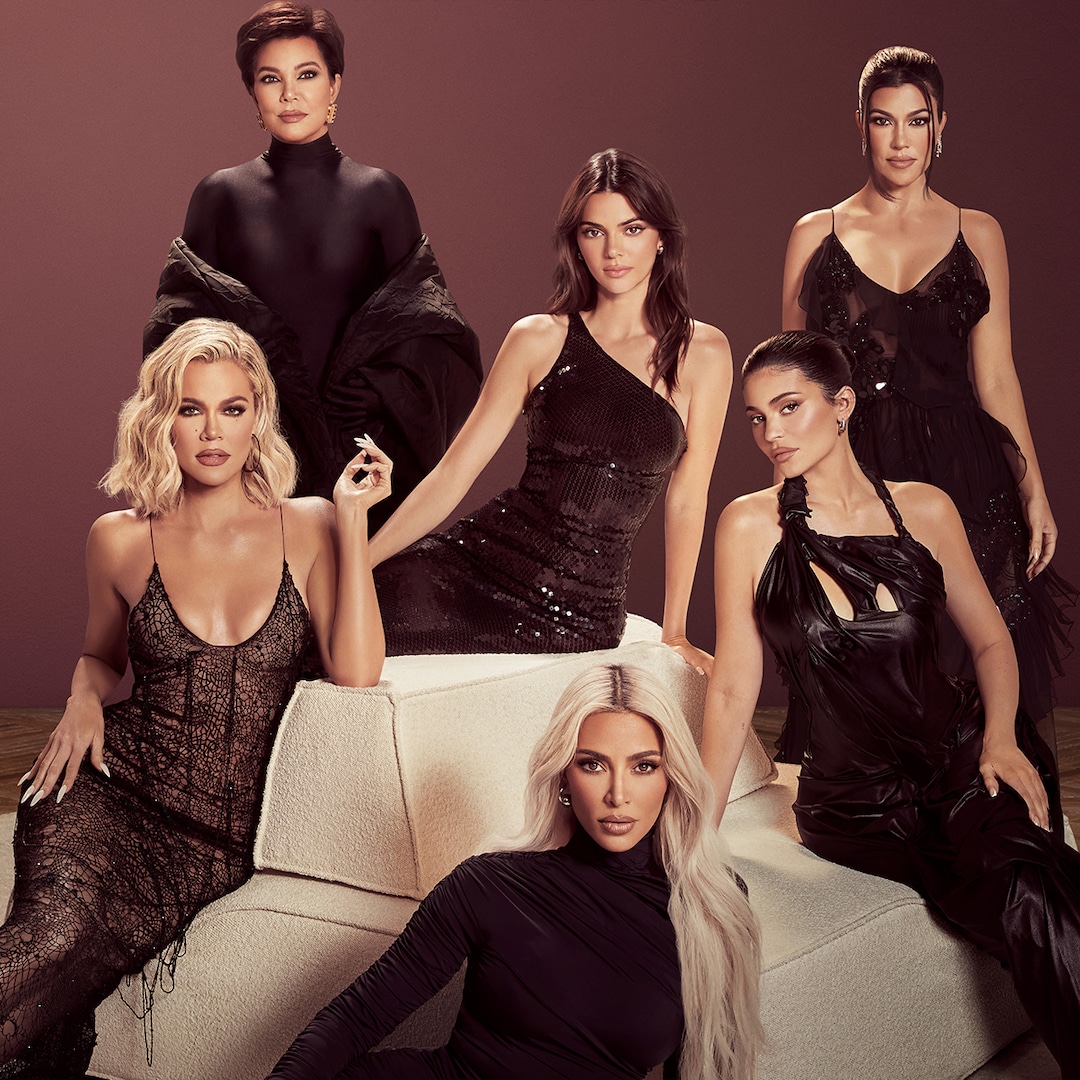
When Keeping Up with the Kardashians premiered on E! in late 2007, critics dismissed it as a fleeting distraction born from the tabloid frenzy of the mid-2000s. Instead, that raw, unscripted domestic setup transformed into a cultural blueprint. Over nearly two decades, the family shifted the mechanics of fame, turning personal visibility into an agile corporate engine. They didn't just participate in modern media—they rewrote how public identity translates into economic and social power.
At its core, the Kardashian phenomenon redefined celebrity by removing the traditional gatekeepers of Hollywood. Before reality television democratized access, stars relied on studio PR teams, magazine covers, and cinematic releases to control their narrative. The Kardashian-Jenner household traded that polished distance for round-the-clock proximity. By broadcasting family dinner arguments, personal vulnerabilities, and mundane suburban routines, they forged a parasocial bond with viewers that felt unprecedented. That radical transparency became their primary asset, generating the trust and attention required to launch multi-billion-dollar enterprises.
The Reality TV Foundation and the Death of Traditional PR
The brilliance of the early television model wasn't just the drama; it was the vertical integration of attention. Traditional celebrities spent decades trying to protect their privacy while promoting a project. The Kardashians flipped the formula: their everyday lives were the project.
By inviting cameras into their homes, they bypassed traditional press junkets and morning show interviews. If a tabloid fabricated a damaging rumor, the family didn't wait for a publicist to issue a statement. They addressed it on the next episode or shared their side directly via burgeoning social media platforms. This real-time narrative control cut out middleman journalism. Fans felt they were getting the unfiltered truth, even as the production machine carefully shaped every storyline.
As social media platforms like Instagram and Twitter gained dominance in the early 2010s, the family mastered digital distribution before legacy brands even understood the landscape. They treated their follower counts as proprietary metrics of influence. Every post, outfit, and public appearance served as a real-time market test. When millions of viewers watched them debate clothing choices or makeup routines on screen, those visual moments turned into instant consumer demand.
Monetizing Visibility: From Endorsements to Direct-to-Consumer Empires
Early celebrity monetization relied on licensing deals—lending a famous name to a fragrance or clothing line in exchange for a modest royalty. The Kardashians realized this left billions on the table. They transitioned from rented influence to direct ownership, pioneering the modern influencer-founder model.
The watershed moment arrived when Kylie Jenner launched her direct-to-consumer cosmetics company, leveraging her massive Instagram audience to bypass traditional retail distribution. By dropping limited-quantity inventory directly to her followers, she generated millions in minutes without spending heavily on conventional advertising. This approach proved that digital attention could be converted into inventory velocity faster than any legacy beauty conglomerate could manufacture products.
Following this playbook, Kim Kardashian built a shapewear and loungewear brand that prioritized inclusive sizing and direct digital marketing, disrupting an industry long dictated by narrow beauty standards. Rather than acting as mere muses for luxury fashion houses, they became the architects of entire consumer sectors. They understood that modern consumers don't just want to buy a product endorsed by a star; they want to buy into the lifestyle, aesthetic, and values that the star projects.
According to data reported by Forbes, this shift in operational strategy propelled individual family members into billionaire and multi-millionaire status, cementing a financial legacy independent of television network ratings. Even as linear television viewership declined, their transition to streaming platforms like Hulu ensured that their visual footprint remained uninterrupted, adapting instantly to shifting media consumption habits.
Navigating Cultural Backlash and Saturation
Building an empire on omnipresence carries unique risks. The very strategy that powered their rise—monetizing every corner of personal life—invites intense scrutiny and fatigue. Critics frequently point out how the family's curated aesthetic reshaped global beauty standards, contributing to hyper-edited body ideals and a hyper-commercialized digital culture that impacts young audiences.
Furthermore, maintaining relevance requires constant reinvention. When a family's brand is tied to personal identity, any shift in public sentiment or cultural values can threaten the entire enterprise. To counter fatigue, individual members diversified their focus. Some stepped back from daily television production to concentrate on legal reform, high-fashion creative direction, or private equity investments. This strategic compartmentalization ensured that the broader brand didn't rely solely on a single reality television format to stay culturally dominant.
Frequently Asked Questions
How did Keeping Up with the Kardashians change reality television?
It shifted the genre away from competitive elimination shows or manufactured talent contests toward docuseries centered entirely on celebrity family dynamics and lifestyle branding, proving that everyday personal narratives could sustain a multi-decade television franchise.
Are the Kardashians still involved in traditional television?
While their original run on E! ended, they transitioned to a streaming docuseries format on Hulu, which allows for higher production values, shorter production cycles, and tighter control over their public narrative.
How do they maintain their massive net worths?
Beyond television contracts, their primary wealth stems from direct-to-consumer business ventures in beauty, shapewear, fashion collaborations, venture capital investments, and high-value social media endorsements.
What is the primary criticism of their cultural impact?
Critics often argue that their pervasive media presence has promoted unrealistic beauty standards, hyper-materialism, and a commodified approach to personal identity that influences younger generations through social media.



