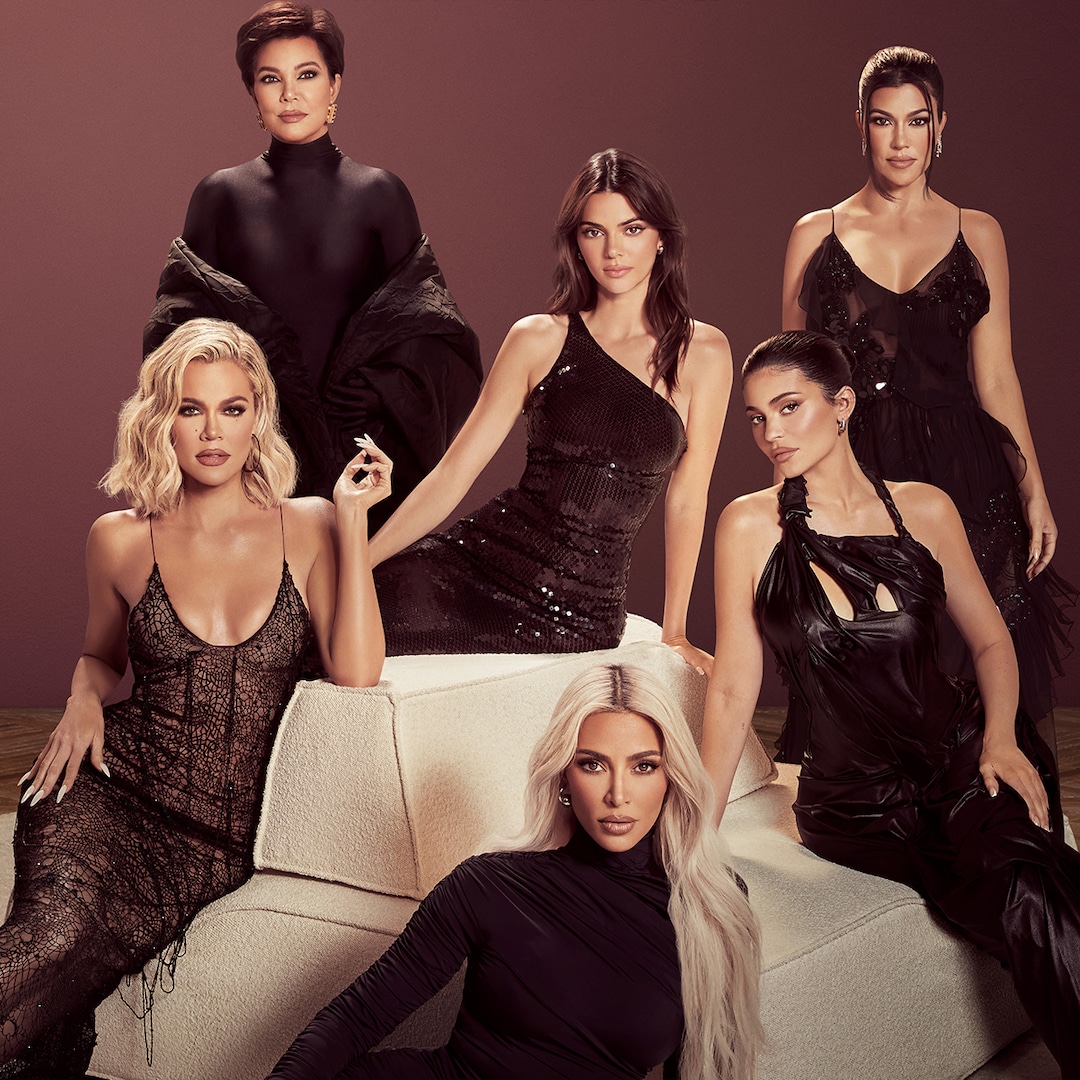
The surname Kardashian originates from the Armenian root word qartash (քարտաշ), which translates directly to stonemason or stone cutter. Far from ancient royal shields or European nobility, the family's linguistic roots trace back to hardworking artisans and craftsmen from the Armenian highlands of the former Russian Empire and the Ottoman Empire.
Understanding the true background of this globally recognized moniker requires looking past internet myths and examining actual genealogical records. From their ancestral roots in rural villages to their emergence as a powerful modern brand, the evolution of the Kardashian name offers a fascinating look at immigrant resilience and cultural identity.
Linguistic Roots: Breaking Down the Surname
The etymology of Kardashian combines an Old Armenian occupational root with a standard patronymic suffix. In linguistic terms, the breakdown is straightforward:
- Kar / Qar (քար): The Armenian word for stone.
- Tash (տաշ): The root verb associated with cutting, dressing, or carving.
- -ian (-յան): The ubiquitous Armenian suffix meaning "son of" or "belonging to."
When combined, Kartashian or Kardashian signifies "descendant of the stonemason." Occupational surnames were common in historical Armenia, where trades like stonemasonry, carpentry, and metalworking defined community structures.
Myths occasionally circulate tying the name to the Turkish word kardeş (meaning brother), but linguists and historians confirm that the family's ancestral roots in Kars and surrounding Armenian-populated regions point firmly to the indigenous occupational term rather than a Turkic loanword.
Ancestral Origins in the South Caucasus
Long before building a multi-media empire in Los Angeles, the Kardashian family tree was rooted in Karakale, a small village located in the Kars Oblast region. During the 19th and early 20th centuries, this territory shifted under the control of the Russian Empire.
Due to administrative record-keeping and Russification policies of the era, family surnames occasionally underwent phonetic shifts in official documents. Some historical accounts suggest the family name was rendered as Kardaschoff within Russian Imperial records before returning to its traditional Armenian phonetic structure.
Life in the South Caucasus during the late 1800s and early 1900s grew increasingly volatile. Recognizing mounting regional tensions, family patriarchs made the choice to emigrate.
Migration to America and the Preservation of the Name
In 1914, just prior to the outbreak of the Armenian Genocide, family ancestors including Tatos Kardashian boarded ships bound for the United States. They settled in Southern California, where they transitioned into successful entrepreneurs.
Robert Kardashian Sr.—the late attorney whose prominence during the 1990s brought national attention to the surname—frequently reminded his children of the importance of their heritage. He noted that many immigrant families altered or shortened their surnames upon arriving in America to avoid discrimination or assimilation pressures. Robert insisted that his daughters and son preserve the full, unshortened surname, ensuring that a traditional Armenian craft-name would persist into the twenty-first century.
For broader context on how immigrant naming conventions evolved during this wave of migration, the Library of Congress provides extensive historical archives on early 20th-century immigration patterns.
Evolution from Immigrant Roots to Global Branding
The transformation of the Kardashian name from a localized heritage marker into a dominant global brand represents a massive shift in modern media.
[Stonemason Artisan Roots] ---> [Early 20th-Century Immigrants] ---> [Los Angeles Legal & Business Elite] ---> [Global Pop Culture Empire]
This trajectory highlights how modern celebrity branding interacts with cultural heritage. While the younger generation—including Kendall and Kylie Jenner—carries different ancestral lineages through Caitlyn Jenner, the core Kardashian siblings have actively utilized their platform to bring visibility to Armenian culture and historical awareness, anchoring their hyper-modern lifestyle brand in deep-rooted family history.
To explore how global cultural brands protect and register intellectual property associated with surnames, official governance details can be reviewed via the United States Patent and Trademark Office.
Frequently Asked Questions
What does the suffix "-ian" mean in Armenian surnames?
The suffix functions similarly to prefixes or suffixes like "Mc" in Scottish names, "Son" in English names, or "ez" in Spanish names. It denotes lineage, translating to "son of" or "from the family of."
Are all people with the surname Kardashian related?
No. While many Armenian surnames originating from the same villages share distant clan connections, Kardashian is an occupational descriptor. Just like multiple families named "Smith" or "Baker" in English-speaking countries share no direct lineage, unrelated families who descended from stonemasons adopted the same surname.
Did the family change their last name when they moved to America?
Unlike many immigrant families who anglicized their surnames to blend in, the Kardashian family kept their traditional spelling intact. Robert Kardashian Sr. actively reinforced this decision, encouraging his children to honor their ancestral roots.
Is the Kardashian name of Turkish origin?
No. While some words crossed over between languages due to centuries of regional proximity in the Ottoman Empire, etymologists trace the surname directly to the Armenian words for stone and cutting, reflecting traditional stonemasonry.



