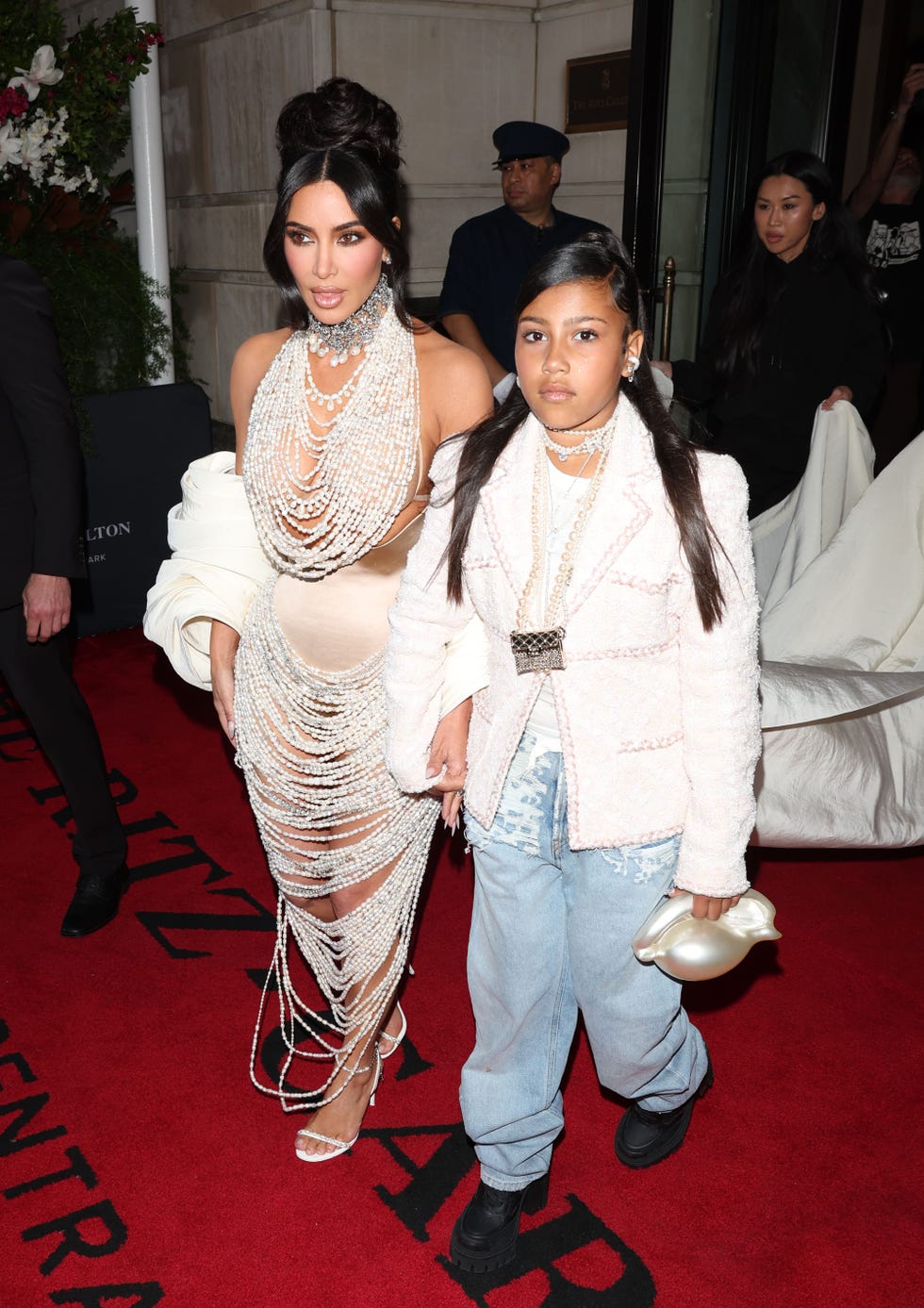
The Kardashian family didn't inherit Hollywood power, traditional artistic skill, or political office. Instead, they built a multi-billion-dollar media empire by turning private life into public infrastructure. By dismantling the barrier between personal identity and commercial product, the family fundamentally altered how modern influence operates. This transformation reshaped the contemporary American Dream, shifting the core objective from industrial labor to total self-commodification.
Understanding this shift requires looking past the tabloid headlines and examining the structural mechanics of modern fame. Traditional celebrity relied on gatekeepers—studio heads, magazine editors, and talent agents—who controlled access to visibility. The Kardashian-Jenner machine bypassed these traditional arbiters entirely. They weaponized the 24-hour news cycle, early social media adoption, and direct-to-consumer platforms to construct a self-sustaining economy where visibility itself functions as currency.
The Mechanics of Attention: From Reality TV to Platform Capitalism
When Keeping Up with the Kardashians premiered in 2007, critics dismissed it as transient reality television. Yet the show functioned as a top-of-funnel marketing engine. It wasn't just entertainment; it was a weekly masterclass in attention economy logistics. The family realized that maintaining public interest didn't require conventional artistic output. It required narrative momentum, emotional proximity, and constant accessibility.
As social platforms matured, the family transitioned from television screens to algorithmic feeds. They were early movers on Instagram and Twitter, recognizing that owning the distribution channel was more lucrative than renting space on someone else's magazine cover. Every milestone, family dispute, and aesthetic shift was converted into digital engagement.
- Direct Audience Access: Bypassing journalistic filters allowed them to manage their public image and address controversies on their own terms.
- Algorithmic Synchronization: They aligned their personal style changes with the rapid-fire refresh rates of digital feeds, keeping themselves permanently relevant.
- Monetization Velocity: Attention was instantly redirected toward e-commerce ventures, transforming passive viewers into active consumers.
Platforms like Instagram became digital storefronts where lifestyle branding and personal narrative merged completely. This strategy proved that in the digital age, attention doesn't just precede commerce—attention is commerce.
Redefining Identity as an Adaptable Consumer Asset
Identity within the Kardashian enterprise is fluid, strategic, and modular. Throughout their decades in the spotlight, the family's aesthetic, cultural signifiers, and public personas have shifted to match changing market appetites. This adaptability challenged rigid historical definitions of celebrity identity, which typically demanded consistency and stable archetypes.
Critics often point out the cultural appropriation and micro-trend recycling inherent in this approach. However, from an economic standpoint, treating identity as an evolving product line allows a brand to mitigate obsolescence. When a specific look, body standard, or lifestyle trend reaches saturation, the family pivots, dragging their massive follower base along with them into the next aesthetic cycle.
This commodification of self also altered beauty and fashion standards globally. By launching cosmetics brands, shapewear lines, and fast-fashion partnerships, they didn't just participate in existing markets; they engineered new consumer desires based entirely on their personal milestones and physical transformations.
The Modern American Dream: From Production to Consumption
The traditional American Dream promised upward mobility through industrial productivity, institutional loyalty, and hard work. The Kardashian iteration strips away the factory floor and the corporate ladder, replacing them with hyper-visible consumption.
In this updated framework, success is measured not by what you produce, but by what you consume, display, and inspire others to buy. The family's wealth validates a new cultural philosophy: that a life lived entirely on display can be capitalized into generational power.
- The Merit Myth of Visibility: The public narrative frames their ascent as a triumph of hustle, masking the structural advantages, early privileges, and aggressive crisis management that actually fueled their rise.
- The Aspirational Loop: Viewers are invited to consume the lifestyle through reality television, purchase the goods advertised on social feeds, and chase an elusive standard of self-optimization.
- The Weaponization of Critique: Negative press and public backlash don't erode the brand; they feed the algorithm, proving that outrage is just as financially viable as adoration.
According to cultural analyses by institutions like the Library of Congress, shifts in mass media consistently rewrite how citizens define success. The Kardashian dynasty represents the logical endpoint of a culture that equates visibility with value.
Common Misconceptions About the Kardashian Business Model
Many casual observers misunderstand how this media empire functions, attributing its success to pure luck or accidental fame. Examining the reality reveals a calculated corporate structure.
- Misconception 1: It is purely passive entertainment. Reality television is treated by the family as top-tier market research. Viewer reactions on social media guide the development of subsequent business ventures, from skincare lines to denim brands.
- Misconception 2: Scandals damage the brand. In traditional Hollywood, bad press ended careers. For the Kardashian machine, controversy functions as a low-cost customer acquisition tool, driving search volume and spiking engagement across all linked e-commerce platforms.
- Misconception 3: They are merely celebrity endorses. Rather than taking flat endorsement fees, the family structures their businesses around equity ownership, ensuring they capture the long-term enterprise value of the trends they set.
Frequently Asked Questions
How did the Kardashian family build their initial wealth?
The family's foundation was built on a mix of legal prominence through Robert Kardashian Sr., early retail ventures like Smooch boutique operated by Kris and Kourtney, and the strategic launch of Keeping Up with the Kardashians in 2007, which unlocked high-value television contracts and endorsement deals.
Why is their influence considered a shift in the American Dream?
Traditional models of the American Dream emphasized manufacturing, corporate climbing, or tangible production. The Kardashian model redefines success around attention capitalism, where personal identity, lifestyle branding, and digital influence generate immense financial capital.
How do they handle negative public scrutiny?
Instead of retreating from controversy, the family typically integrates public backlash into their narrative cycle. Outrage increases online visibility, which algorithms reward with higher engagement, ultimately funneling traffic back to their commercial enterprises.
What role did social media play in scaling their empire?
Early adoption of platforms like Instagram and Twitter allowed the family to bypass traditional media gatekeepers. They established direct-to-consumer channels, enabling them to market products instantly to hundreds of millions of followers without paying traditional advertising overhead.



