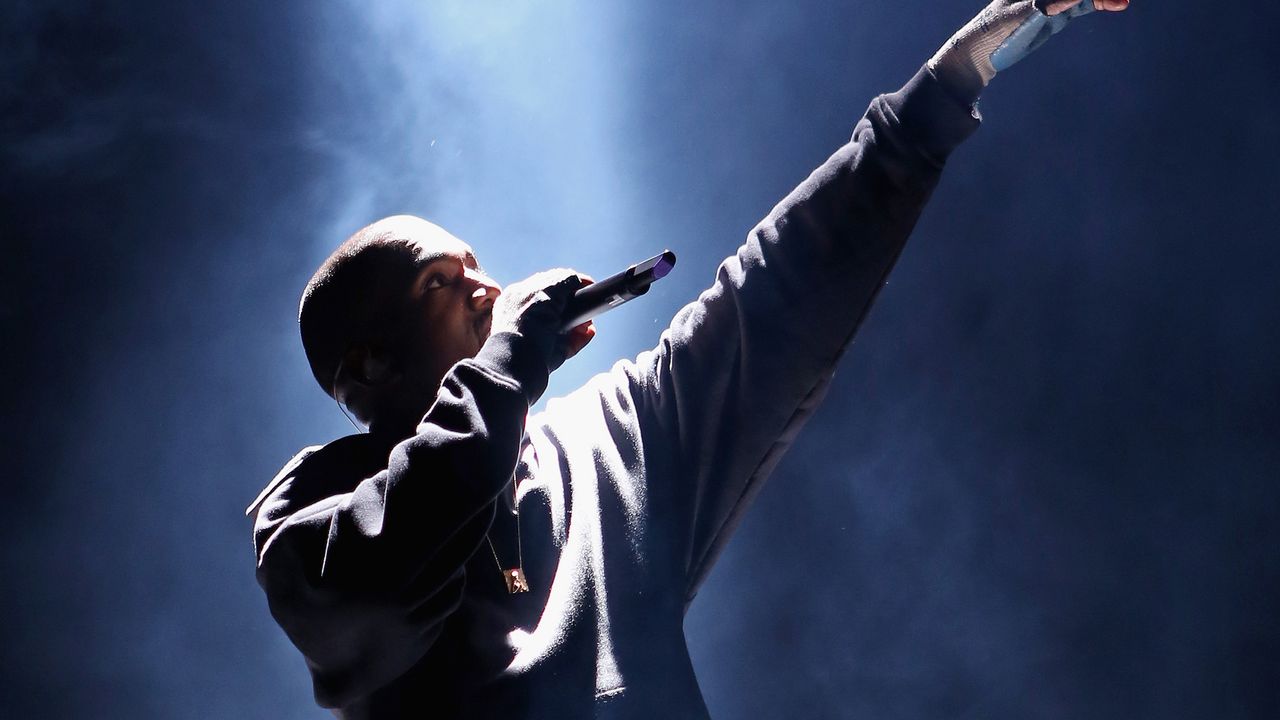
In November 2010, the landscape of modern hip-hop shifted slightly during a radio visit that fans still talk about today. When Kanye West and Pusha T walked into the Hot 97 studios to drop a freestyle on Funkmaster Flex's legendary show, they weren't just promoting new music. They were solidifying a creative partnership that would define the next decade of luxury rap. This unscripted radio moment captured two distinct artists at the peak of their technical powers, blending Pusha's cold coke-rap narrative purity with Kanye's stream-of-consciousness cultural commentary.
If you want to understand why this specific radio appearance still matters, you have to look beyond the nostalgia. It wasn't just a couple of verses thrown down over a popular beat; it was a foundational artifact of the GOOD Music era. We're going to break down how this session came together, analyze the lyrical weight of what they spit, and examine how it permanently altered both artists' trajectories.
The Context Behind the 2010 Funkmaster Flex Session
Late 2010 was a massive pivot point for both Kanye West and Terrence "Pusha T" Thornton. Kanye was fresh off releasing My Beautiful Dark Twisted Fantasy, a record that saved his career after a year of intense public backlash. Pusha T was standing at a major career crossroad following the unofficial disbandment of The Clipse. He had recently signed a solo deal with Kanye's GOOD Music imprint, signaling a gritty, sample-heavy evolution for the label.
When they stepped up to the mic at Hot 97, the tension in the room was palpable. Flex's show was notorious for chewing up rappers who couldn't handle the pressure of live radio. Instead of sticking to safe promotional talking points, Kanye and Pusha treated the session like a sparring ring. They came armed with dense, multi-syllabic schemes that completely bypassed standard radio-friendly hooks.
- The Transition Period: Pusha T was shedding his Clipse persona to build a solo empire, making high-profile radio appearances critical for establishing his independent credibility.
- The GOOD Music Expansion: Kanye was actively positioning his label as the new powerhouse of New York and West Coast crossover aesthetics.
- The Medium: Funkmaster Flex's platform remained the ultimate litmus test for elite lyricism in hip-hop culture.
Breaking Down Pusha T's Verse
Pusha T opened his portion of the freestyle with a chilling cadence that immediately set a serious tone. Known for his uncompromising coke-rap imagery, Pusha didn't dilute his content for a broader radio audience. He leaned heavily into cinematic descriptions of street survival, luxury accumulation, and moral ambiguity.
Lines like "Malice found religion, Tony found prison" instantly grounded listeners in the harsh reality of his upbringing. It's a stark, efficient couplet that explains the fracturing of his previous group dynamic while setting up his own survivalist ethos. He didn't waste syllables. Every bar functioned like a heavy brick, maintaining the meticulous rhyme structure he mastered on albums like Lord Willin'.
The Lyrical Mechanics
What made Pusha's verse stand out during the live session was his breath control and unbothered delivery. Hip-hop purists study these specific bars because they highlight his adherence to a strict thematic lane. He avoids pop culture fluff, choosing instead to focus on enterprise, accountability, and the heavy toll of past choices.
- Internal Rhymes: Pusha stacked complex internal rhyme schemes without ever sounding rushed or breathless.
- Thematic Consistency: He maintained his signature luxury-narcotics motif, proving that his solo transition wouldn't water down his pen.
- Cultural Weight: The verse acted as a formal introduction for mainstream fans who hadn't fully tracked his evolution outside of The Clipse.
Kanye West's Stream-of-Consciousness Delivery
When Kanye took over the mic, he brought a completely different energy. While Pusha operated with clinical precision, Kanye delivered a messy, brilliant, highly reactive stream of consciousness. You could hear the wheels turning in his head as he addressed everything from media scrutiny to institutional racism and personal insecurity.
Kanye's verse featured lines that later bled into his broader artistic ethos—raw, vulnerable, and frequently self-deprecating. He famously rapped about media narratives, public perception, and the bizarre realities of fame. It wasn't just a traditional freestyle; it was an audio diary entry broadcast live across New York City.
Why Kanye's Style Worked Here
Kanye has never fit the mold of a traditional boom-bap freestyle rapper. His strength lies in cadence, emotional resonance, and memorable one-liners that catch listeners off guard. During this session, he leaned into his role as the embattled visionary who refused to bow to public pressure.
- Rhythmic Imperfection: Kanye traded clean technical perfection for raw emotional intensity, matching the chaotic news cycle surrounding him at the time.
- Topical Variety: He jumped from systemic critiques to pop-culture references in a matter of seconds, creating a distinct contrast to Pusha's focused narrative.
- Vulnerability: By airing his grievances live on air, Kanye turned his personal anxieties into an engaging musical performance.
The Cultural Ripple Effect on GOOD Music
This radio appearance wasn't a standalone event; it served as a promotional blueprint for GOOD Music's aggressive takeover. At the time, Kanye was rolling out his innovative GOOD Fridays music release series, pushing the boundaries of how hip-hop marketing functioned online. The freestyle reinforced the narrative that GOOD Music was assembling an unstoppable roster of elite writers.
By aligning himself so closely with Pusha T, Kanye signaled a return to hard-hitting lyricism. Fans who worried that Kanye's production style was becoming too pop-oriented after 808s & Heartbreak found immediate reassurance in the gritty bars delivered during that session.
Common Misconceptions About the Session
Because hip-hop lore often grows distorted over decades, several myths surround this specific radio visit. Let's clear up what actually happened based on the historical record.
- Was it completely off the top of the head? Like 90 percent of radio freestyles from that era, the artists brought pre-written or heavily workshopped bars to fit the moment. The brilliance was in the selection and delivery, not spontaneous improvisation.
- Did it lead directly to an album? While it didn't spawn an immediate collaborative album, it solidified Pusha T's placement on subsequent GOOD Music releases, including vital contributions to Cruel Summer.
- Was it their first time working together? No. Pusha had already provided a legendary guest verse on Kanye's track "Runaway" around the same period, cementing their creative bond.
Frequently Asked Questions
What year did the Kanye West and Pusha T freestyle take place?
The iconic radio session took place in November 2010 during Kanye West's promotional run for My Beautiful Dark Twisted Fantasy.
Which radio show hosted the freestyle?
The session was hosted by legendary DJ Funkmaster Flex on New York's Hot 97 station.
Are these verses featured on any official studio albums?
While elements and lyrical themes often bounce around between writing sessions, these specific radio verses were tailored for the live broadcast, though similar thematic bars appear across Pusha T's solo work during the GOOD Music era.
Why is this specific freestyle considered important?
It marked the official cultural introduction of Pusha T as a solo powerhouse under Kanye's GOOD Music umbrella, bridging the gap between underground coke-rap and mainstream luxury hip-hop.



