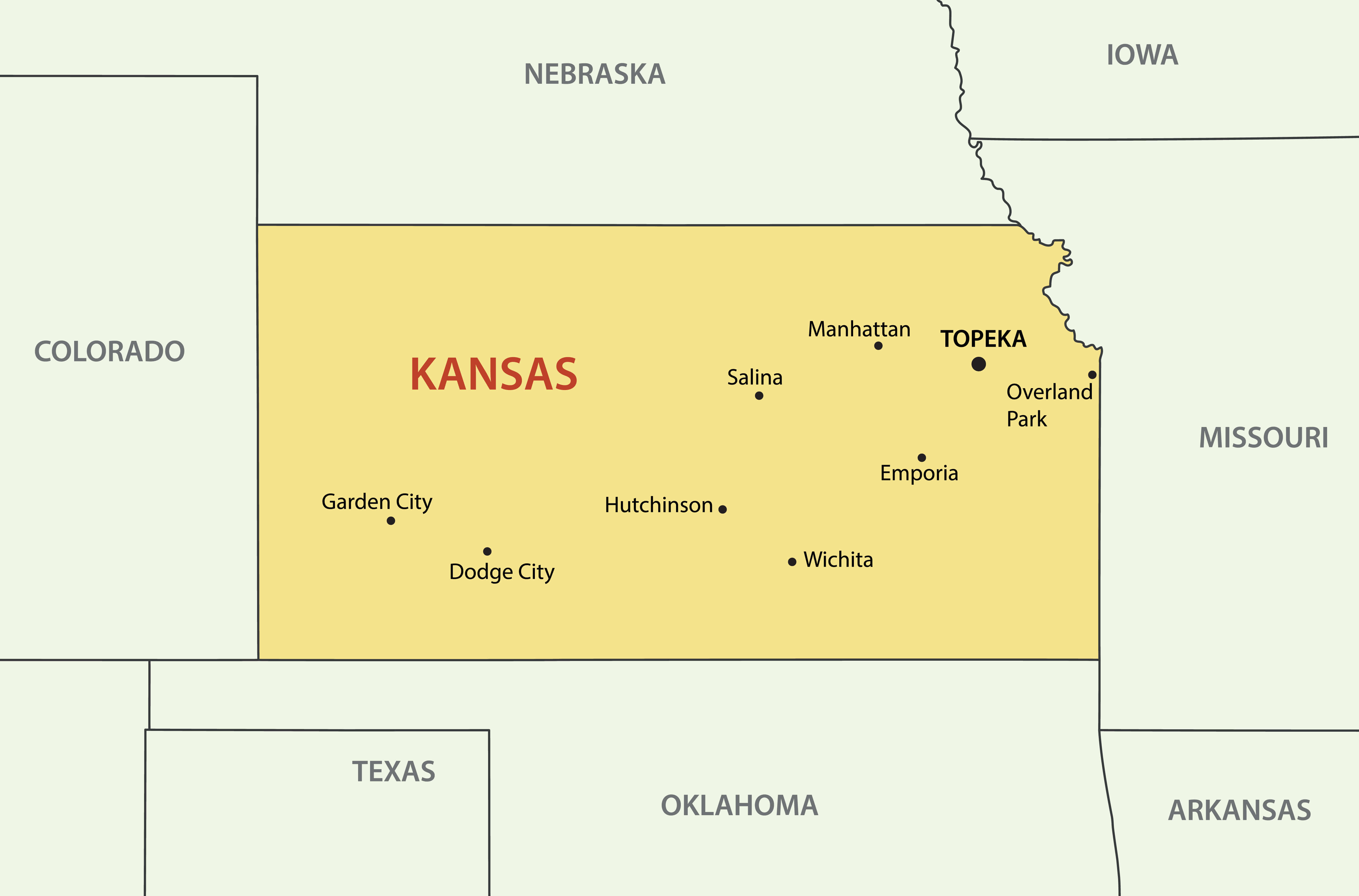
Kansas City operates primarily on the Central Time Zone, shifting between Central Standard Time (CST) at UTC-6 and Central Daylight Time (CDT) at UTC-5. Spanning both Missouri and Kansas, the metro area relies on precise clock coordination to manage commerce, logistics, and daily life right in America's geographic heartland.
Understanding how time functions here means looking past basic clock faces. It requires tracking seasonal shifts, coordinating across state lines, and recognizing how mid-continent positioning influences national scheduling.
The Foundations of Central Time in Kansas City
The Central Time Zone covers a massive slice of North America, and Kansas City serves as a major urban anchor within it. Official timekeeping here follows the National Institute of Standards and Technology standards, syncing down to the atomic level.
During standard winter months, the region runs on Central Standard Time (CST), which places local clocks exactly six hours behind Coordinated Universal Time (UTC-6). When spring arrives, the city pushes clocks forward one hour to observe Central Daylight Time (CDT), shifting the offset to UTC-5. This seasonal adjustment maximizes daylight hours during warmer months, shifting sunrise and sunset later relative to the clock.
- Standard Time Offset: UTC-6 (active November through March)
- Daylight Saving Offset: UTC-5 (active March through November)
- IANA Time Zone Identifier: America/Chicago
Daylight Saving Time Transitions and Logistics
Springing forward and falling back isn't just about changing wristwatches. It requires synchronized shifts across transportation networks, financial markets, and digital infrastructure.
In Kansas City, Daylight Saving Time begins on the second Sunday in March. At 2:00 AM local time, clocks skip ahead to 3:00 AM. Conversely, the period ends on the first Sunday of November, when clocks at 2:00 AM roll backward to 1:00 AM, granting residents an extra hour of sleep.
Local transit hubs, such as Kansas City International Airport, manage these transitions seamlessly through automated system updates tied to the Federal Communications Commission and global time servers. Missed transitions cause missed flights and disrupted freight schedules, making precision vital for local supply chains.
Navigating the Dual-State Time Dynamic
One unique logistical wrinkle for Kansas City involves its bi-state footprint. The municipality crosses the border between Missouri and Kansas, though both sides sit squarely in the Central Time Zone.
Unlike regions situated near the border of the Mountain and Central zones—where a short drive can cross a time boundary—Kansas City residents don't have to adjust their watches when commuting from Overland Park, Kansas, to downtown Kansas City, Missouri. Both sides share identical timekeeping rules, preventing the scheduling chaos seen in split-zone metropolitan areas like Chicago or dual-state cities further west.
However, remote workers and national businesses operating out of Kansas City must constantly calculate offsets when coordinating with partners on the East or West Coasts. Being one hour behind New York and two hours ahead of Los Angeles shapes every morning conference call and stock market opening.
Common Mistakes in Central Time Calculations
People frequently trip up when calculating deadlines across time zones, leading to missed meetings or delayed digital submissions.
- Confusing CST and CDT: Assuming the UTC-6 offset applies year-round causes errors during summer months when the city observes UTC-5. Always verify whether the target date falls inside the Daylight Saving window.
- Assuming State Borders Equal Time Boundaries: Because Kansas City sits right on the state line, visitors often assume a time zone change occurs at the river or the state marker. It doesn't.
- Ignoring Broadcast Delays: National media broadcasts often air live events based on Eastern or Pacific markers, requiring local viewers to mentally convert prime-time slots into Central equivalents.
Frequently Asked Questions
Does all of Kansas observe Central Time?
No. While the eastern portion of Kansas—including Kansas City, Topeka, and Wichita—uses Central Time, the western counties of Kansas operate on Mountain Time.
Why does Kansas City change its clocks twice a year?
The city observes Daylight Saving Time to align waking hours with available daylight during summer months, a practice regulated nationally by federal law.
How does Kansas City time compare to New York?
Kansas City is consistently one hour behind New York City year-round, as both regions observe Daylight Saving Time simultaneously.
What is the official time zone designation for computers in Kansas City?
Software applications and databases use the IANA time zone string America/Chicago to properly handle local timestamps and seasonal shifts for Kansas City.



