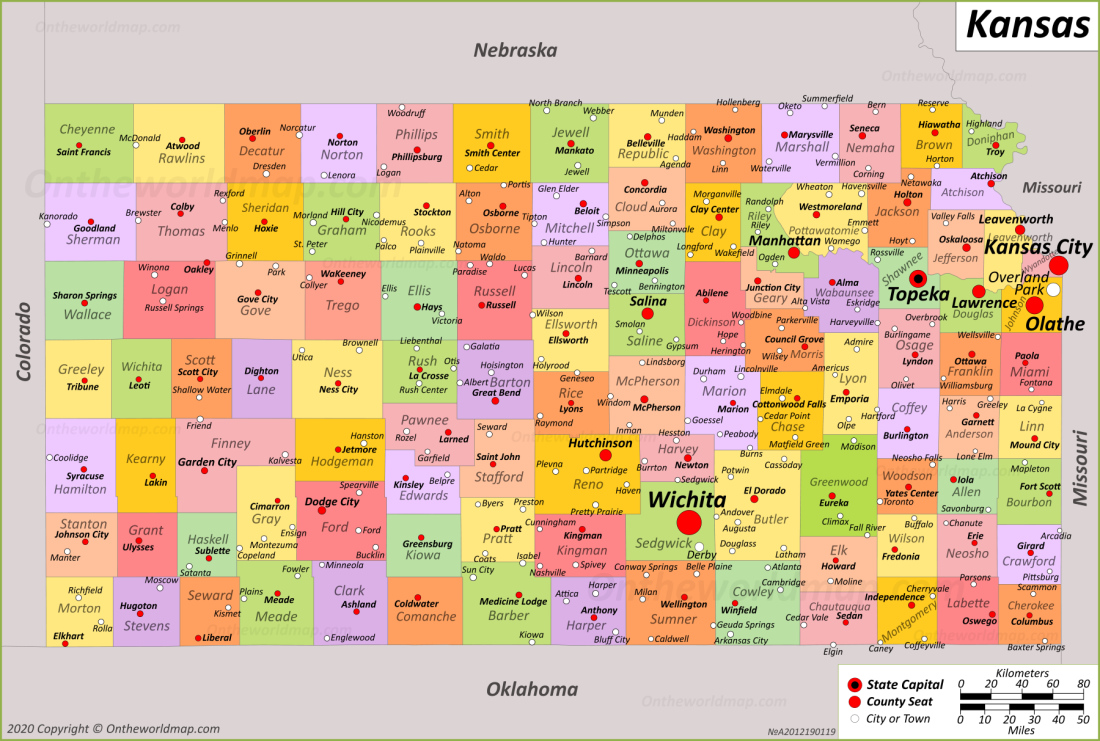
The Kansas City metro area operates as a powerful economic engine, fueled by a population topping 2.16 million residents, diversified industry clusters, and a cost of living tracking roughly seven percent below the national average. Unlike coastal tech hubs weighed down by extreme housing costs, this bi-state region strikes a rare balance between rapid infrastructure expansion and everyday affordability. Workers and corporations relocate here to capture lower operational overhead, central logistics access, and steady job creation across health care, technology, and advanced manufacturing.
Navigating this market requires looking past standard regional boosterism to examine the real metrics driving change. Housing inventory shifts, major corporate investments, and workforce pipelines shape whether moving or expanding here makes financial sense. This analysis breaks down the economic foundations, housing realities, and key industrial drivers defining the current trajectory of the Kansas City metropolitan area.
Economic Foundations and Cost Structure
Financial viability forms the bedrock of any regional growth story. In Kansas City, general consumer prices sit at roughly 92.5 against a U.S. baseline of 100, giving households more purchasing power than their coastal counterparts. Average net monthly salaries hover near $3,939 after taxes, while a single person's typical monthly expenses including rent average around $2,442. This margin allows workers to save or invest rather than spending entire paychecks on basic survival.
Property markets reflect this balanced cost structure. The median home value in the core city sits at approximately $250,185, with regional variations stretching higher in suburban Johnson County, Kansas, and remaining lower in parts of Jackson County, Missouri. Renters face a similarly reasonable landscape; average apartment rents hover around $1,446 per month, remaining well below national urban medians.
Key Cost Metrics
- General Cost of Living: ~7.5% below the U.S. average.
- Average Net Monthly Salary: ~$3,939.
- Median Home Value: ~$250,000.
- Average Monthly Rent: ~$1,446.
Major Industrial Drivers and Employment
Economic expansion isn't reliant on a single sector. The region features an industry mix mirroring the broader United States, protecting the local economy from isolated market downturns. Professional and business services, health care, transportation, and technology anchor the employment landscape.
Health care stands as the single largest regional employer, with major institutions like The University of Kansas Health System and AdventHealth driving hundreds of thousands of jobs. Meanwhile, the technology sector expands rapidly, earning recognition as a rising star for tech talent where roughly one in ten regional workers engages in tech-related fields.
Logistics and manufacturing also thrive due to geographic advantages. Positioned at the heart of the country, the metro provides freight access via major rail networks, interstate highways, and air freight hubs, enabling distribution to ninety percent of the contiguous United States within two days. The single-terminal modernization at Kansas City International Airport further connects business travelers to both coasts efficiently.
Specialized Niche Markets
Beyond traditional corporate offices and factories, Kansas City dominates unique commercial niches that attract global investment.
- Animal Health Corridor: Extending from Manhattan, Kansas, through the metropolitan core to Columbia, Missouri, this corridor represents over half of global animal health and nutrition sales. It houses corporate headquarters, research labs, and specialized veterinary medicine talent.
- Sports Architecture Capital: Local design firms engineer nearly half of all sports architecture worldwide. These companies have shaped dozens of professional football stadiums, baseball parks, and international athletic facilities.
- Telecommunications and Logistics: Anchored by firms like Garmin and T-Mobile, telecommunications engineering remains deeply embedded in the suburban corporate parks on the Kansas side of the state line.
Common Relocation and Expansion Mistakes
Failing to account for local nuances leads many newcomers and businesses to miscalculate their moves.
- Ignoring the Bi-State Dynamic: The metro spans across two states (Missouri and Kansas). Tax structures, municipal incentives, and public school performance vary dramatically depending on whether you settle in Jackson County, Clay County, Johnson County, or Wyandotte County.
- Underestimating Transit Patterns: While traffic congestion rarely matches coastal megacities, urban sprawl is extensive. Choosing a home far from your workplace without evaluating highway access corridors can result in unexpected commute times.
- Assuming Uniform Housing Costs: Treating the entire metro as uniformly cheap causes budget shortfalls. High-demand suburban school districts command significantly higher real estate premiums than urban core neighborhoods or outer rural fringes.
Frequently Asked Questions
What are the primary job sectors driving growth in Kansas City?
Health care, technology, manufacturing, logistics, and professional business services form the core employment pillars. The region also maintains specialized dominance in animal health sciences and sports architecture.
How does the cost of living compare to national averages?
The overall cost of living sits roughly 7.5 percent lower than the national average. Housing and utilities remain considerably more affordable than in coastal metropolitan areas, though prices vary between urban and suburban pockets.
Is public transportation sufficient for commuting without a car?
Most residents rely on personal vehicles. While the KCATA bus system and the downtown streetcar network provide localized coverage, the sprawling geography of the metropolitan area makes owning a car practical for most daily commutes.
What should businesses consider before relocating to the metro?
Companies must evaluate state-specific incentive packages, workforce availability across technical and industrial skill sets, and proximity to major freight corridors, rail hubs, and airport logistics infrastructure.



