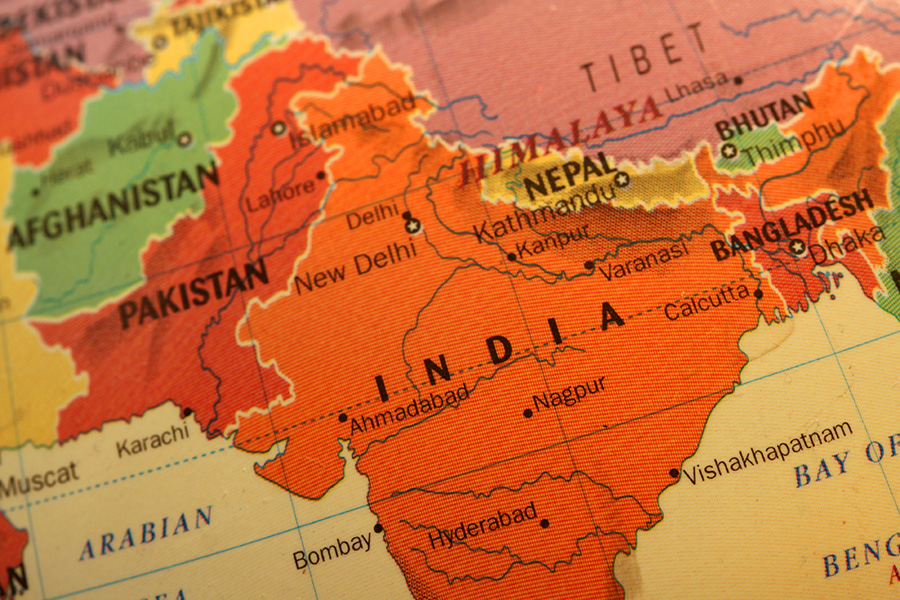
Kalyan Matka stands as one of South Asia's most persistent informal betting phenomena, originating from the bustling textile mill districts of mid-century Mumbai. Far from a modern digital creation, it grew out of industrial-era cotton speculation and evolved into an underground institution that captured the imagination of millions. Understanding this phenomenon requires examining how a simple numbers game shaped urban working-class culture, navigated strict legal boundaries, and left a permanent mark on India's social fabric.
Origins in Mumbai Textile Mills
The roots of Kalyan Matka trace back to the Bombay Cotton Exchange, where traders wagered on the opening and closing rates of cotton transmitted via teleprinter from New York. When the New York Cotton Exchange halted this practice in 1961, bookmakers and punters had to find a new mechanism to keep their operations alive.
Enter Kalyanji Bhagat, a Gujarati migrant who established the Kalyan Matka in 1962. Operating out of Central Mumbai, where textile mills drove the local economy, Bhagat designed a system tailored to factory workers and low-income earners. Unlike other betting formats that ran only on weekdays, Kalyan Matka operated seven days a week. It allowed small, accessible stakes, turning a pastime into a daily ritual for thousands of laborers who had few other forms of entertainment.
Mechanics of the Game
The mechanics of Kalyan Matka evolved from physical draws using an earthen pot, known as a matka, to card-based number generation. Though the physical pots were eventually replaced by randomized card draws, the historic name stuck.
Participants typically select numbers within specific ranges, such as choosing three digits between zero and nine. These numbers are combined and manipulated using specific mathematical formulas to generate results twice a day—known as the Kalyan Open and the Kalyan Close.
- The Open Session: The first set of winning numbers is declared in the afternoon, establishing initial payouts.
- The Close Session: A second set of numbers is drawn later in the day, completing the daily cycle.
- The Payout Structure: Odds vary depending on whether a bettor selects a single digit, a pair (jodi), or a triple combination, with more complex bets offering higher multipliers.
This twice-daily schedule maintained continuous engagement, keeping participants invested throughout the work week and weekend alike.
Societal Impact and Underground Economy
During the 1980s and 1990s, the matka ecosystem reached its peak, with monthly betting volumes reportedly exceeding hundreds of crores of rupees. Central Mumbai served as the epicenter, where local bookies wielded significant informal influence.
The phenomenon acted as an economic double-edged sword. On one hand, it provided a source of hope and affordable recreation for impoverished workers. On the other hand, it drained household savings, fueled debt cycles, and fostered organized crime networks. The Mumbai Police launched massive crackdowns during the late 1990s, raiding dens and forcing operators to relocate their syndicates to neighboring states like Gujarat and Rajasthan.
Pop culture mirrored this underground world. Bollywood films frequently featured characters modeled after prominent matka figures, capturing the rise and fall of street-level risk-takers who became urban legends.
Legal Status and Regulatory Reality
Under Indian law, traditional matka betting is illegal. The primary governing framework, the Public Gambling Act of 1867, prohibits running or visiting gambling houses. State-level amendments further criminalize offline betting operations.
Despite aggressive policing, underground networks persisted by shifting tactics, moving operations into digital spaces, and utilizing anonymous messaging channels. Law enforcement agencies continue to target these platforms under cybercrime and gambling prevention laws, maintaining that unauthorized betting operations violate financial regulations.
Frequently Asked Questions
What does the word matka mean?
The term originates from the Hindi word matka, meaning an earthen pitcher or pot. In the early days of the game, handwritten slips containing numbers were drawn directly from these pots to determine winners.
Who created Kalyan Matka?
The game was pioneered by Kalyanji Bhagat in 1962 in Mumbai. It gained distinct popularity due to its daily schedule and low entry barriers, setting it apart from other contemporary betting formats.
Is Kalyan Matka legal in India?
No. Traditional and online forms of matka betting violate the Public Gambling Act of 1867 and various state-specific legislation governing unauthorized gaming activities.
How did the textile mills influence the game?
Mumbai's massive textile workforce provided a ready audience of daily wage earners. Bookies established dens near mill districts in Parel and central areas to make placing small bets convenient for shift workers.



