Kahoot remains a staple in classrooms worldwide, but its tiered pricing model often leaves educators wondering what they can genuinely use without pulling out a credit card. The short answer is yes, Kahoot offers a permanent free tier known as Kahoot Go, but it comes with strict operational caps that catch many teachers off guard on Monday morning.
If you teach a small enrichment group or test review sessions with ten or fewer students at a time, the free plan functions adequately. However, standard public school classrooms exceeding twenty or thirty students will immediately hit a wall. Understanding exactly what the free version provides—and where it forces an upgrade—helps you decide whether to stick with the zero-dollar tier or look for school-funded licenses.
What You Actually Get on the Free Tier
The free version of Kahoot lets teachers create, host, and assign interactive quizzes without paying a subscription fee. You can access millions of public games created by other educators, use basic multiple-choice and true-or-false formats, and run live sessions or student-paced challenges.
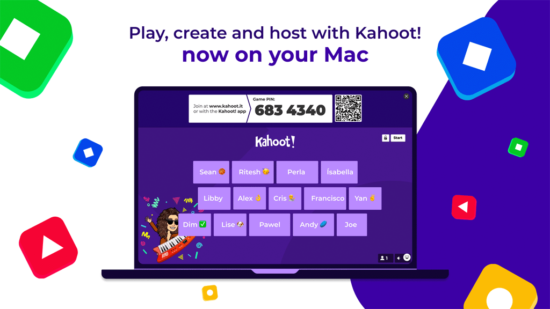
Students never need a paid account to play. They simply enter a game PIN on their mobile phones, tablets, or laptops through the web browser or mobile app. This zero-barrier entry for students is the primary reason the platform gained such massive traction in education.
The Hidden Catch: Participant and Feature Limits
While you don't have to pay to use the basic platform, severe restrictions govern how you host games. These limitations prevent many standard classroom applications unless managed carefully:
- The 10-Player Cap: Personal free accounts restrict live game sessions to a maximum of 10 participants. If you registered using a work or business email domain by mistake, that limit drops to just 3 participants. Standard classrooms require workarounds or paid plans to accommodate an entire group.
- Basic Question Types Only: Advanced interactive formats—such as polls, open-ended questions, word clouds, and puzzle sliders—are locked behind paid education tiers. Free users are restricted to standard quiz and true/false structures.
- Limited Reporting: After a game ends, free users receive a basic scoreboard view. Detailed analytics tracking individual student growth over time, CSV data exports, and question-by-question diagnostic breakdowns require a subscription.
- No Advanced Customization: You cannot brand games with school logos or utilize specialized theme libraries without upgrading.
Workarounds for Teachers on a Zero-Dollar Budget
If your school district won't purchase a site license and your personal budget is tapped out, you can employ a few practical strategies to use Kahoot for free without breaking rules:
- Team Mode: Instead of individual play where every student needs a device and a slot, divide your class into groups of three to five students. Each team shares a single device. This keeps your total active player count well under the 10-player limit while fostering collaborative problem-solving.
- Student-Paced Asynchronous Challenges: Assign kahoots as homework tasks rather than live synchronous games. While live caps are restrictive, asynchronous assignments often allow broader engagement windows depending on current platform configurations, though limits still apply to active hosting.
- Alternative Platforms: If the player cap proves unmanageable, explore free alternatives like Quizizz, Mentimeter, or Wooclap, which offer more generous free participant thresholds for educators.
Paid Education Tiers: What Do They Cost?
When free options fall short, Kahoot offers specific plans tailored for educators and institutions. Individual teacher plans typically start around $3 to $10 per month when billed annually, scaling up for school-wide or district-wide deployments that require a minimum of three licenses. These paid tiers lift participant caps to 50, 100, 200, or thousands of students, unlock full question variety, and provide comprehensive reporting dashboards. You can review official package details directly on the Kahoot Schools Pricing portal.
Frequently Asked Questions
Do my students need to create an account to play a free game?
No. Students never need an account or a paid subscription to participate. They only need the game PIN provided by the teacher on the main screen and a web browser or the mobile app.
Why does my free account limit me to only 3 players?
If you signed up using an email address tied to a corporate or business domain rather than a personal or recognized educational domain, Kahoot defaults to business free tier rules, which cap live sessions at 3 participants. Updating your account details to an educational profile or using a standard school email often resolves this constraint.
Can I import existing quiz questions from Google Forms or spreadsheets?
Yes, paid teacher tiers support importing questions via spreadsheet templates, saving you from manually re-entering old test banks. Free users must input questions individually through the web builder.
Are there completely free alternatives with no player caps?
Several classroom response systems offer higher free participant limits than Kahoot. Platforms like Quizizz provide robust free features for standard classrooms without strict live player ceilings, making them popular alternatives for budget-conscious educators.



