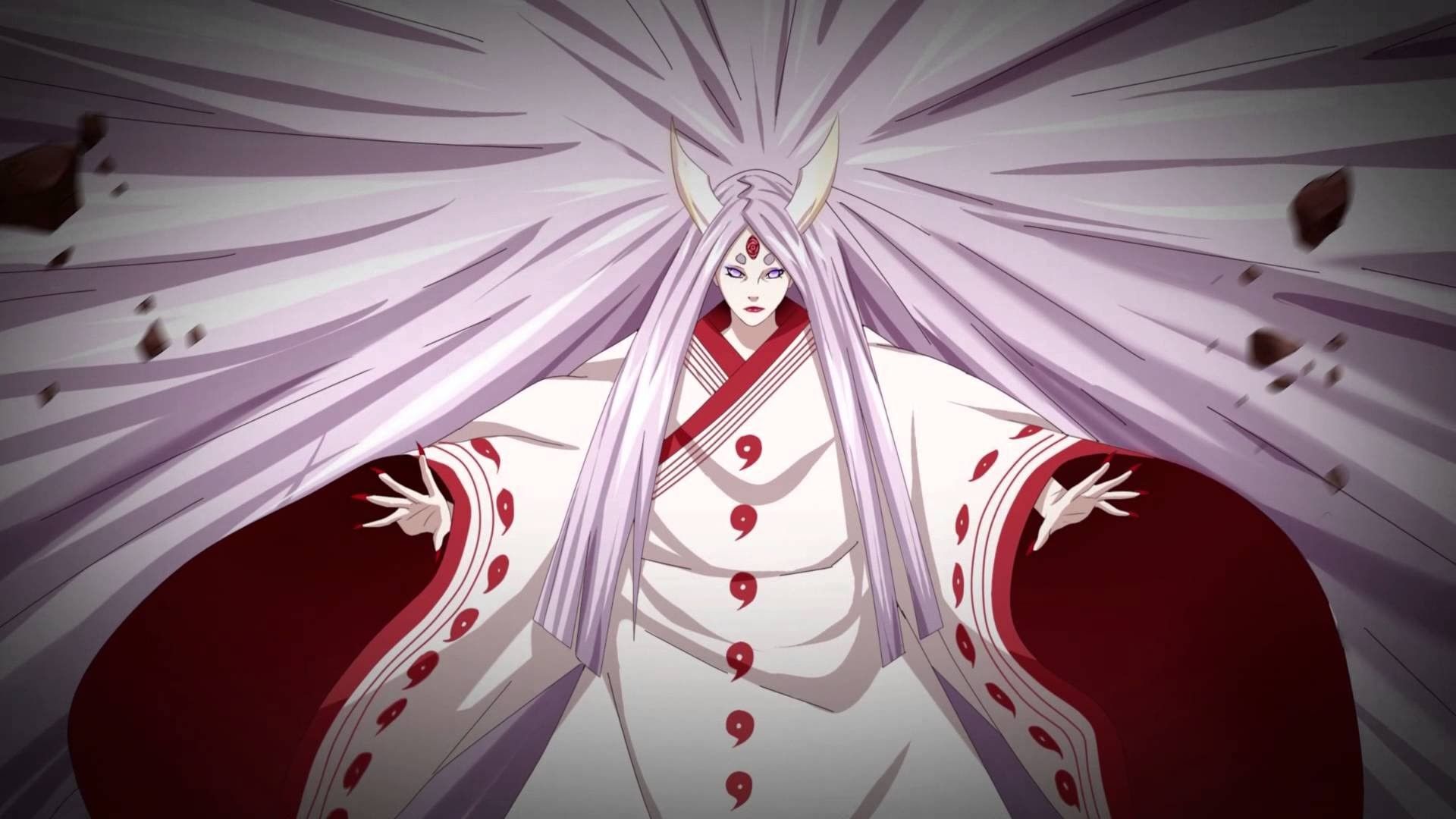
When Masashi Kishimoto introduced Kaguya Otsutsuki during the climax of Naruto, the anime world shifted. Fans had spent over a decade tracking a grounded ninja story rooted in hand seals, tactical compromises, and village politics. Suddenly, the narrative thrust readers into cosmic mythologies, celestial beings, and primordial threats. Kaguya isn't just an antagonist; she's an existential shift for the franchise's hero archetypes.
By reframing Naruto Uzumaki from a scrappy underdog of Konoha into the reincarnated savior of a celestial lineage, Kaguya forces a complete reevaluation of what a fantasy hero represents. She transforms the story from a shinobi drama into an epic myth about ancestral karma, divine power, and the cyclical nature of human conflict.
The Origins of a Celestial Deity
Before Kaguya, the primary antagonists of Naruto operated within recognized human or rogue-ninja parameters. Orochimaru sought immortality through forbidden experiments; Pain wanted to enforce peace through shared trauma; Madara Uchiha manipulated global politics to break the cycle of hatred. Each villain stemmed from the flaws of the ninja system itself.
Kaguya short-circuits this framework. Arriving from the stars, she consumed the fruit of the God Tree, became the progenitor of chakra, and birthed a lineage that fractured reality. Her inclusion introduces ancient Japanese folklore directly into the canon, drawing heavily from the Tale of the Bamboo Cutter.
- The Forbidden Fruit: Eating the Chakra Fruit gave Kaguya godlike dominion over dimensions, altering the biological destiny of humanity.
- The Divine Mother: Initially worshipped as a deity who brought peace, her obsession with retaining all chakra corrupted her into the Ten-Tails.
- The Dimensional Architecture: Unlike earthbound shinobi who relied on terrain, Kaguya manipulated space-time, dragging opponents into acidic, volcanic, or gravitational dimensions.
This mythological scaling elevates the stakes beyond hidden village borders. Naruto and Sasuke stopped fighting for their comrades' survival; they fought to prevent the total reset of human consciousness.
Redefining the Shonen Hero Archetype
For years, Naruto Uzumaki embodied the classic shonen formula: hard work overcoming innate mediocrity. He was the kid with the demon fox sealed inside him, scorned by his peers, who clawed his way to respect through sheer stubbornness.
Kaguya's reveal upended this narrative trajectory. Through the lore of the Sage of Six Paths, Naruto learned he wasn't just a random orphan of destiny. He was the spiritual successor to Asura Otsutsuki, carrying the preordained will of the universe's most powerful bloodlines.
Critics argue this diluted Naruto's meritocratic charm. Yet, it also created a more complex literary tension. Naruto has to accept cosmic destiny without losing his grounded humanity. He doesn't defeat Kaguya with a secret jutsu learned from a scroll; he wins through teamwork, unpredictable improvisation, and emotional resonance—traits that no divine bloodline can replicate.
Dimensions, Decisive Battles, and Combat Scale
Fighting Kaguya required an unprecedented escalation in combat choreography. Traditional tactical ninjutsu gave way to reality-warping abilities that pushed the boundaries of the medium.
- Expansive Truth-Seeking Ball: A technique capable of erasing entire dimensions and creating a brand-new space-time.
- All-Killing Ash Bones: Projectiles that turn targets to dust upon contact, forcing Naruto and Sasuke to rely on split-second spatial maneuvering.
- Dimensional Shifts: Kaguya's ability to instantly transport everyone to alternate terrains stripped the heroes of home-field advantages.
To survive, Team 7 had to operate at a synchronized peak. Kakashi Hatake unlocked the full potential of his Dual Mangekyo Sharingan, Sakura Haruno delivered the decisive physical blow, and Naruto and Sasuke combined their seals to imprison Kaguya within a planetary core.
The Broader Impact on Modern Fantasy
Kaguya’s legacy extends past the final panels of Kishimoto's manga. She established a narrative blueprint that modern battle shonen series frequently adopt: the transition from local political struggles to cosmic pantheons.
Series like Bleach, Jujutsu Kaisen, and Chainsaw Man frequently grapple with ancient progenitors, primordial curses, and celestial entities that threaten modern existence. Kaguya proved that long-running serialized stories could pivot into high mythic fantasy without losing their core emotional stakes, provided the protagonist's humanity remains the emotional anchor.
Frequently Asked Questions
Why was Kaguya introduced so late in Naruto?
Kaguya served as the ultimate narrative anchor to tie together the lore of the Sage of Six Paths, the origin of chakra, and the existential threat of the Otsutsuki clan, setting up future world-building for subsequent generations.
Is Kaguya stronger than Madara Uchiha?
Yes, lore-wise Kaguya possesses vastly superior raw chakra reserves, innate control over multiple dimensions, and abilities like the Expansive Truth-Seeking Ball, though Madara possessed greater tactical combat experience.
How does Kaguya connect to Japanese folklore?
Her character is a direct adaptation of Kaguya-hime (The Princess Kaguya) from the Tale of the Bamboo Cutter, integrating traditional moon-visitor myths into modern ninja fiction.
Did Kaguya's introduction ruin Naruto's underdog theme?
It shifted the theme from pure meritocracy to inherited destiny, though Naruto's ultimate victory relied on empathy and teamwork rather than bloodline power alone.



