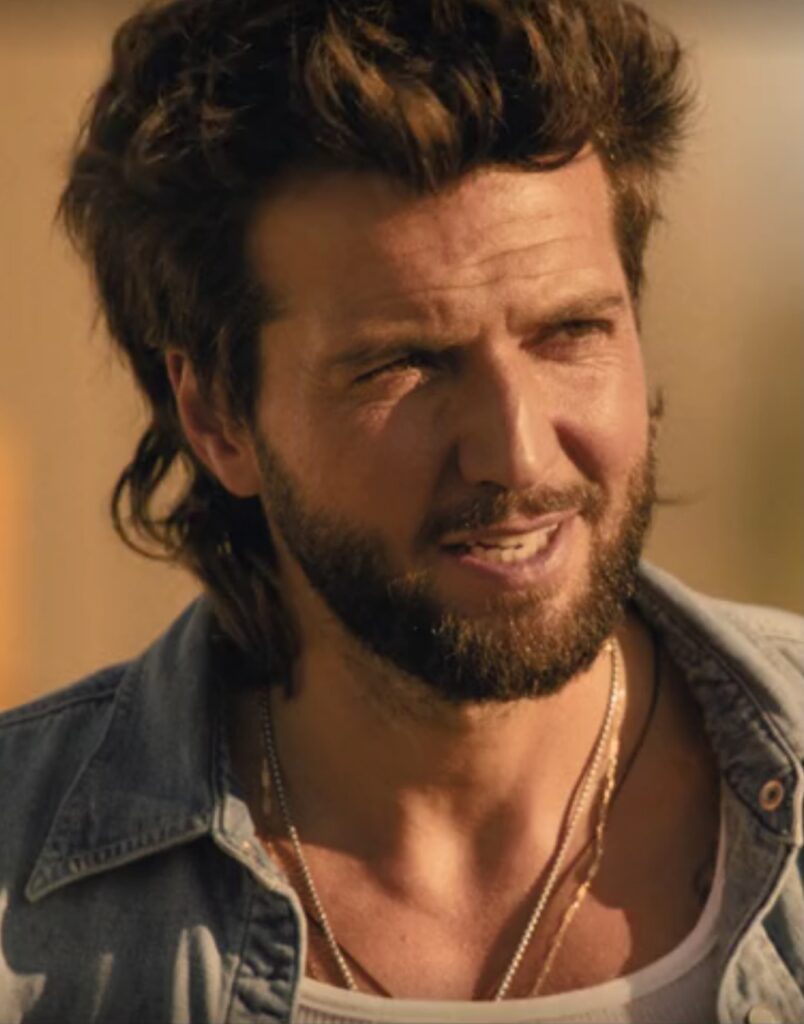
When Jude Law burst onto the international cinema scene in the late 1990s with films like The Talented Mr. Ripley, he established a distinct screen presence defined by sharp intensity, classic British charm, and intense technical versatility. Decades later, that exact combination of craft and intensity resurfaces in his eldest son, Rafferty Law. Born to Jude and actress-designer Sadie Frost, Rafferty isn't just a physical carbon copy of his famous father; he represents a calculated generational handoff in modern British cinema and fashion. Understanding this father-son dynamic requires looking past the easy tabloid comparisons to examine how artistic tradecraft, public visibility, and quiet mentorship actually pass between generations in the modern entertainment landscape.
The narrative of celebrity children often defaults to assumptions of instant access and unearned privilege. Yet, the reality of carving out a sustainable artistic career under the shadow of an established heavyweight involves distinct pressures and deliberate choices. While Jude Law built his reputation across three decades of theatre and multi-million-dollar film franchises, Rafferty has taken a modular approach, balancing high-fashion runways, indie music, and major television ensembles. This dynamic illustrates a fascinating evolution in how celebrity families manage legacy, professional autonomy, and public perception today.
The Foundation of Craft: Beyond the Physical Resemblance
It's impossible to discuss Rafferty Law without noting the striking visual similarities. The piercing eyes, sharp jawline, and intense gaze mirror photographs of a young Jude Law from Wilde or Gattaca. However, relying on genetics alone rarely sustains an actor past a single casting cycle. True creative longevity requires rigorous training and an understanding of character psychology, fields where Jude's career serves as both a blueprint and a high bar.
Jude Law's approach to acting has always been rooted in theatrical discipline, transitioning seamlessly from classical Shakespearean stage productions to gritty cinematic character studies. Rafferty absorbed this work ethic early, attending progressive creative institutions like Bedales School and stepping onto stages as a child in small local productions. Rather than rushing immediately into headline film roles, Rafferty spent years building a multi-disciplinary portfolio. He fronted the indie-punk band Outer Stella Drive, wrote and recorded music, and walked runways for major global fashion houses including Dolce & Gabbana and Valentino.
This diverse early path protected him from the immediate typecasting that often traps second-generation performers. By treating performance as a broad canvas rather than an exclusive film-set birthright, he developed a screen presence that feels grounded rather than inherited.
Navigating the Industry: The Shift from Modeling to Heavy Drama
The transition from high-fashion model to dramatic actor is notoriously difficult. Many industry outsiders dismissed early fashion campaigns as mere perks of parentage. Yet, Rafferty's career pivot demonstrated a deliberate strategy to test his capabilities in high-stakes environments.
A major turning point arrived when he secured a key role in the Apple TV+ World War II miniseries Masters of the Air, starring alongside Austin Butler. Playing Sergeant Ken Lemmons required intense physical preparation, endurance, and the ability to hold the screen within a massive ensemble cast. Reviewers and casting directors took note, recognizing that his performance relied on understated emotional delivery rather than borrowed star power.
This professional evolution mirrors the choices made by other notable second-generation actors who balance commercial visibility with serious character work. By choosing physically demanding and emotionally complex roles—such as taking on the title role in Twist or taking on gritty independent projects—he systematically distanced himself from the superficial label of a legacy hire.
Key Milestones in the Generational Transition
- Early Multi-Disciplinary Roots: Balancing indie music composition, visual art, and high-fashion modeling before committing fully to film.
- The Theatrical Foundation: Grounding early performance skills in stage work, echoing Jude Law's classical training origins.
- Ensemble Validation: Proving dramatic chops in large-scale television productions like Masters of the Air alongside established contemporaries.
- Strategic Independence: Selecting diverse indie features and character-driven roles instead of relying purely on romantic lead archetypes.
The Psychology of Public Expectation and Family Dynamics
Growing up with parents who defined 1990s British pop culture—Jude Law and Sadie Frost were quintessential fixtures of the era's artistic inner circle—means living under perpetual scrutiny. Every career move, red carpet appearance, and casual interview is filtered through the lens of family history.
Jude Law has frequently spoken in interviews about the importance of allowing his children to find their own paths without heavy-handed career management. Unlike older eras of Hollywood where studio nepotism was overt and institutionalized, today's young performers face a hyper-aware public quick to dissect any hint of unfair advantage. For Rafferty, the antidote to this scrutiny has been a relatively quiet off-screen personal life and an intense focus on technical skill.
When asked about his father's influence, Rafferty has often emphasized that the most valuable lessons weren't given through formal lectures, but through observation. Watching how an established actor manages long shooting days, maintains professional relationships under pressure, and transitions between stage and screen provides an unspoken masterclass that no acting academy can fully replicate.
Common Misconceptions About Celebrity Lineage
The public conversation surrounding generational actors often gets bogged down by repetitive myths. Clearing up these misconceptions highlights the true mechanics of modern talent development.
- Myth: Celebrity children are guaranteed starring roles from day one. Reality: Most modern young actors, including Rafferty Law, spend years doing minor modeling jobs, supporting indie parts, and auditioning through standard casting channels before landing breakout roles.
- Myth: Physical resemblance translates automatically to screen charisma. Reality: Genetics may open a door or generate initial curiosity, but audiences and directors quickly reject performances lacking emotional depth and timing.
- Myth: Famous parents dictate every career choice. Reality: Today's media environment encourages cross-industry experimentation, allowing children of actors to build distinct identities in music, fashion, and visual arts before settling on a primary craft.
You can explore more about foundational cinematic history and industry profiles through the British Film Institute or read contemporary entertainment analysis on Variety.
Frequently Asked Questions
How many children does Jude Law have?
Jude Law has seven children from various relationships. Rafferty and his sister Iris are his eldest children with his first wife, Sadie Frost.
Did Rafferty Law attend formal acting school?
Rafferty attended Bedales School, an independent institution in Hampshire known for its strong emphasis on the arts, theatre, and creative independence, where he participated in numerous school stage productions.
What was Rafferty Law's breakout acting role?
While he appeared in films like the modern adaptation Twist, his role as Sergeant Ken Lemmons in the war drama series Masters of the Air marked a major step forward in establishing his dramatic credentials globally.
Does Rafferty Law still model?
Yes, he continues to work selectively in the fashion industry, having collaborated with brands like Dolce & Gabbana, Valentino, and DKNY, though he balances this with active film and television projects.


