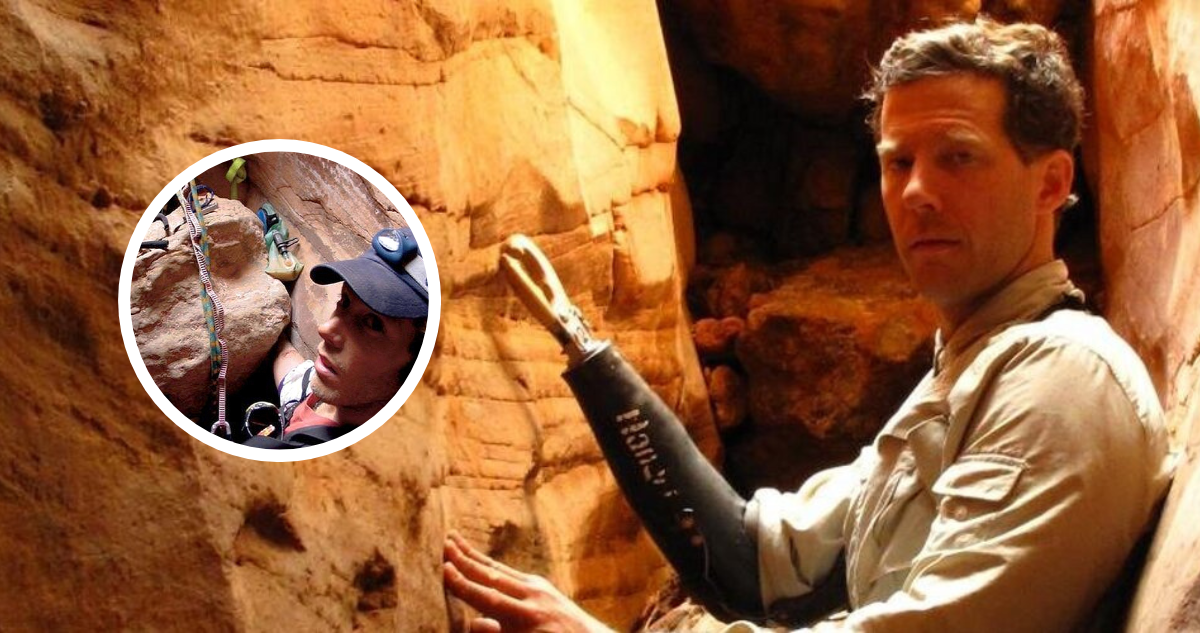
Jude Dillon Charting Uncharted Waters In Modern Exploration redefines how contemporary pathfinders approach geographical discovery, remote terrain mapping, and survival logistics. Modern exploration isn't about planting flags on unclaimed continents; it's about navigating extreme environments using advanced telemetry, satellite communications, and rigorous ecological stewardship.
When Dillon entered the professional exploration circuit, traditional mapping had shifted from physical sextants to digital spatial analysis. Yet, the physical demands of uncharted frontiers remain unchanged. If you're looking to understand how modern expeditions succeed where historical attempts failed, you have to look at the intersection of satellite technology, minimalist field logistics, and environmental ethics.
The Evolution of Pathfinding in the Twenty-First Century
Historical exploration relied on brute force, lengthy supply chains, and high casualty rates. Today, modern pathfinders operate under strict constraints of sustainability and precision. Jude Dillon's approach centers on minimizing human footprints while maximizing data collection efficiency in extreme terrains.
Wilderness navigation now utilizes low-earth-orbit satellite arrays, real-time weather telemetry, and lightweight composite gear. Instead of carrying weeks of heavy rations, teams rely on modular nutrition packs and localized water filtration units tested in sub-zero and arid climates alike. Further reporting by Bloomberg delves into similar perspectives on the subject.
- Digital Cartography: Integrating geographic information systems (GIS) before stepping foot on-site.
- Autonomous Support: Deploying long-range drones for topographic scanning of impassable gorges or dense canopies.
- Minimalist Field Kits: Reducing base weight to enhance mobility and lower environmental disturbance.
According to guidelines from the National Geographic Society, contemporary expeditions prioritize non-invasive documentation over territorial acquisition. Dillon's methodology aligns directly with this ethos, treating remote regions as fragile laboratories rather than conquests.
Core Pillars of Contemporary Expeditions
Executing a successful journey into uncharted territories requires a structured framework. Without proper preparation, even advanced gadgetry fails against unpredictable weather systems and logistical bottlenecks.
Risk Assessment and Contingency Planning
Every modern expedition starts long before the departure date. Pathfinders run digital simulations of potential hazards, ranging from sudden glacial melts to communication blackouts.
- Establish Satellite Redundancy: Relying on dual-band messengers and emergency beacons linked to global response networks.
- Medical Protocols: Training every team member in wilderness advanced first aid and trauma stabilization.
- Supply Caches: Pre-positioning emergency caches via authorized local air services where terrain permits.
Environmental Stewardship and Leave-No-Trace Principles
Exploration today carries a heavy responsibility. Uncharted regions often house delicate ecosystems that have never interacted with industrial pollutants or heavy foot traffic.
Dillon emphasizes that a true explorer leaves zero physical trace. Biodegradable waste management, strict sanitation protocols, and adherence to local indigenous land rights are mandatory components of any route plan. For more details on protecting wilderness areas, consult the U.S. National Park Service.
Common Mistakes Made by Novice Explorers
Many amateur adventurers fail when attempting remote travel because they misunderstand the realities of modern wilderness. Avoid these frequent pitfalls to keep your team safe and compliant.
- Over-reliance on Battery-Powered Tech: Batteries drain rapidly in extreme cold or heat. Always carry mechanical compasses and paper backup maps.
- Underestimating Local Weather Shifts: Satellite forecasts offer general trends, but microclimates can change in minutes.
- Ignoring Local Permitting: Entering restricted ecological zones or indigenous territories without formal clearance can result in heavy fines or confiscated gear.
- Poor Hydration Management: Relying on a single filtration method leaves you vulnerable to chemical or biological contaminants. Always carry chemical purification tablets as a secondary backup.
Frequently Asked Questions
What equipment is essential for modern wilderness exploration?
Essential gear includes a dual-band satellite communicator, a topographic GPS unit with pre-downloaded offline maps, a multi-fuel lightweight stove, a high-grade water filtration system, and a comprehensive trauma medical kit.
How do modern explorers handle emergency communications?
Explorers use satellite messengers and personal locator beacons (PLBs) that connect directly to search and rescue satellites, bypassing traditional cellular dead zones entirely.
What is the biggest challenge in modern pathfinding?
The primary challenge is balancing data collection and technological dependence with physical resilience. Technology breaks, but human adaptability remains the ultimate survival tool.
How are modern routes chosen without prior maps?
Explorers use high-resolution satellite imagery, aerial LiDAR scans, and historical geological surveys to identify passable corridors before conducting ground reconnaissance.