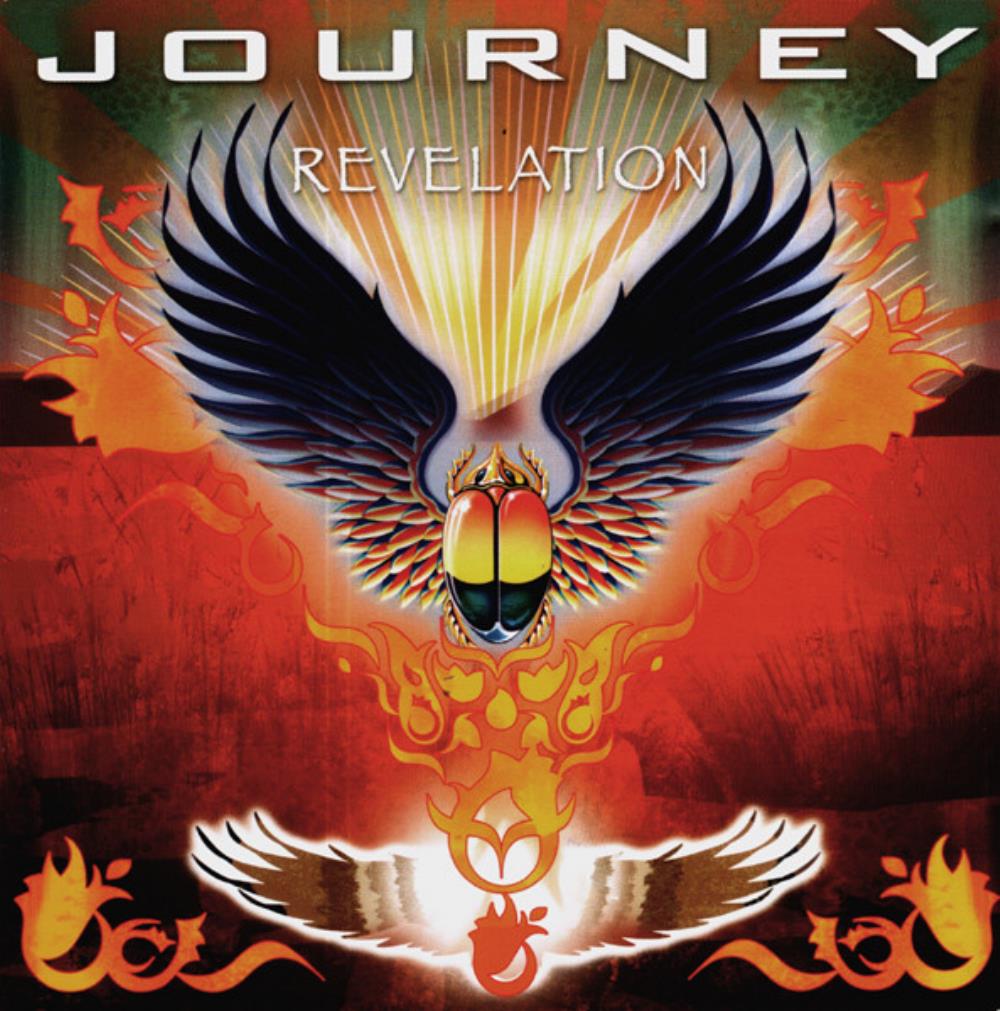
Released in 1981 on the album Escape, Journey's "Don't Stop Believin'" didn't conquer the charts overnight, but it grew into an immortal cultural milestone. It captured the anxieties of early-1980s America while establishing a blueprint for arena rock longevity.
Understanding why this track resonates across decades requires looking past its famous chorus to examine how it was constructed, why it became an anthem for working-class perseverance, and how its unorthodox musical structure rewrote radio rules.
The 1981 Landscape: Economic Shifts and Arena Rock
In 1981, the United States was gripped by a severe recession, high interest rates, and widespread industrial restructuring. Rust Belt cities were bleeding manufacturing jobs, and young adults faced a bleak economic horizon. Popular music reflected this ambient anxiety. While punk and new wave captured urban cynicism, arena rock offered an alternative: grand, emotional escapism.
Journey stood at the intersection of progressive musicianship and commercial melody. Formed in San Francisco by former Santana members, the group spent the late 1970s chasing progressive rock respectability with modest commercial returns. The arrival of vocalist Steve Perry in 1977 and keyboardist Jonathan Cain in 1980 changed everything. They stripped away meandering instrumental solos in favor of tight, cinematic storytelling.
When Escape dropped in August 1981, it hit a nerve. The album yielded massive hits like "Who's Crying Now" and "Open Arms," but the closing track on side one became the defining heartbeat of the record.
Anatomy of an Unconventional Anthem
"Don't Stop Believin'" breaks nearly every conventional pop-songwriting rule, starting with its structure.
Most hit songs open with a verse or a catchy chorus to grab the listener immediately. Journey waits nearly three full minutes before delivering the song's title or its actual chorus. Instead, the track builds through a novelistic progression:
- The Piano Hook: Jonathan Cain's eighth-note piano vamp mimics the rhythmic chug of a midnight commuter train, establishing immediate forward momentum.
- The Bass Anchor: Ross Valory locks in with a melodic bassline that carries the harmonic weight, avoiding standard root notes to create tension.
- The Vignette: Steve Perry introduces two distinct characters—a small-town girl taking the midnight train and a city boy born and raised in South Detroit.
Neither character is real, yet both represent millions of Americans moving across the country in search of economic stability. The lyrics capture the mundane realities of smoky rooms, cheap wine, and endless waiting before pivoting to the universal truth that everyone wants a thrill to come hiding somewhere in the night.
The Production Magic Behind Escape
Producer Kevin Elson and engineer Mike Stone engineered the sonic signature that defined 1980s stadium rock. Recording at Fantasy Studios in Berkeley, California, they balanced raw rock grit with pristine pop polish.
Neal Schon's guitar work on the track avoids flashy shredding until the final minute. His tone relies on sustained notes and melodic counterpoint rather than distortion overdrive. When the vocals enter, Perry sings with a blues-inflected gospel intensity that elevates straightforward pop chords into spiritual defiance.
By holding back the chorus until the very end, Schon, Cain, and Perry created an emotional pressure cooker. When the full band finally unleashes the soaring refrain, the release feels earned rather than manufactured.
The Cultural Shift: From Deep Cut to Global Phenomenon
Upon release, "Don't Stop Believin'" peaked at number 56 on the Billboard Hot 100. It wasn't an instant radio smash. Programmers initially balked at its length and unorthodox layout.
Its transformation into a cultural titan happened in stages:
- The AOR Airplay: Album-oriented rock radio stations embraced it as a driving anthem for late-night listeners, cementing it as a staple of cassette tapes in teenage cars.
- The Cinematic Resurgence: The 2004 film Garden State introduced the song to indie-leaning millennials, proving its cross-demographic appeal.
- The Television Climax: Its iconic usage in the 2007 The Sopranos series finale thrust the song back into the global consciousness, turning a tension-filled diner scene into television history.
According to data from RIAA, the track has achieved multi-diamond certification, moving millions of digital equivalents long after physical record stores vanished. It remains one of the rare catalog songs that streams consistently across generations, bridging the gap between vinyl enthusiasts and playlist listeners.
Common Misconceptions About the Song
Listeners often repeat several myths regarding the track's origins and composition:
- The South Detroit Myth: Fans frequently point out that geographic reality places Detroit's actual south side in Canada or over the river. Jonathan Cain has repeatedly clarified that "South Detroit" simply sounded better lyrically than "North Detroit" or "West Detroit."
- An Instant Hit: Many assume the track dominated radio charts in 1981. In reality, singles like "Open Arms" carried the immediate commercial weight of the Escape album while "Don't Stop Believin'" built its reputation entirely through word-of-mouth and touring momentum.
- A Solo Composition: Because Steve Perry's vocal delivery is so dominant, listeners often attribute the writing solely to him. The core melody and chord progression originated from an improvisational jam between Schon, Cain, and Valory before Perry added the lyrical narrative.
Frequently Asked Questions
Why is the chorus delayed until the end of the song?
The songwriters structured the track like a journey rather than a destination. By treating the verses as sequential scenes in a story, they built narrative tension, making the final chorus feel like an emotional climax.
Did Journey win a Grammy for "Don't Stop Believin'"?
No. When Escape was released, the track was not submitted as a primary single for Grammy consideration, and it did not win major awards during its initial release cycle. Its legendary status accrued organically over decades through cultural adoption.
Who wrote the lyrics to the song?
Keyboardist Jonathan Cain penned the famous opening lines, inspired by advice from his father during his struggling musician days in Los Angeles. Steve Perry and guitarist Neal Schon collaborated on the vocal melodies and lyrical framing.
How did the song impact the band's career?
While Journey already enjoyed arena-level success following albums like Evolution and Departure, "Don't Stop Believin'" provided them with an enduring global trademark that outlasted line-up changes and shifts in popular music trends.



