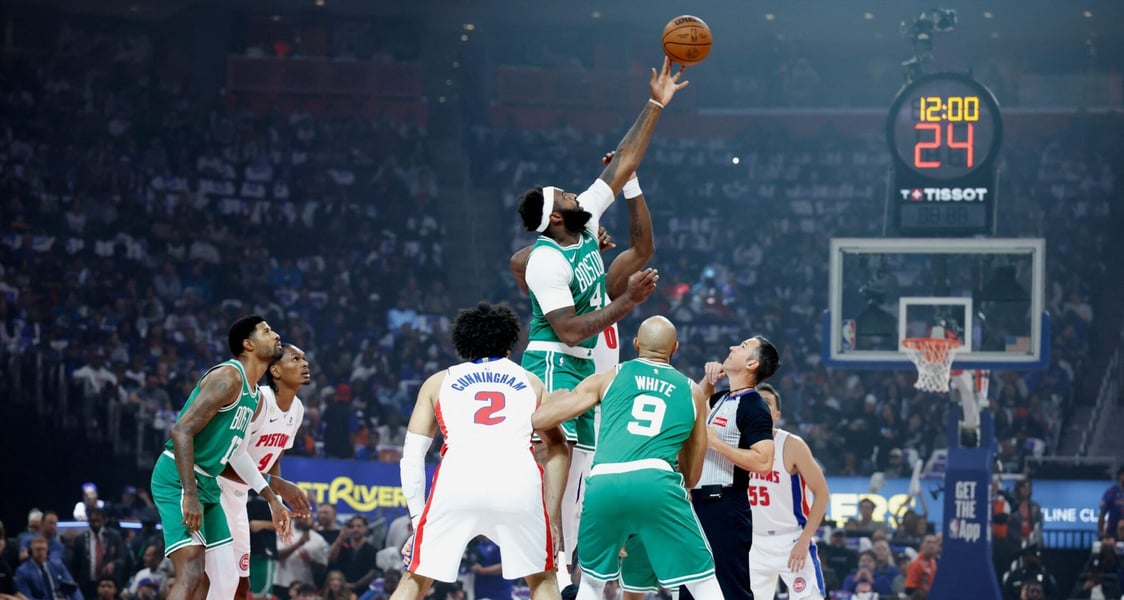
When the Boston Celtics signed forward Josh Minott to a two-year deal worth approximately $5 million, it didn't register as a blockbuster that shook the championship odds. Instead, this under-the-radar acquisition signaled a calculated pivot in front-office philosophy. Brad Stevens and the front office targeted a high-upside, athletic wing to evaluate during a transitional developmental window, securing low-cost depth with long-term roster flexibility.
To understand why this move matters, we need to look beyond the basic box score numbers and examine how modern NBA contenders handle asset accumulation, development minutes, and salary cap architecture.
Inside the Numbers: Contract Structure and Flexibility
Minott's agreement was straightforward on paper, but the structure tells a deeper story about how front offices manage risk. Signed for two years at roughly $2.5 million annually, the contract gave Boston maximum operational freedom.
- Cost-Controlled Value: Low-salary multi-year deals provide teams with valuable trade assets under the collective bargaining agreement.
- Low Financial Exposure: If a player doesn't pan out, a $2.5 million annual cap hit is easily absorbed or moved.
- Internal Evaluation Window: Having a player for two seasons lets coaching staffs work closely with them through multiple training camps rather than rushing judgments.
For a deeper look at how league contracts and salary structures operate, check the NBA Official Site.
Athletic Profile and Player Development
Minott entered the league with prototypical physical tools for a modern wing. Standing 6-foot-8 with a massive wingspan and elite vertical pop, his defensive disruption and transition speed caught scouts' eyes during his draft cycle with the Minnesota Timberwolves.
Yet, translating raw physical traits into consistent rotation minutes requires more than highlight-reel blocks. During his early developmental years, Minott struggled to find consistent floor time because of defensive positional lapses and an evolving perimeter jump shot.
Moving to a new system gave him a chance to refine his reads. Winning franchises often succeed by taking athletic prospects who lacked structured minutes elsewhere and embedding them within a strict developmental culture.
How Boston Integrated Young Talent
The Celtics structured their roster around a specific timeline, balancing veteran star power with affordable depth pieces. When franchises face luxury tax pressures and apron restrictions under the collective bargaining agreement, finding cheap production from the edges of the roster becomes mandatory.
+------------------------------------------------------------+
|                Celtics Roster Strategy                     |
+------------------------------------------------------------+
|  1. Secure high-upside athletic wings on minimum deals     |
|  2. Provide developmental minutes in transition seasons    |
|  3. Retain cost-controlled depth for future contention     |
+------------------------------------------------------------+
By bringing in players like Minott, Boston created an internal laboratory. Young prospects received extended looks during practices and spot minutes, allowing the coaching staff to identify which habits translated to winning basketball. For broader context on basketball operations and league transactions, visit ESPN NBA.
Common Misconceptions About Developmental Signings
Fans and analysts often misinterpret moves involving end-of-bench players. Clearing up these assumptions clarifies how front offices actually operate.
- Expecting Immediate Star Impact: Fans sometimes treat every new signing as a potential fifth starter. Low-cost fliers are primarily bought as project assets, not immediate rotation anchors.
- Ignoring Salary Cap Mechanics: Under strict apron rules, having cheap contracts locked in for multiple years is crucial for executing future trades without breaking the tax bank.
- Assuming Fixed Roles: A player's role on their previous team doesn't dictate their ceiling; different coaching staffs emphasize different developmental pillars.
Frequently Asked Questions
What were the exact terms of Josh Minott's deal with Boston?
Minott signed a two-year contract worth approximately $5 million, carrying an annual cap hit near $2.5 million with team flexibility built into the second year.
Why did the Timberwolves part ways with Minott?
Minnesota had a crowded forward rotation and different developmental priorities, leading to an agreement where his previous option was declined, allowing him to seek an environment with clearer pathways to playing time.
What are Minott's primary strengths on the court?
His standout attributes include elite wingspan, vertical explosion, transition scoring, and disruptive weak-side shot-blocking capability.
How do minimum-salary multi-year deals help contenders?
They lock in team control at a low financial price, providing cheap rotation depth and tradable assets under rigid collective bargaining rules.


