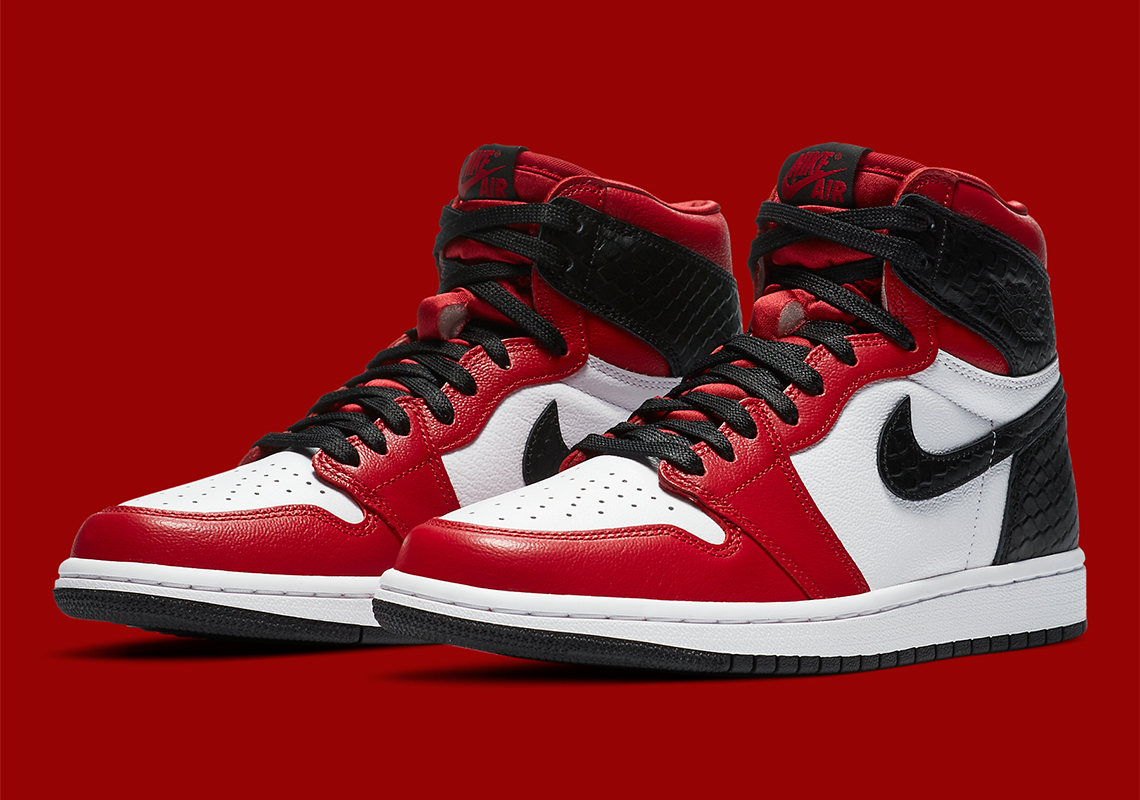
The Air Jordan 4 in red, black, and white—most famously recognized through the "Bred" and "Fire Red" iterations—didn't just launch as a basketball shoe in 1989; it anchored a cultural shift. Designed by Tinker Hatfield, this tri-color palette mirrored the fierce identity of the Chicago Bulls while introducing technical innovations like molded plastic wings and breathable mesh netting. It changed how athletic footwear intersected with everyday fashion, turning performance gear into a permanent staple of global street style.
Understanding why these specific shades remain dominant requires looking back at how Nike built the Jordan line during a critical transition period. The Air Jordan 3 had already saved the relationship between Michael Jordan and Nike, but the fourth model needed to prove that success wasn't a one-time fluke. By combining high-contrast primary blocking with radical structural updates, Hatfield created a silhouette that still dictates modern footwear design trends decades later.
The 1989 Blueprint: Design and Engineering
Tinker Hatfield approached the Air Jordan 4 with an architectural mindset, focusing on lightweight performance and functional ornamentation. In 1989, basketball shoes were generally heavy, high-top leather boots. Hatfield stripped away unnecessary weight by introducing synthetic materials and industrial mesh across the tongue and side panels to improve ventilation.
The most striking visual element of the red, black, and white colorways was the plastic support wings. Borrowing aesthetic cues from military aviation, these triangular lace tabs allowed players to customize their lockdown fit by threading the laces through multiple anchor points. Paired with the visible Air-Sole unit inherited from the previous model, the shoe offered a technical look that felt futuristic on the hardwood.
The color blocking served a distinct purpose. Black anchored the lower midsole and mudguards, providing a aggressive stance, while crisp white leather upper panels offered balance. Splashes of red acted as focal points, drawing the eye to the tongue branding and eyelets. This triad of colors wasn't chosen at random; it mirrored the uniform dynamics of the Chicago Bulls, ensuring that Michael Jordan stood out instantly under stadium lights.
Defining the Core Colorways
While various editions feature red, black, and white accents, two foundational releases defined this specific palette in 1989: the Black/Cement (widely known as the "Bred") and the Fire Red. Each brought a different personality to the court.
The "Bred" edition leaned heavily into dark tones, utilizing black nubuck or leather with cement grey and fiery red highlights. This was the shoe Michael Jordan wore during the 1989 Eastern Conference First Round, where he hit "The Shot" over Craig Ehlo. The dark color scheme gave the footwear an intimidating edge, matching Jordan's hyper-competitive on-court persona.
Conversely, the Fire Red variant favored a predominantly white leather upper, complemented by a black midsole and vibrant red accents. It felt cleaner, sharper, and louder from a distance. Together, these two color schemes established the blueprint for how secondary colors could completely alter the emotional resonance of an identical sneaker silhouette.
For deeper insights into the official heritage of these designs, you can explore the Nike History Archives.
Cultural Breakthrough and Pop Culture Integration
The Air Jordan 4 transcended sports because Nike engineered its release strategy differently than any previous model. It was the first Air Jordan to see a major international rollout, landing on shelves in Europe and Asia simultaneously. This global availability planted the seeds for international sneaker culture.
Pop culture cemented its legacy almost immediately. Director Spike Lee integrated the white and red iterations directly into his landmark 1989 film Do the Right Thing, specifically in a scene where a character has his pristine kicks scuffed on a Brooklyn street. This cinematic moment bridged the gap between professional sports and urban youth culture, transforming the sneaker from athletic equipment into a cultural artifact.
Musicians, skaters, and streetwear pioneers soon adopted the shoe. Because the proportions struck a rare balance—substantial enough to anchor baggy denim yet streamlined enough for shorts—it avoided the obsolescence that claimed most late-eighties athletic shoes.
Evolution Through Retros and Reimagined Editions
Over the decades, Nike brought back the red, black, and white colorways through various retro programs. However, sneaker technology and material sourcing evolved significantly since 1989. Early retros occasionally struggled to capture the exact shape of the original heel tab or the precise density of the side mesh.
The turning point for modern collectors arrived with modernized remakes, such as the Bred Reimagined release. Rather than relying strictly on traditional nubuck, Nike updated the upper construction while staying faithful to the original 1989 shape, Nike Air branding on the heel, and packaging details. These updates satisfied purists while offering modern durability for daily wear.
To check verified secondary market authentication standards and historical price movements, reference guides provided by platforms like GOAT Authentication offer clear benchmarks for collectors.
Common Mistakes When Collecting Vintage Pairs
If you're hunting for older retro releases or original 1989 pairs featuring these colors, structural decay is a major hazard. Polyurethane midsoles degrade through hydrolysis over time, meaning pairs that sat unworn in a closet for twenty years will often crumble upon their first step outside.
Another common error is ignoring interior tag details. Counterfeiters frequently replicate classic colorways, but they often miss the precise font spacing on the inner size tag or use inferior mesh materials that feel rigid rather than flexible. Always inspect the heel tab resistance and the alignment of the Jumpman or Nike Air logos before purchasing secondary-market footwear.
Frequently Asked Questions
Did Michael Jordan wear the red, black, and white colorway during the 1989 playoffs?
Yes. The Black/Cement (Bred) colorway was on his feet during Game 5 of the 1989 first-round series against the Cleveland Cavaliers when he hit the legendary buzzer-beater known simply as "The Shot".
What is the difference between the Bred and Fire Red colorways?
The Bred features a black upper accented with grey and red, while the Fire Red features a white leather upper balanced by a black midsole and bright red eyelets and branding.
How does the fit of the Air Jordan 4 compare to other models?
The Air Jordan 4 tends to have a snug fit around the midfoot due to the structural plastic wings. Many wearers with wider feet choose to go up a half size to prevent pinching along the pinky toe.
Why do older pairs of Jordan 4s crumble?
The midsoles are constructed from polyurethane, a material that naturally breaks down when exposed to moisture over long periods through a chemical process called hydrolysis. Restored or recently retroed pairs use updated compounds to prevent this issue.