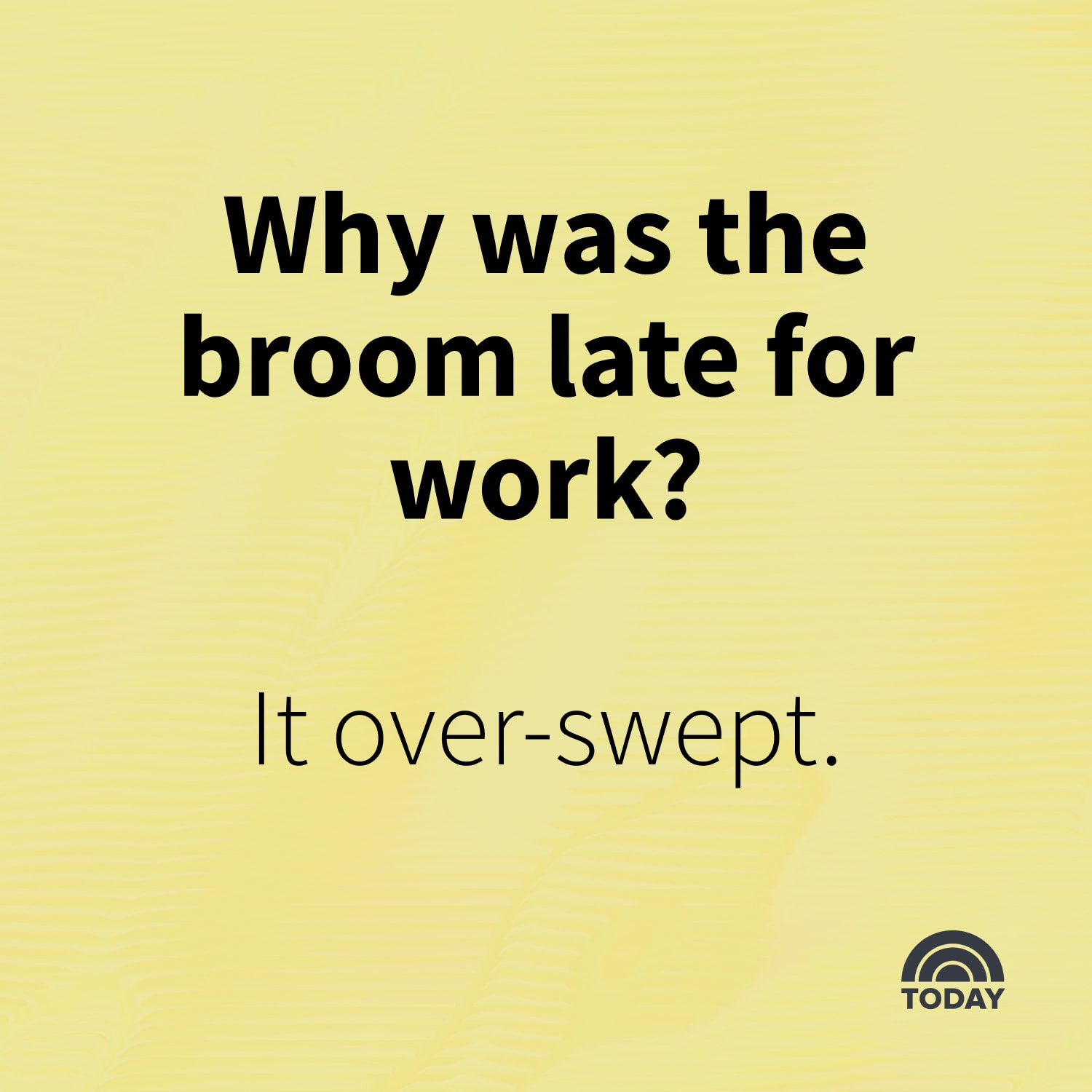
Laughter during recovery from major joint procedures isn't just a coping mechanism; it's a physiological catalyst. When you navigate the stiff joints, limited mobility, and frustrating physical therapy sessions following a medical operation, finding humor in the absurdities of daily immobility changes the recovery trajectory. Patients often discover that sharing a witty remark about their assistive devices or walking with a peculiar gait relieves stress and accelerates physical healing.
Medical research increasingly supports the connection between mirth and physical rehabilitation. Chuckling releases endorphins, reduces cortisol levels, and temporarily relieves minor discomfort, creating a more relaxed physical state that makes physical therapy exercises more manageable. When you trade tension for levity, your body responds with decreased muscle tightness and a more positive mindset, which directly influences your rehabilitation success.
Understanding the Physical and Emotional Toll of Joint Reconstruction
Joint reconstruction is a major medical intervention that alters your daily routine. From learning how to get in and out of bed without breaking hip precautions to managing medications, the initial weeks require immense patience. Many individuals experience unexpected mood dips due to restricted independence and sleep disruption caused by discomfort.
Recognizing these emotional hurdles is the first step toward overcoming them. When you expect perfection from your healing timeline, frustration mounts. Accepting that you'll have good days and difficult days reduces anxiety. Humor acts as a pressure valve, releasing the pent-up frustration of dropped items you cannot reach and the constant reliance on grabbers and raised toilet seats.
The Science of Humor in Healing
Mirth triggers positive biochemical changes throughout the body. When you laugh, your vascular system expands, increasing blood flow and oxygen delivery to healing tissues. This physiological response supports immune function and lowers overall physical stress.
How Levity Aids Rehabilitation
- Endorphin Release: Natural pain-relieving chemicals surge through your system when you find genuine amusement in everyday recovery mishaps.
- Muscle Relaxation: A hearty chuckle forces abdominal and skeletal muscles to contract and subsequently relax, easing post-surgical stiffness.
- Stress Reduction: Lowering stress hormones prevents chronic inflammation, allowing your surgical site to mend more efficiently.
For detailed guidelines on post-operative care and rehabilitation milestones, consult the American Academy of Orthopaedic Surgeons.
Common Post-Surgical Absurdities Worth Mocking
Every patient who has undergone joint repair shares a unique set of universally awkward experiences. Embracing these moments lightens the heavy atmosphere of recovery.
The Assortment of Assistive Gadgets
Your home suddenly resembles a medical supply warehouse. You have long-handled shoehorns, sock aids, grabbers, and wedge pillows. Tripping over your own walker while trying to retrieve a dropped remote control is frustrating in the moment, but it makes for a fantastic story later. Mocking the sheer number of plastic gadgets designed to help you put on trousers brings much-needed perspective to a tedious morning routine.
The Penguin Walk and Pacing
The initial weeks feature a deliberate, cautious gait designed to protect your new joint. Comparing your movement to a penguin, a robot, or a weary pirate adds levity to the hallway laps your physical therapist demands. When you own the awkwardness, the self-consciousness of using a cane or walker diminishes entirely.
Practical Strategies for Maintaining Positivity
Staying upbeat requires intentional effort when you feel tired and sore. Incorporating lightheartedness into your daily routine helps maintain emotional balance.
- Curate a Comedy Playlist: Gather your favorite stand-up routines, humorous podcasts, or lighthearted films to watch during rest periods.
- Connect with Fellow Patients: Join support groups where members share funny anecdotes about their rehabilitation milestones and gadget mishaps.
- Keep a Recovery Journal: Document the absurdity of your daily routine with a humorous perspective, turning minor annoyances into entertaining anecdotes.
For official health insights and recovery statistics, you can review data from the National Institutes of Health.
Frequently Asked Questions
Can laughing physically damage my surgical incision?
While a vigorous, belly-deep chuckle might cause a fleeting pulling sensation around your incision site during the first few days, it won't damage the internal structural repairs. Support your abdomen or hip with a small pillow if deep chuckles cause discomfort initially.
How soon after the procedure can I resume light physical activities?
Always follow the specific protocol provided by your orthopedic surgeon and physical therapist. Most individuals begin gentle in-home exercises within days of the procedure, gradually increasing activity based on individual healing rates.
Is it normal to feel emotional lows during recovery?
Yes. Temporary mood fluctuations are common due to disrupted sleep patterns, reduced mobility, and the residual effects of anesthesia and pain management medications. Acknowledging these feelings without judgment helps you navigate them effectively.
How can family members best support a recovering patient?
Caregivers can assist by maintaining a patient, lighthearted environment, helping with daily household tasks, and encouraging adherence to physical therapy goals without adding undue pressure.



