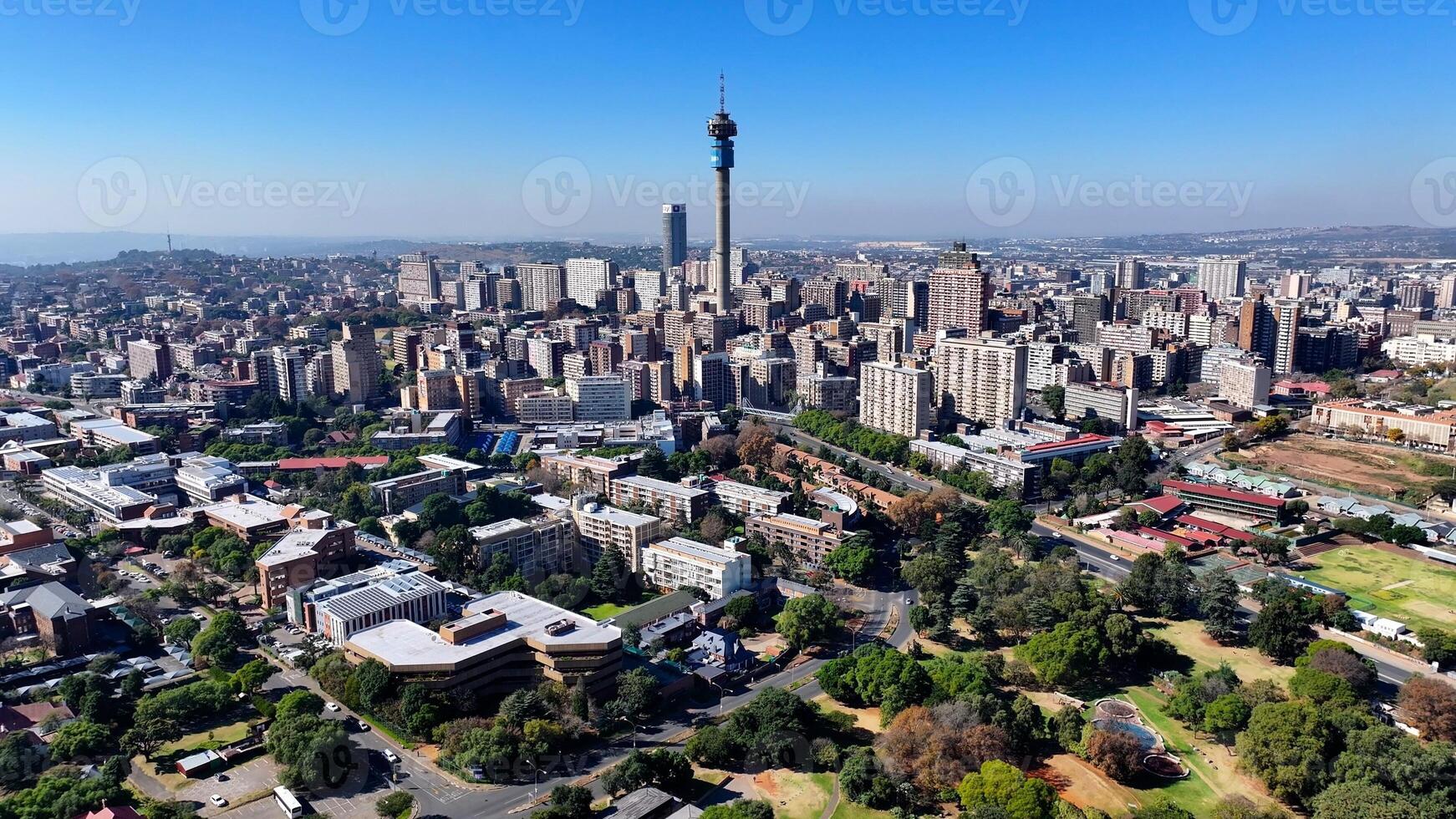
Johannesburg remains the economic engine of South Africa, yet its urban resilience is tested by profound structural hurdles, fiscal stress, and stark spatial divides. While northern corporate nodes like Sandton continue to generate substantial economic activity, the metropolitan area faces severe pressure from high unemployment, infrastructure maintenance backlogs, and uneven service delivery. Understanding this urban core requires looking past broad regional generalizations to examine the actual conditions shaping business, municipal governance, and daily livelihoods.
The concept of urban resilience in Johannesburg isn't just about bouncing back from economic shocks; it's about structural adaptation. The city generates a significant portion of national gross value added (GVA), anchored by finance, insurance, real estate, and business services. At the same time, manufacturing has receded over recent decades, while informal economic activity and service sectors absorb millions of workers. Navigating this environment demands a clear view of how municipal strategies, infrastructure investments, and local business operations interact under heavy pressure.
Economic Structure and Spatial Divide
The economic geography of Johannesburg is famously fractured. Wealth and high-value corporate investment cluster heavily in northern nodes, while townships, informal settlements, and the inner city experience persistent disinvestment. This spatial inequality affects labor market access, as many workers spend hours and significant portions of their income commuting from peripheral residential areas to core business zones.
- Core Financial Hubs: Areas like Sandton, Rosebank, and Midrand sustain formal corporate headquarters, information technology firms, and professional services.
- Peripheral Hardship: Townships such as Soweto, Alexandra, and Orange Farm rely heavily on informal retail, small-scale enterprises, and social grants, with limited formal industrial job creation.
- Infrastructure Pressures: Aging water pipes, electrical grid constraints, and irregular waste management directly disrupt small businesses and commercial productivity across multiple suburbs.
Real GVA per capita has stagnated since the late 2000s, meaning economic output hasn't kept pace with population growth. Businesses operating in the metro must contend with these structural frictions, designing contingency plans for municipal service interruptions while targeting consumers facing high cost-of-living pressures.
Labor Market Realities and Unemployment
Job creation is the single biggest determinant of urban stability in the region. Official unemployment rates hover well above 35%, with youth unemployment pushing past 45%. These figures reflect a mismatch between the skills demanded by modern financial and technological sectors and the educational outcomes available to many young residents.
[Formal Sector vs. Informal Economy]
├── Formal Corporate: Finance, ICT, Professional Services (High value, concentrated in northern nodes)
└── Informal Livelihoods: Retail, Spaza shops, Transport (Absorbs bulk of working-age population without formal contracts)
The informal economy acts as a crucial shock absorber. Millions of residents sustain livelihoods through micro-enterprises, street trading, and independent transport operations. However, informal traders frequently face regulatory hurdles, lack of secure trading spaces, and limited access to formal credit or business development support.
Municipal Governance and Fiscal Stress
Urban resilience depends heavily on municipal capacity. The City of Johannesburg faces acute fiscal strain, characterized by low revenue collection efficiency, massive outstanding consumer debt, and cash reserves falling below treasury thresholds. Non-revenue water losses—driven by leaks and illegal connections—and frequent electricity grid failures add immense operational costs for local businesses.
To counter these pressures, municipal authorities have advanced turnaround frameworks centered on financial stabilization, inner-city rejuvenation, and strategic investments like the Lanseria Smart City project. However, bridging the gap between long-term strategic plans and immediate service delivery remains a central friction point for residents and investors alike.
- Revenue Challenges: High levels of unpaid municipal bills weaken the city's ability to fund capital infrastructure projects.
- Public-Private Collaboration: Partnerships are increasingly necessary to maintain public spaces, manage waste collection, and secure localized infrastructure upgrades.
- Decentralized Power: Businesses are heavily investing in solar energy and backup generators to insulate themselves from municipal power outages, altering commercial overhead costs.
Pathways for Sustainable Urban Growth
Building genuine resilience in South Africa's largest metropolis requires more than temporary fixes. Policymakers, private investors, and community leaders focus on specific structural shifts to secure long-term viability.
- Streamline Regulatory Appro aprobación for SMMEs: Reduce bureaucratic red tape for small and medium enterprises trying to formalize operations.
- Upgrade Public Transit Networks: Integrate minibus taxi networks with formal bus rapid transit systems to lower commuting costs and travel times for peripheral workers.
- Decentralize Essential Services: Invest in neighborhood-level water purification, micro-grids, and localized waste recycling hubs to reduce strain on centralized infrastructure.
- Targeted Skills Development: Align vocational training programs directly with active hiring needs in the ICT, green energy, and logistics sectors.
For a broader perspective on municipal governance reforms and national economic alignment, review the South African Government online portal or consult regional analysis from the Development Bank of Southern Africa.
Frequently Asked Questions
What are the main economic drivers of Johannesburg?
Johannesburg's economy is anchored by finance, insurance, real estate, and business services, alongside expanding information and communications technology (ICT) sectors and a vast informal commercial network.
Why is unemployment so high in the metropolitan area?
Joblessness stems from structural shifts away from heavy manufacturing, a mismatch between available worker skills and corporate requirements, and an economic growth rate that has failed to keep pace with demographic expansion.
How are local businesses coping with municipal service failures?
Many commercial enterprises and industrial operators invest heavily in alternative power sources like solar panels, private security, and backup water storage to maintain operational continuity despite municipal infrastructure unreliability.
What role do informal businesses play in the local economy?
Informal enterprises—ranging from spaza shops to independent transport providers—provide livelihoods for a massive share of the urban population and act as a vital safety net against poverty.