In 2016, an Oklahoma businessman named Joe Tippens received a devastating diagnosis: stage 4 small-cell lung cancer that had spread throughout his body. Doctors gave him months to live, offering little hope beyond palliative care. Today, Tippens remains cancer-free and runs a widely followed blog detailing how he beat the odds using an unconventional regimen centered on fenbendazole, a common canine dewormer. His story sparked a global movement, drawing millions of views and dividing opinion between desperate patients seeking alternatives and oncologists urging caution.
This breakdown examines the origins of the Joe Tippens protocol, the science of how benzimidazoles interact with cancer cells, the exact components of his daily stack, and the critical safety boundaries patients must consider.
Understanding the Joe Tippens Protocol
The core of what online communities now call the Joe Tippens protocol involves a specific combination of an over-the-counter veterinary medication and three everyday dietary supplements. Tippens didn't design this regimen in a lab; he built it after a conversation with a veterinarian who pointed him toward preclinical trials involving mice and shared cancer cell mechanics.
The original regimen consists of four core elements:
- Fenbendazole: Taken as an oral anthelmintic, typically using a canine brand like Panacur C. The standard dosage pattern is 222 mg per day for three consecutive days, followed by four days off.
- Bioavailable Curcumin: Taken daily at roughly 600 mg to target inflammation and support cellular health pathways.
- Cannabidiol (CBD) Oil: Taken daily at 25 mg under the tongue to assist with immune function and symptom management.
- Vitamin E: Specifically a full-spectrum tocotrienol and tocopherol mix (such as Gamma E) taken daily at 400 to 800 mg.
Tippens consumed these items concurrently while undergoing a separate clinical trial for a different conventional drug. Within months of starting the combination, subsequent scans showed a complete clearance of his tumors.
The Science Behind Fenbendazole
To understand why a dewormer caught the attention of cancer patients, we have to look at cellular biology. Fenbendazole belongs to a class of medications called benzimidazoles, which disrupt microscopic cellular structures called microtubules.
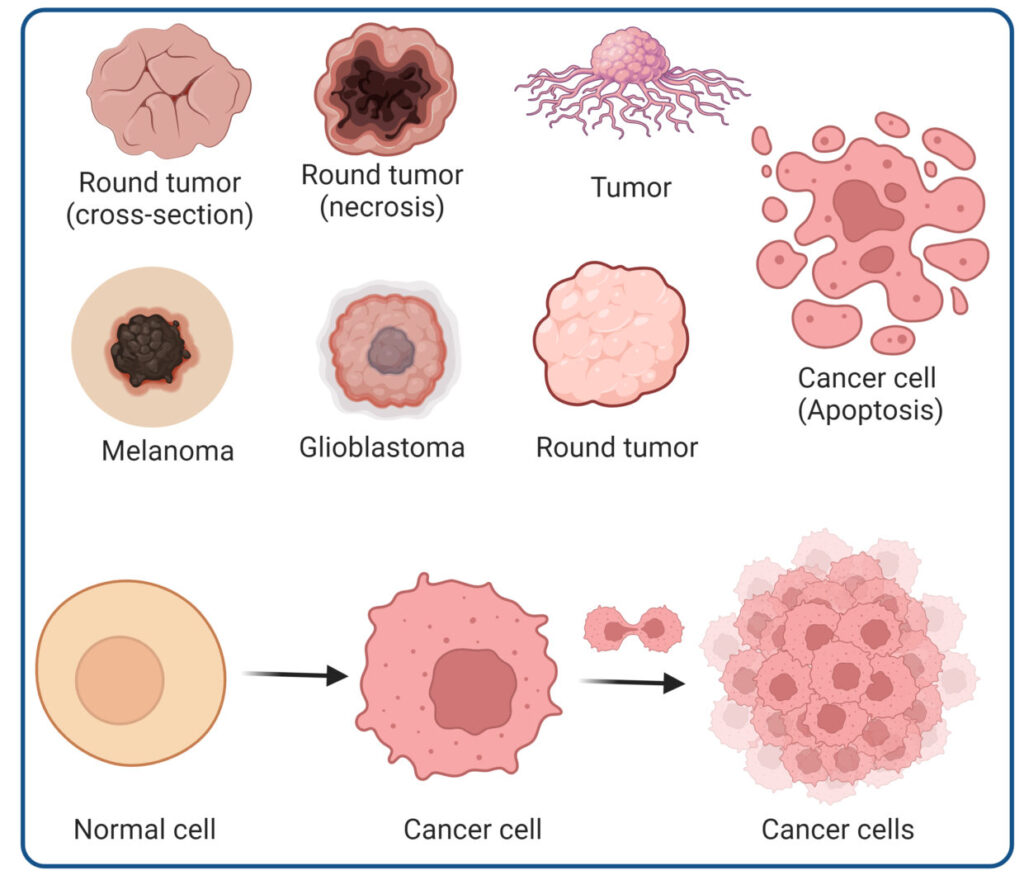
Microtubules act as the internal scaffolding of a cell, providing structural shape, managing intracellular transport, and playing a vital role during cellular division. Because cancer cells divide rapidly and uncontrollably, they depend heavily on high-turnover microtubule activity.
Laboratory studies indicate that fenbendazole can interfere with these microtubules in malignant cells, while also disrupting glucose uptake (starving the cancer cells of their preferred energy source) and prompting cellular self-destruction pathways. Because parasites and fast-growing tumor cells share certain metabolic vulnerabilities, researchers have spent years investigating whether anti-parasitic drugs can be repurposed safely for oncology.
However, laboratory success in Petri dishes or murine models does not automatically translate to human cures. Mice metabolize drugs differently than humans do, and oncologists emphasize that robust randomized human clinical trials remain scarce for fenbendazole specifically.
Common Mistakes and Real-World Risks
The viral nature of the Joe Tippens story has led many individuals to attempt the regimen without medical supervision. This approach introduces several distinct hazards:
- Treating Supplements as a Substitute: Abandoning conventional therapies like chemotherapy, radiation, or immunotherapy in favor of an unproven protocol often leads to rapid disease progression.
- Ignoring Liver Function: High-dose or long-term antiparasitic use can stress the liver. Without routine blood panels to monitor liver enzymes (such as ALT and AST), patients risk hidden organ damage.
- Source Quality Issues: Using agricultural or industrial-grade chemicals meant for livestock rather than pharmaceutical-grade compounds introduces dangerous impurities and incorrect dosing concentrations.
- Drug-Drug Interactions: Taking unregulated supplements alongside active oncology treatments can create unforeseen metabolic clashes or alter how the body processes prescription chemotherapy.
Frequently Asked Questions
Is fenbendazole FDA-approved to treat human cancer?
No. Fenbendazole is approved exclusively for veterinary use to treat parasites in dogs, cats, livestock, and other animals. Regulatory bodies have not evaluated or cleared it for oncology applications in humans.
Why do people use Panacur C instead of a human prescription drug?
Panacur C is an over-the-counter dog dewormer containing fenbendazole. Because doctors typically will not prescribe veterinary medications for off-label cancer treatment, patients seeking to replicate Tippens' exact routine turn to pet supply formulations. Alternative human-grade benzimidazoles like mebendazole have more extensive human safety data, but fenbendazole remains tied to the specific Tippens narrative.
Can I take the Joe Tippens protocol alongside chemotherapy?
Some patients attempt to layer the protocol with active oncology treatments, but doing so without informing your care team is dangerous. Always consult a qualified medical oncologist before introducing new supplements or repurposed drugs to ensure they don't interfere with your primary treatment plan.
Are there side effects associated with fenbendazole?
While many users report mild or negligible side effects, others experience gastrointestinal distress, nausea, fatigue, and temporary elevations in liver enzymes. Regular blood testing is essential to catch adverse reactions early.



