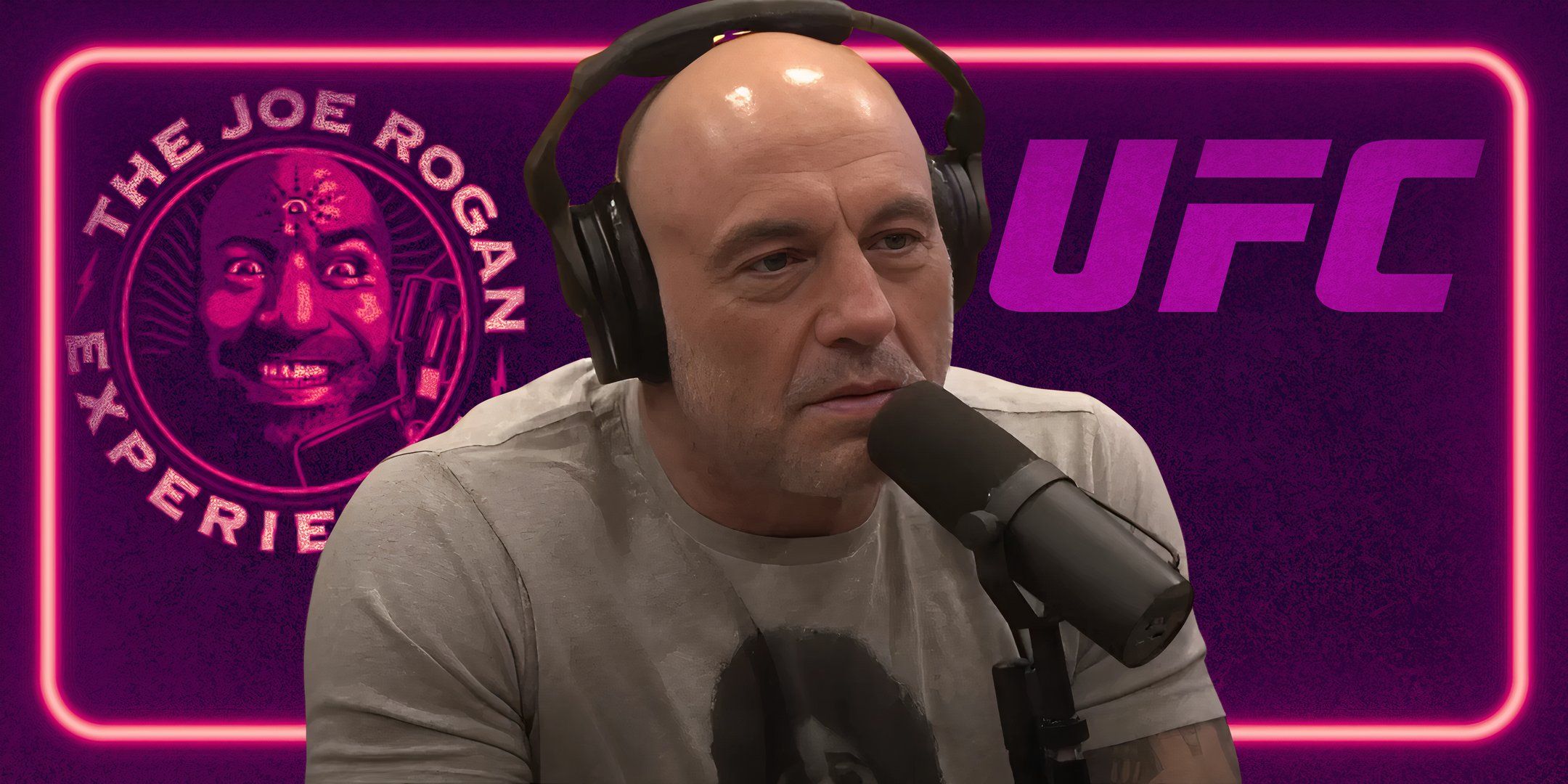
When internet curiosity collides with celebrity privacy, strange digital artifacts emerge. Articles often bundle unrelated concepts like Joe Rogan's family life, scientific inquiry, and existential philosophy into a single vague keyword target. In reality, public fascination with Joe Rogan's inner circle stems from a broader cultural hunger for authenticity. People aren't just searching for trivia about his wife, Jessica Ditzel; they're trying to decode the worldview of a media figure who commands millions of listeners daily.
Understanding how personal privacy shapes public discourse requires looking past clickbait summaries. Let's unpack the intersection of family boundaries, alternative scientific frameworks, and why modern audiences crave deeper human connection.
The Reality of Privacy in the Rogan Household
Celebrity spouses typically court the spotlight, but Jessica Ditzel has chosen a decidedly different path. Married to Rogan since 2009, she maintains a low profile, rarely appearing in media coverage or podcast episodes. This deliberate distance creates a vacuum that low-quality SEO content often tries to fill with speculation about beliefs, values, and lifestyle choices.
The contrast between Rogan's hyper-exposed public persona and his family's privacy highlights a modern boundary management strategy. Public figures often find that shielding their partners from digital scrutiny preserves a semblance of normalcy. When automated content mills attempt to link a private individual to broad philosophical debates on science and consciousness, they usually miss the mark entirely.
Science, Skepticism, and Alternative Beliefs
The discourse surrounding science on modern media platforms often oscillates between rigid materialism and unverified mysticism. Rogan's long-form interview format regularly features guests who challenge mainstream scientific consensus, spanning fields from evolutionary anthropology to parapsychology and fringe physics.
- Materialist limits: Mainstream science excels at mapping physical mechanics, yet struggles to quantify subjective human experiences like consciousness or intuition.
- The appetite for anomalies: Guests discussing altered states, ancient histories, or unconventional health practices tap into an audience eager to question institutional narratives.
- The danger of echo chambers: Without rigorous empirical filters, speculative theories can easily masquerade as established fact, confusing curious listeners.
This tension explains why discussions on the podcast frequently spark cultural debates. Listeners aren't just looking for dry data points; they want a framework for understanding anomalies that traditional institutions often dismiss.
The Modern Crisis of Human Connection
Beneath the debates over beliefs and scientific data lies a more fundamental theme: isolation. Modern digital infrastructure connects billions of people globally while leaving individuals increasingly lonely. Long-form conversations succeed because they simulate genuine, unfiltered dialogue—something missing from heavily edited mainstream media.
When hosts and guests spend hours discussing philosophy, fear, mortality, and relationships, it resonates with listeners searching for meaning. People tune in not for algorithmic perfection, but for raw, unscripted human interaction.
Common Misconceptions About Podcast Culture
- Assuming performance equals reality: Listeners often mistake conversational exploration for hard ideological stances, forgetting that thinking out loud is an exploratory process.
- Confusing personal privacy with secrecy: Choosing not to broadcast family life is a boundary, not a conspiracy.
- Treating long-form dialogue as a manifesto: Three-hour interviews capture fluid thoughts, not static policy platforms.
Frequently Asked Questions
Who is Jessica Ditzel?
Jessica Ditzel is a former model and media producer who married Joe Rogan in 2009. The couple shares children and maintains a strict boundary between their private family life and Rogan's public career.
Why are listeners drawn to alternative scientific theories on podcasts?
Long-form media platforms give niche researchers and unconventional thinkers hours to explain complex or controversial ideas, offering an alternative to the soundbite-driven consensus of traditional news networks.
How do public figures protect their families from internet culture?
Many public personalities limit media appearances, avoid discussing relatives on air, and maintain residences away from major entertainment hubs to preserve daily privacy.
What drives the modern obsession with existential meaning in media?
As digital connectivity increases, traditional community structures decline, prompting individuals to seek philosophical and existential frameworks through alternative media, podcasts, and online communities.


