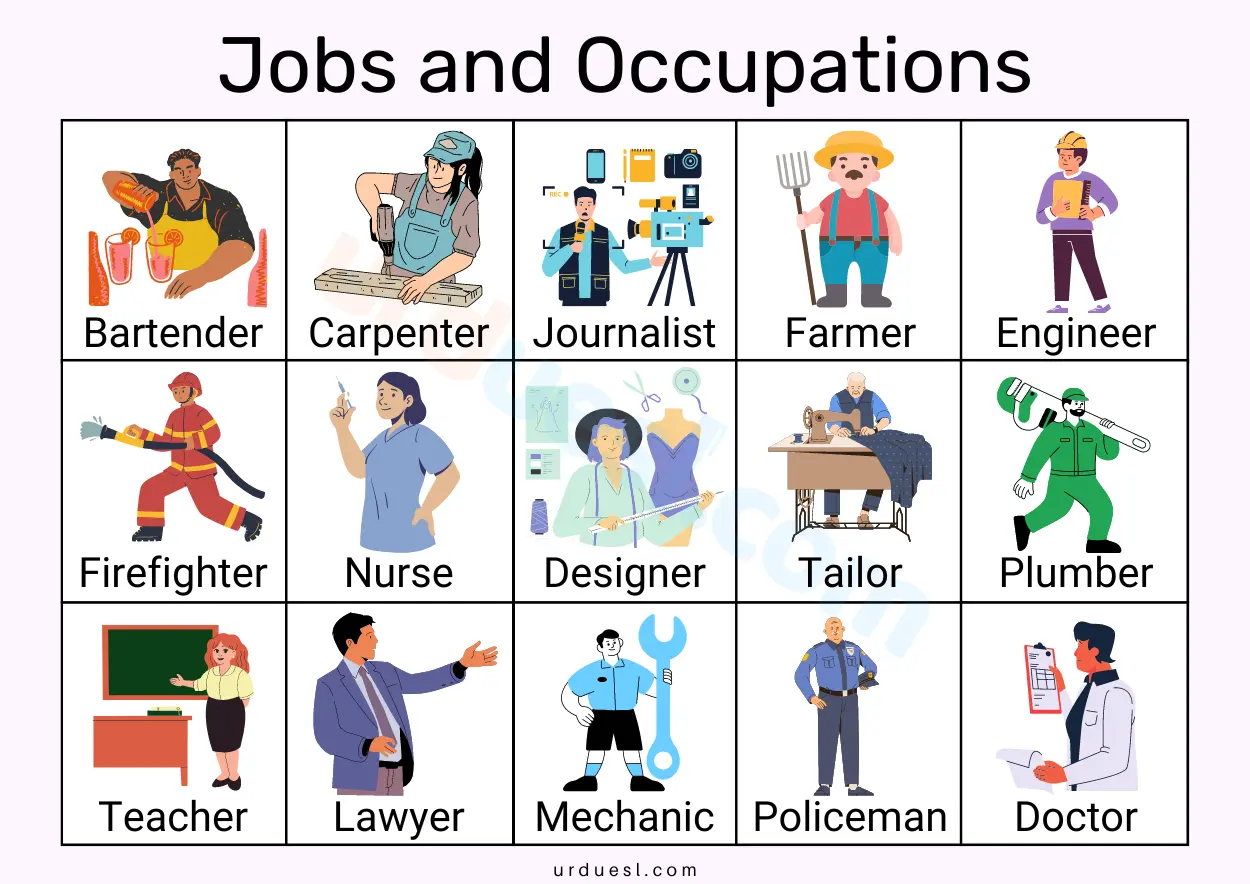
Navigating the local economy in Chicago's northern lakefront requires knowing where major employers cluster and which sectors drive daily hiring. If you're looking for jobs in Edgewater Chicago, you'll find a dynamic market anchored heavily by healthcare networks, senior living facilities, education, and local retail corridors along Broadway and Clark Street. Unlike the intense corporate competition downtown, Edgewater offers a community-centric professional ecosystem with accessible transit connections via the CTA Red Line.
Finding steady work here means looking beyond generic job boards and understanding the neighborhood's specific economic makeup. From specialized medical centers to bustling local businesses, this guide breaks down top employment sectors, commuting logistics, networking strategies, and practical answers for professionals targeting the Edgewater area.
The Economic Landscape of Edgewater
Edgewater stands as Chicago's northernmost lakefront community area, positioned roughly seven miles from the Loop. Its economic stability relies on a mix of institutional anchors, small businesses, and proximity to major medical hubs just outside its immediate borders.
Healthcare and senior care represent the largest share of neighborhood employment. Large residential retirement facilities, such as the Breakers at Edgewater Beach, anchor local service and administrative hiring. Additionally, proximity to major medical campuses like Northwestern Medicine and Edgewater's local clinics provides steady clinical and administrative openings.
Retail, hospitality, and education also fuel local employment. The neighborhood features active commercial strips along Broadway, Devon Avenue, and Sheridan Road, creating consistent demand for retail management, customer service, and food service professionals. Furthermore, educational institutions and local non-profits provide a strong framework for educators, social workers, and administrative staff.
Top Employment Sectors in the Neighborhood
Targeting specific industries helps narrow your search. Several core sectors dominate the local job market:
- Healthcare and Wellness: Ranging from physical therapy clinics and specialized practices to residential care facilities, health services offer reliable full-time and part-time positions. Roles span from registered nurses and wellness managers to administrative support.
- Senior Living and Hospitality: Large-scale residential properties require ongoing staffing for property management, maintenance coordination, guest services, and culinary operations.
- Education and Non-Profits: Local community centers, private academies, and advocacy groups offer roles for program coordinators, educators, and social service case managers.
- Small Business and Retail: Independent storefronts and service providers along major commercial corridors frequently hire for retail associates, sales management, and operational leads.
Commuting and Accessibility for Professionals
One of Edgewater's primary advantages for career professionals is its transit infrastructure. If your job sits outside the neighborhood—such as in the Loop or River North—commuting is straightforward.
The CTA Red Line runs directly through Edgewater, with stations at Bryn Mawr, Berwyn, Thorndale, and Granville. Express bus routes like the 147 and 156 provide direct lakefront transit straight into downtown Chicago. For drivers, Lake Shore Drive runs along the eastern border of the neighborhood, though rush-hour traffic requires careful timing. Many local workers also rely on biking, utilizing protected lakefront paths that stretch southward toward the city center.
Strategies for Landing Local Work
Securing a position in a tight-knit neighborhood market requires a targeted approach. Standard online applications work, but local networking often yields faster results.
- Engage the Local Chamber: The Edgewater Chamber of Commerce maintains active business directories and hosts networking events where local employers connect directly with prospective talent.
- Target Institutional Portals: Instead of relying solely on aggregate job boards, bookmark the career pages of major local employers like regional health networks and large residential properties to catch direct postings early.
- Leverage Proximity: Walk the commercial districts along Broadway and Clark Street. Many independent businesses still prefer traditional in-person inquiries or post openings directly on storefront windows and local community boards.
Common Pitfalls to Avoid
Job seekers unfamiliar with the neighborhood often make avoidable mistakes during their search.
Don't assume all opportunities are located within neighborhood boundaries. Because Edgewater is primarily residential, many residents commute to nearby Uptown, Rogers Park, or downtown Chicago. Broaden your search radius slightly if you're struggling to find specialized tech or corporate roles locally.
Another common error is ignoring seasonal shifts in hospitality and retail hiring. Lakefront neighborhoods experience heightened activity during spring and summer, leading to surges in hospitality openings that require early applications during winter months.
Frequently Asked Questions
What types of jobs are most common in Edgewater?
Healthcare services, senior residential care, hospitality, retail management, and education represent the highest volume of local employment opportunities within the neighborhood boundaries.
Is it easy to commute from Edgewater to downtown Chicago?
Yes. The CTA Red Line provides rapid transit to downtown, typically taking between 20 to 30 minutes depending on your exact starting point. Express bus routes and Lake Shore Drive offer alternative commuting methods.
Are remote work opportunities common for Edgewater residents?
Many professionals living in Edgewater work remotely for tech firms, financial institutions, or national corporations based anywhere in the country, taking advantage of the neighborhood's vibrant residential community and coffee shop culture.
How can I network with local Edgewater business owners?
Attending events hosted by the Edgewater Chamber of Commerce or participating in community association meetings provides direct access to local business leaders and hiring managers.



