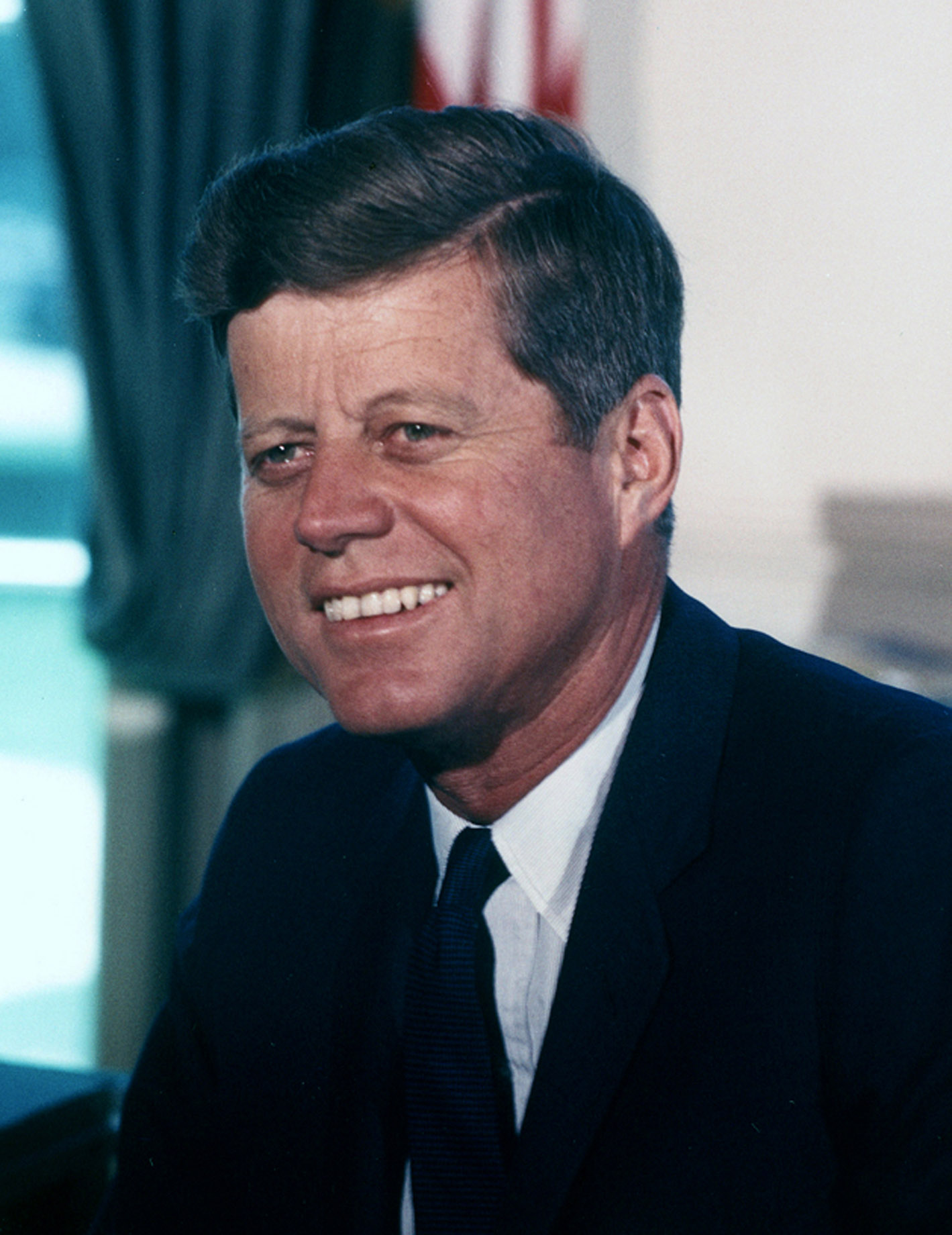
The intersection of Hollywood glamour and Washington power during the early 1960s created a breeding ground for whispered gossip, secret liaisons, and enduring myths. Among the most frequently discussed alleged relationships from this era is the reported connection between President John F. Kennedy and iconic actress Angie Dickinson. Decades after Kennedy's presidency and the height of Dickinson's film career, biographers, tabloid historians, and pop culture commentators continue to dissect the exact nature of their bond.
While sensationalized accounts often paint a picture of a deep romance, the documented historical record points to a more nuanced reality. Dickinson actively campaigned for Kennedy during his 1960 presidential run, working events across several states, but she has consistently maintained a cautious, guarded stance regarding personal allegations. To understand how their paths crossed, what contemporary biographers have claimed, and how public perception has evolved, we have to look past the tabloid headlines and examine the actual historical context.
The Intersection of Politics and Cinema in 1960
The cultural landscape of the United States shifted dramatically when John F. Kennedy took office. Hollywood and Washington became deeply intertwined, largely due to Kennedy's charm, his social circle, and figures like Frank Sinatra, who served as an informal cultural ambassador for the administration. Angie Dickinson, having broken through with major film roles such as her acclaimed performance in Howard Hawks's 1959 Western Rio Bravo, found herself moving within these exact elite circles.
Biographers note that Dickinson met Kennedy prior to the 1960 Democratic National Convention at a gathering hosted by Kennedy's sister, Pat Lawford, in Santa Monica. Captivated by his charisma, Dickinson participated in grassroots campaigning, lending star power to events in states like Utah, Idaho, and Indiana. In an era when Hollywood stars frequently aligned with political candidates, her public support was standard for a prominent Democrat, but it also placed her directly under the watchful eye of the Washington press corps and future biographers looking for juicy narratives.
Unpacking the Allegations and Biographers' Claims
As years passed, various tell-all books and presidential biographies introduced claims about clandestine meetings between the president and the actress. Authors such as Christopher Andersen in Jack and Jackie: Portrait of an American Marriage and other researchers of executive branch history have alleged that Dickinson was among the women who crossed paths with Kennedy privately. Some sensationalized accounts even placed Dickinson at high-profile social events during pivotal political moments, including inaugural weekends.
However, separating documented fact from post-facto rumor is challenging. Dickinson herself has repeatedly sidestepped direct confirmation of a romantic affair when interviewed by journalists over the decades. In various remarks, she acknowledged her admiration for Kennedy and her active participation on the campaign trail, yet she consistently refused to feed into explicit tabloid narratives, often maintaining a level of discretion that contrasted sharply with the tell-all culture of later decades.
Frank Sinatra and the Rat Pack Dynamic
It is impossible to discuss Angie Dickinson's romantic life during the early 1960s without examining her primary connection to the Rat Pack: Frank Sinatra. Dickinson co-starred with Sinatra in the original 1960 heist film Ocean's 11, playing his on-screen wife. Their professional relationship evolved into a complex, lifelong bond, with Dickinson later describing Sinatra as one of the most significant figures in her life.
Sinatra's close ties to John F. Kennedy are well-documented history, serving as the primary bridge connecting Hollywood's elite actors with the inner circle of the White House. Because Sinatra frequently hosted events and moved fluidly between Palm Springs, Las Vegas, and Washington, friends and associates within his orbit frequently crossed paths with the president. This shared social ecosystem fueled many of the romantic rumors of the era, as anyone moving within Sinatra's inner circle was automatically subjected to speculation regarding presidential affairs.
Why the Myth Persists in Popular Culture
The fascination with JFK and Angie Dickinson speaks to a broader cultural obsession with the Kennedy administration. The juxtaposition of Camelot's polished public facade with the private realities of high-stakes politics creates an enduring narrative hook. Readers are naturally drawn to stories that contrast public prestige with private complexity.
Furthermore, Hollywood history from the studio era carries a distinct mythology. Actresses like Dickinson, who combined sharp intellect, fierce independence, and classic glamour, defy simple categorization. When biographers link them to political figures of the same era, it creates a dramatic narrative that persists long after the primary sources have passed away. Modern content creators often recycle these unverified claims because they tap into timeless themes of power, secrecy, and celebrity allure.
Frequently Asked Questions
Did Angie Dickinson ever publicly confirm an affair with JFK?
No. While biographers and tabloid historians have frequently alleged a relationship, Dickinson has consistently declined to confirm any romantic involvement, choosing instead to focus on her professional admiration for him and her work on his 1960 campaign.
How did Angie Dickinson and John F. Kennedy first meet?
They were introduced prior to the 1960 Democratic National Convention at a gathering in Santa Monica hosted by Kennedy's sister, Patricia Lawford.
What was Angie Dickinson's relationship with Frank Sinatra?
Dickinson maintained a decades-long relationship with Frank Sinatra, whom she met professionally while filming Ocean's 11 in 1960. She later described him as a central figure in her personal life during that era.
What role did Angie Dickinson play in the 1960 election?
She actively campaigned for John F. Kennedy, traveling and making appearances on his behalf across several western and midwestern states as part of Hollywood's broader mobilization for the Democratic ticket.



