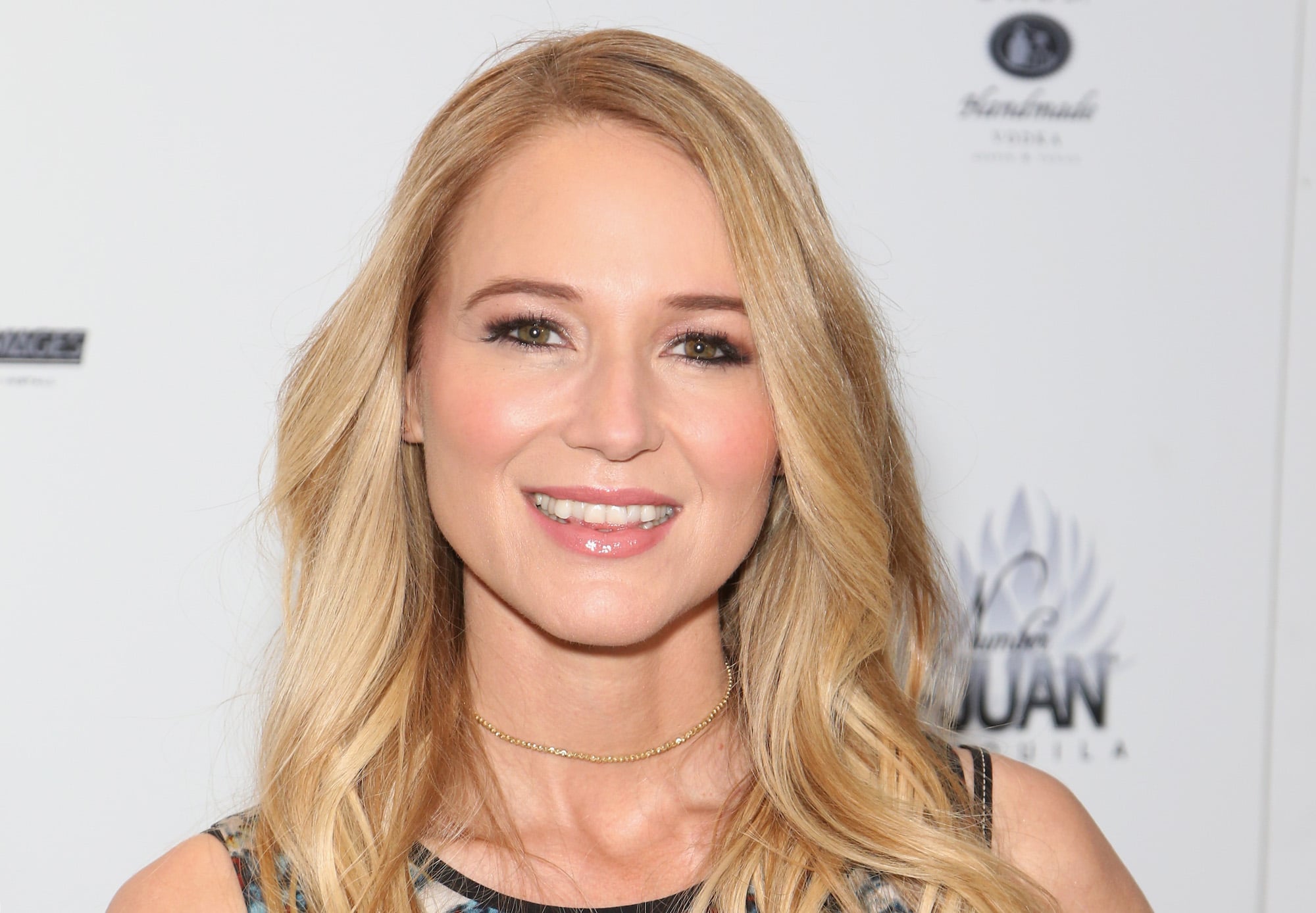
When Jewel Kilcher burst onto the global music scene in the mid-1990s, listeners pegged her as a quintessential folk-pop troubadour armed with an acoustic guitar and raw vulnerability. Yet her artistic footprint extends far beyond acoustic ballads. Across a career spanning three decades, she has navigated the intersection of studio recordings, poetry, independent publishing, and narrative film acting. Examining her dual journey reveals an artist who refused to let industry categorization box her in.
Search intent for queries surrounding Jewel's crossover appeal points to fans and researchers seeking a comprehensive view of how a Grammy-nominated singer translates emotional songwriting into cinematic performance. While typical profiles skim the surface of her discography and filmography, a deeper examination uncovers her creative methodology, her distinct vocal technique, and how she shaped her multi-medium identity.
Early Roots and the Breakout Era
Born Jewel Kilcher in Ahwahnee, California, and raised in Alaska, her early musical education was rigorous. She yodeled and sang alongside her father in tourist taverns across Alaska, building a formidable vocal register before she was a teenager. When she moved to San Diego as a young adult, she experienced a period of homelessness while playing coffeehouse gigs that eventually caught the attention of Atlantic Records.
Her 1995 debut album, Pieces of You, became one of the best-selling debut albums of all time, eventually going platinum twelve times. Songs like "Who Will Save Your Soul" and "You Were Meant for Me" relied on unpolished instrumentation and confessional poetry. This stripped-down approach resonated because it felt entirely divorced from the glossy pop manufacturing of the era.
- Vocal Training: Her training in folk traditions allowed her to shift effortlessly between a delicate, breathy register and powerful vocal runs.
- Lyrical Style: Rather than writing standard pop hooks, she treated songs like diary entries, incorporating observations from her time living out of a car.
- Commercial Defiance: She resisted immediate pressure to record a slick follow-up, instead releasing Spirit in 1998, which leaned further into acoustic introspection and spoken-word poetry.
Transitioning Into Film and Television
As her music career stabilized, Jewel expanded into acting, seeking projects that mirrored the narrative depth of her songwriting. Her feature film debut arrived in Ang Lee's 1999 Civil War drama Ride with the Devil, where she played Sue Lee Shelley, a courageous young woman on the Missouri frontier.
Critics praised her ability to bring quiet gravity to the role without relying on pop star affectations. She didn't treat acting as a side hobby; she immersed herself in dialect training and historical research to inhabit a period piece set in the 1860s.
"Acting isn't about playing someone else," Jewel noted in interviews around the film's release. "It's about finding the sliver of truth inside yourself that matches the character's desperation."
Following Ride with the Devil, she took on television roles and made cameo appearances, but her most enduring cinematic contributions remained tied to how her music functioned within visual storytelling. Directors frequently licensed her tracks to anchor emotional turning points in independent films and television dramas, recognizing that her voice carried an inherent narrative weight.
The Intersection of Music and Narrative
What does it mean for an artist to operate at the crossroads of music and film? For Jewel, songs have always functioned as mini-screenplays. Tracks from albums like Goodbye Alice in Wonderland (2006) and Sweet and Wild (2010) present fully realized characters dealing with displacement, ambition, and identity.
In her songwriting sessions, she often visualizes scenes before writing chords. This cinematic discipline explains why her music videos and live concert films carry a distinct theatricality. She views an album as a sequence of scenes rather than a random collection of radio singles.
- Character-Driven Lyrics: Songs tell specific stories about distinct individuals rather than relying on abstract romantic clichés.
- Visual Album Concepts: Long before visual albums became standard practice in pop, she structured her tours around narrative themes, pairing music with stage lighting and spoken interludes.
- Genre Fluidity: She shifted seamlessly from acoustic folk to dance-pop (0304) and back to country roots (Sweet and Wild), proving that an artist's core identity survives stylistic pivots.
Advocacy and Creative Independence
Beyond her output in recording studios and on screen, Jewel built a reputation as an independent entrepreneur. After fulfilling her initial major-label contract, she took control of her master recordings and self-released subsequent projects. This independence allowed her to fund mental health initiatives and creative workshops for at-risk youth through her organization, the Inspiring Children Foundation.
Her advocacy work centers on emotional intelligence and mindfulness—topics she frequently addresses in public speaking engagements. By treating mental health as a foundational requirement for sustainable artistry, she helped shift industry conversations long before wellness became a mainstream corporate buzzword.
Frequently Asked Questions
What was Jewel's first major film role?
She made her feature film debut as Sue Lee Shelley in Ang Lee's 1999 Civil War drama Ride with the Devil, starring alongside Tobey Maguire and Skeet Ulrich.
How many albums has Jewel released?
She has released over a dozen studio albums, beginning with Pieces of You in 1995 and spanning folk, pop, country, and children's music genres.
Did Jewel write books in addition to music?
Yes, she is a published author. She released a poetry collection titled A Night Without Armor in 1998, which became a New York Times bestseller, followed by her memoir Never Broken: Songs Only the Half-Busted Can Sing in 2015.
How does she support emerging artists today?
Through her work with the Inspiring Children Foundation and various mentorship programs, she provides resources and mental health training to young musicians navigating the entertainment industry.
For more on her current projects and literary work, you can visit her official site at Jewel Official Website. To explore her historical filmography, check out IMDb's Jewel Profile.



