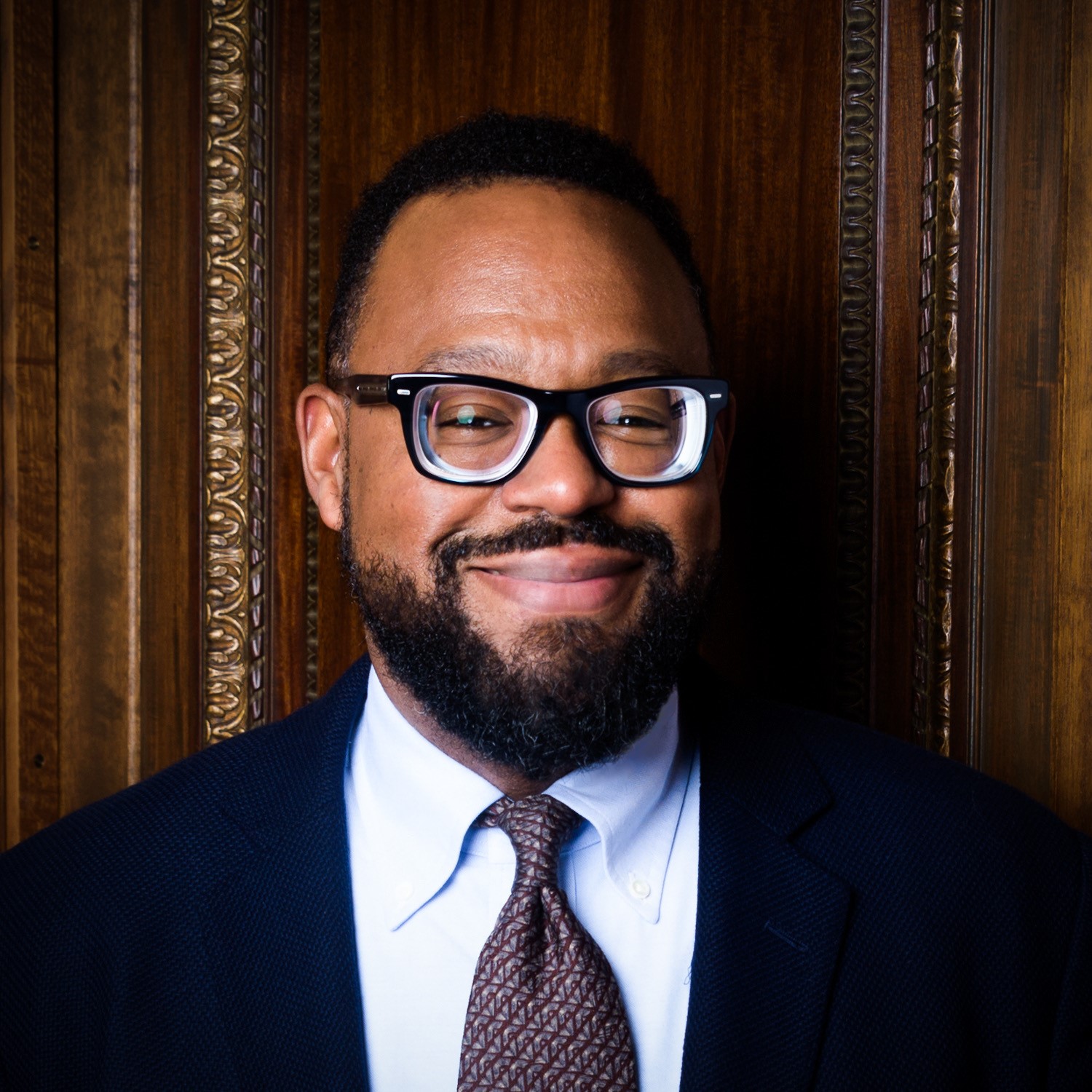
When tracking cultural impact across law, entertainment, and civil rights, the Williams family name surfaces through distinct yet deeply connected paths. Understanding how legal acumen intersects with high-profile media representation requires looking closely at figures like corporate attorney and media executive Reggie Williams alongside actor, director, and activist Jesse Williams. Both demonstrate how rigorous foundations in education and law translate into powerful platforms for community empowerment and systemic change.
Examining these trajectories reveals clear lessons on how modern leaders navigate elite institutions without losing touch with grassroots advocacy. Whether it's structuring complex entertainment deals or using television and theater to spotlight civil rights, the work associated with the Williams name highlights the friction and triumph of modern multidisciplinary careers.
Foundations in Law and Institutional Rigor
Long before shaping public media narratives, rigorous academic training provided the tools needed to navigate corporate and entertainment spheres. Reggie Williams built an extensive legal career starting as a corporate attorney at Paul Hastings before pivoting into high-level entertainment law and executive media roles, including leadership positions at Viacom and digital ventures. Earning degrees from elite institutions like Harvard offered a masterclass in how institutional power operates, giving legal strategists the leverage required to negotiate complex agreements for major artists and networks.
This background underscores a critical reality of the entertainment industry: creative execution relies entirely on structural protection. Legal training offers more than just courtroom defense; it provides a blueprint for ownership, intellectual property preservation, and financial sustainability. For professionals entering media today, mastering the legal framework remains the single most effective way to secure long-term creative autonomy. To understand the complete picture, check out the excellent analysis by The New York Times.
From Classroom Teaching to Screen Advocacy
On the creative and activist side, Jesse Williams—son of teacher Reginald Williams—began his professional life in education. Before landing breakout television roles like Dr. Jackson Avery on Grey's Anatomy, he spent six years teaching American Studies, African Studies, and English in Philadelphia public schools. That grounding in pedagogy deeply informed his subsequent transition into mainstream film, television, and Broadway.
Classroom experience shapes how public figures address structural inequality. When artists retain a background in education, their advocacy avoids superficial soundbites. Instead, it grounds itself in historical context and practical mentorship. This educational foundation explains why public speeches and documentary projects—such as executive producing the Academy Award-winning short film Two Distant Strangers—resonate with clear intellectual rigor rather than fleeting celebrity activism.
Redefining Community Through Media and Production
Modern influence requires controlling means of production, not just performing within them. Through production banners like farWord Inc., multidisciplinary creators challenge traditional studio pipelines by centering marginalized narratives. This operational shift moves away from begging for representation toward building self-sustaining ecosystems.
Consider how theater and digital platforms amplify community voices. When Jesse Williams starred in the Broadway revival of Take Me Out—earning a Tony Award nomination—the project blended high-art performance with incisive examinations of identity, masculinity, and institutional pressure. Similarly, corporate executives who understand distribution law can structure independent projects to bypass traditional gatekeepers, protecting creators from predatory contracts.
Common Mistakes in Media Advocacy
Many public figures attempt to bridge entertainment and social justice without adequate structural preparation, leading to common missteps:
- Relying on performative gestures: Issuing statements without backing institutional or financial resources rarely creates lasting community change.
- Ignoring legal structures: Launching creative or community initiatives without robust corporate and intellectual property planning leaves projects vulnerable to exploitation.
- Disconnecting from grassroots roots: Advocating for systemic reform while isolated from local, community-level organizers strips public messaging of authenticity and local trust.
Avoiding these errors requires combining sharp legal awareness with genuine community accountability. True impact happens when high-level strategy meets boots-on-the-ground commitment.
Frequently Asked Questions
What is the connection between Reginald Williams and Jesse Williams?
Reginald Williams is Jesse Williams's father. A career history teacher, he heavily influenced Jesse's early path into education before Jesse transitioned into acting, directing, and activism.
How does legal strategy influence the modern entertainment industry?
Legal training allows creators and executives to secure intellectual property rights, negotiate equitable compensation, and build independent production companies that protect artists from exploitative studio terms.
Why is an education background valuable for media advocates?
Classroom teaching builds communication skills, patience, and a deep understanding of historical and social frameworks, ensuring that public advocacy is grounded in education rather than superficial trends.
What role do independent production companies play in community representation?
Independent production houses give creators direct control over storytelling, hiring practices, and distribution, ensuring that diverse perspectives reach audiences without dilution by traditional corporate gatekeepers.



