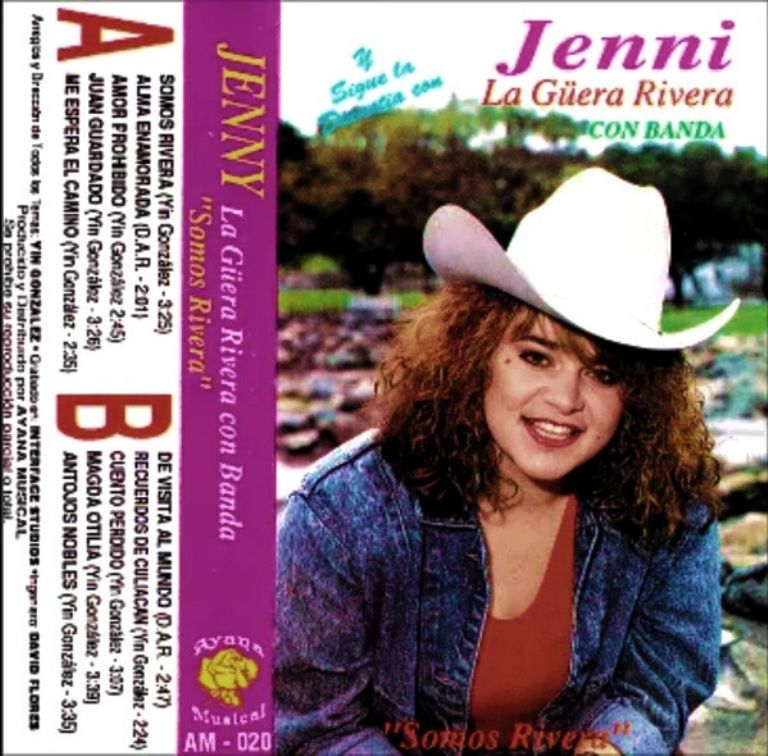
Jenni Rivera built a towering career by turning personal heartbreak into raw, unapologetic regional Mexican anthems. Known globally as La Diva de la Banda, her life was scrutinized by the public just as intensely as her chart-topping albums. When her final chapter unfolded in late 2012, it was clouded by high-profile marital friction with her third husband, Esteban Loaiza, and painful personal rumors that shadowed her final months. Understanding the truth behind that final chapter requires looking past tabloid headlines to examine the real timeline, the legal separation, and the enduring musical legacy she left behind.
The final years of Rivera's life brought massive commercial success alongside profound personal stress. As she coached on La Voz... México, expanded her business ventures, and starred in reality television, her marriage to former Major League Baseball pitcher Esteban Loaiza began to unravel. The union, celebrated with great fanfare in 2010, hit an insurmountable wall by late 2012, culminating in a sudden divorce filing just months before her tragic death in a plane crash.
The Rise and Fracture of the Marriage with Esteban Loaiza
Jenni Rivera and Esteban Loaiza crossed paths during a period when both were prominent figures in their respective fields. Loaiza enjoyed a successful career as a pitcher in Major League Baseball, while Rivera reigned as the undisputed queen of banda and corrido music. Their 2010 wedding felt like a union of two distinct worlds—sports and high-stakes Latin entertainment.
Behind closed doors, the relationship faced mounting pressures. Friends and family noted the difficulties of blending two demanding public careers, compounded by mounting personal suspicions. In October 2012, Rivera officially filed for divorce from Loaiza. Because Loaiza did not formally respond to the legal filings, the divorce proceedings remained pending when Rivera died on December 9, 2012, in a plane crash near Monterrey, Mexico.
Untangling the Allegations and Family Estrangement
The dissolution of Rivera's third marriage was heavily tied to intense private rumors that leaked into the public eye. Speculation swirled regarding the reasons for the abrupt split, including unverified whispers about infidelity and betrayal within her inner circle.
Most painful for Rivera was an alleged estrangement from her eldest daughter, Janney "Chiquis" Marin. Tabloids and rumors suggested a rift caused by unverified claims involving Loaiza. Chiquis later spoke publicly to clarify that she and her mother had not spoken in the final two months of Rivera's life due to a severe misunderstanding, leaving a permanent emotional wound. Rivera's sudden passing meant these deep familial tensions were never fully resolved in person, casting a heavy shadow over her final chapter.
Factoring in the Past: Rivera's Relationship History
To understand the weight Rivera carried during her final marriage, it helps to contextualize her romantic history. Her personal life was famously turbulent, often fueling the emotional depth of her lyrics:
- First Marriage (José Trinidad Marín): Beginning as a teenage mother, Rivera married Marín in 1984. The marriage ended in divorce amid domestic abuse, and Marín was later convicted of sexual assault against family members, sentencing him to decades in prison.
- Second Marriage (Juan López): Rivera married López in 1997. They shared two children before divorcing in 2003 following discoveries of infidelity. López later passed away in prison after a conviction related to drug trafficking.
- Third Marriage (Esteban Loaiza): Marrying in 2010, this relationship offered initial stability before ending in the 2012 divorce filing and the tragic accident that claimed her life.
Each relationship tested her resilience, transforming her into an icon of survival and female empowerment within a traditionally male-dominated musical genre.
The Permanent Impact of Her Musical Legacy
While tabloid coverage often fixated on her marriages, Rivera's true legacy rests on her groundbreaking contributions to music and culture. She sold millions of records worldwide, breaking barriers as a female artist who sang raw, unfiltered narcocorridos and contemporary banda. She sang about heartbreak, domestic struggles, and female agency with a fearlessness that resonated deeply with working-class fans.
Following her death, releases like the posthumous album La Misma Gran Señora and her best-selling autobiography Unbreakable/Inquebrantable cemented her status as a cultural icon. Her family also established foundations and support networks, such as the Jenni Rivera Love Foundation, ensuring her advocacy for abused women continued long after her passing.
Frequently Asked Questions
Was Jenni Rivera's divorce from Esteban Loaiza finalized before she died?
No. Rivera filed for divorce in October 2012, but because Loaiza did not contest or respond to the legal filings, the divorce was still pending when Rivera died in December 2012.
What caused the estrangement between Jenni Rivera and her daughter Chiquis?
The mother-daughter relationship suffered a painful rift in the final two months of Rivera's life due to unverified rumors and misunderstandings regarding her marriage to Loaiza. Chiquis has stated that they never had the chance to clear the air before the fatal accident.
How many albums did Jenni Rivera sell during her career?
Rivera sold an estimated 20 million records globally, making her one of the most commercially successful and influential female artists in regional Mexican music history.
Where can I read more about her official life story?
You can explore her verified history, awards, and foundational work directly through the Official Jenni Rivera Site or review her archived career milestones via Billboard.



