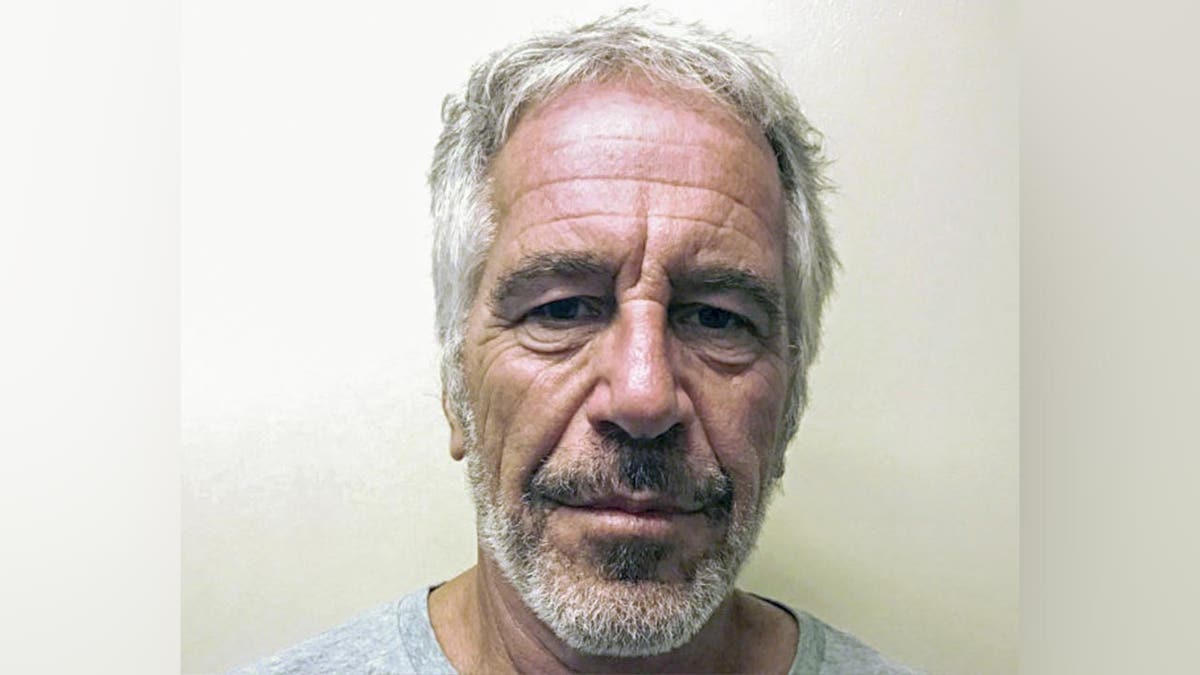
The exposure of Jeffrey Epstein’s financial network and criminal enterprise revealed institutional failures across law enforcement, finance, and global politics. Long before federal indictments forced public scrutiny, a vast circle of high-profile associates, facilitators, and financial enablers insulated a multi-state operation. Understanding how this network functioned requires looking past surface-level headlines to examine the systemic vulnerabilities that allowed decades of abuse to persist unchecked.
The Financial Architecture and Early Inquiries
Jeffrey Epstein cultivated an image as a self-made billionaire financier, yet the exact origins of his wealth remained opaque for decades. Managing money for high-net-worth individuals—most notably retail billionaire Leslie Wexner—gave Epstein unprecedented liquidity and independence from traditional banking oversight. This financial autonomy allowed him to acquire expansive properties in Palm Beach, Manhattan, New Mexico, and the U.S. Virgin Islands without standard corporate scrutiny.
Initial local investigations in Palm Beach during 2005 exposed a pattern of predatory behavior targeting minors. Local detectives uncovered detailed logs of appointments, cash payments, and a structured recruitment system where victims were incentivized to bring peers into the network. Despite compelling evidence compiled by local law enforcement, federal prosecutors in Florida finalized a controversial non-prosecution agreement in 2007. This agreement shielded unnamed co-conspirators from federal scrutiny and allowed Epstein to plead to minor state charges, effectively delaying broader accountability for over a decade.
The Role of Associates and Enablers
An enterprise of this scale relied heavily on a trusted inner circle to manage logistics, travel, and daily operations. Ghislaine Maxwell acted as a central administrator within the network, managing residences and coordinating schedules for visitors across multiple jurisdictions. Court depositions and subsequent criminal trials detailed how administrative staff and fixers helped maintain the illusion of legitimacy while facilitating access to vulnerable individuals.
The social and professional orbit surrounding Epstein included prominent political figures, academics, scientists, and business leaders. While many associates claimed ignorance of criminal activity, investigative reports and unsealed court documents demonstrated that proximity to Epstein’s wealth often outweighed ethical considerations. Access to private aviation, philanthropic funding, and high-level networking events created a climate of complicity where powerful institutions failed to ask basic verification questions.
Legal Reckoning and Document Disclosures
Public pressure and investigative journalism forced a re-examination of the 2007 federal deal, culminating in Epstein’s re-arrest in July 2019 by federal authorities in New York. Indictments charged him with sex trafficking of minors and conspiracy, exposing systemic failures in how institutional watchdogs handle allegations against wealthy defendants. Following Epstein's death in federal custody in August 2019, subsequent trials—including the 2021 conviction of Ghislaine Maxwell—provided judicial validation for survivor testimonies.
Subsequent transparency legislation mandated the release of millions of pages of investigative files, flight logs, and deposition transcripts. These releases shifted public focus from individual wrongdoing to systemic accountability, prompting international human rights bodies to demand independent reviews of how institutional oversight failed victims.
Frequently Asked Questions
What was the Epstein Files Transparency Act?
Passed in late 2025, this legislation mandated the systematic declassification and public release of Department of Justice investigative records, court exhibits, and law enforcement files related to the Epstein investigation.
How did Epstein maintain his financial independence?
Epstein operated as a private wealth manager primarily serving a small number of ultra-wealthy clients, most notably Leslie Wexner. This boutique structure bypassed the regulatory transparency required by public financial institutions.
What legal consequences did associates face?
Aside from Ghislaine Maxwell’s federal conviction and 20-year sentence, numerous institutions, universities, and non-profits faced reputational fallout, leading to the resignations of board members, corporate executives, and academic leaders who maintained financial or social ties with Epstein after his initial 2008 conviction.
How have victim advocacy standards changed?
Post-investigation reviews highlighted severe protocol errors in how sensitive records were handled. Modern legal frameworks increasingly emphasize victim-centered disclosure procedures to protect survivor privacy and prevent secondary trauma during public investigations.



